Moons

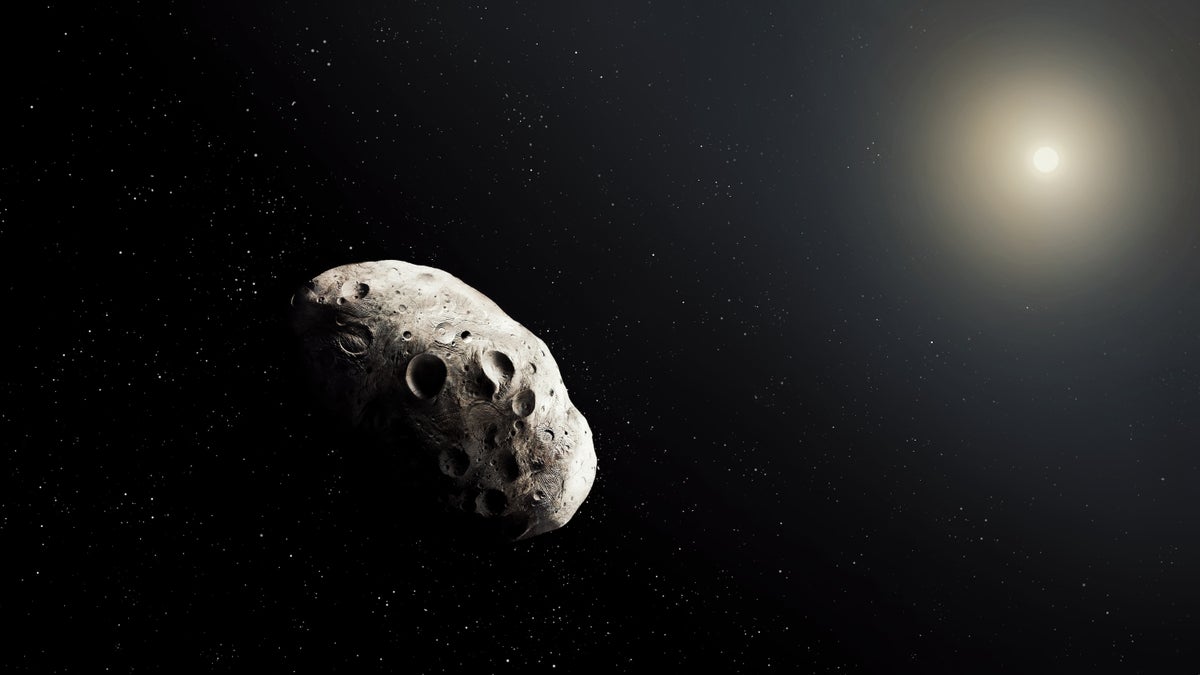
A subsatellite, also known as a submoon, or moonmoon, or a schmoon, is a "moon of a moon" or a hypothetical natural satellite that orbits the moon of a planet.It is inferred from the empirical study of natural satellites in the Solar System that subsatellites may be rare, albeit possible, elements of planetary systems.
Read more in the app

Trans-Neptunian Object Quaoar Has Two Moons, New Study Suggests

Trans-Neptunian Object Quaoar Has Two Moons, New Study Suggests

There is increasing evidence for subterranean oceans on moons and even dwarf planets in our solar system. “Ocean worlds appear to be ubiquitous. The vast abundance of liquid water hidden beneath the ice on these moons could be the largest volume of habitable real estate in our solar system.”

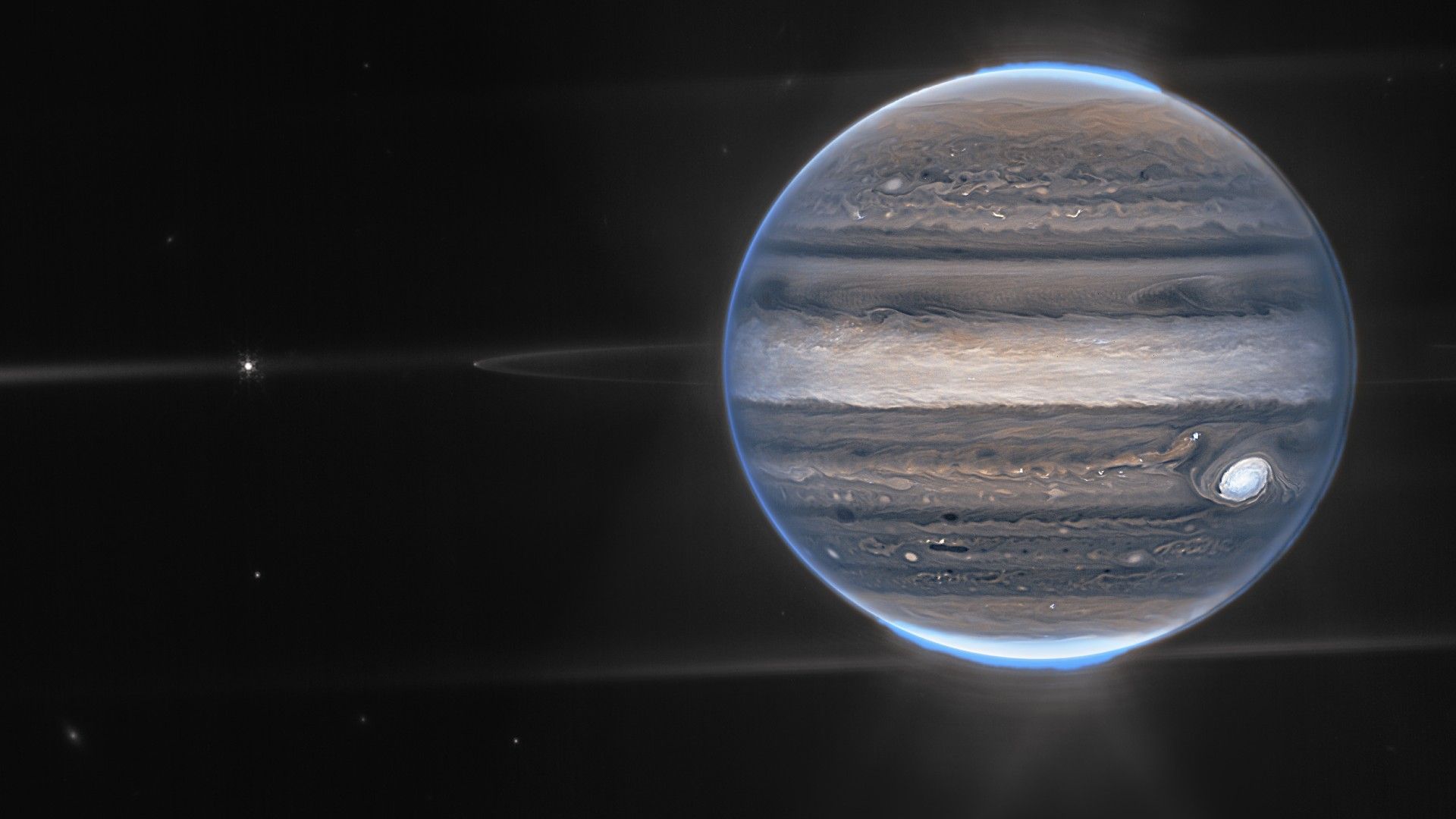
See 2 of Jupiter's moons cast vast shadows over the planet early on Nov. 5

Astrophysicists say there’s ‘at least six other quasi-moons’ like 2025 PN7 in loose orbit around Earth

More Evidence Emerges That One of Saturn’s Moons Could Harbor Life

How Many Moons Does Jupiter Really Have? Inside the Constantly Changing Moon Count

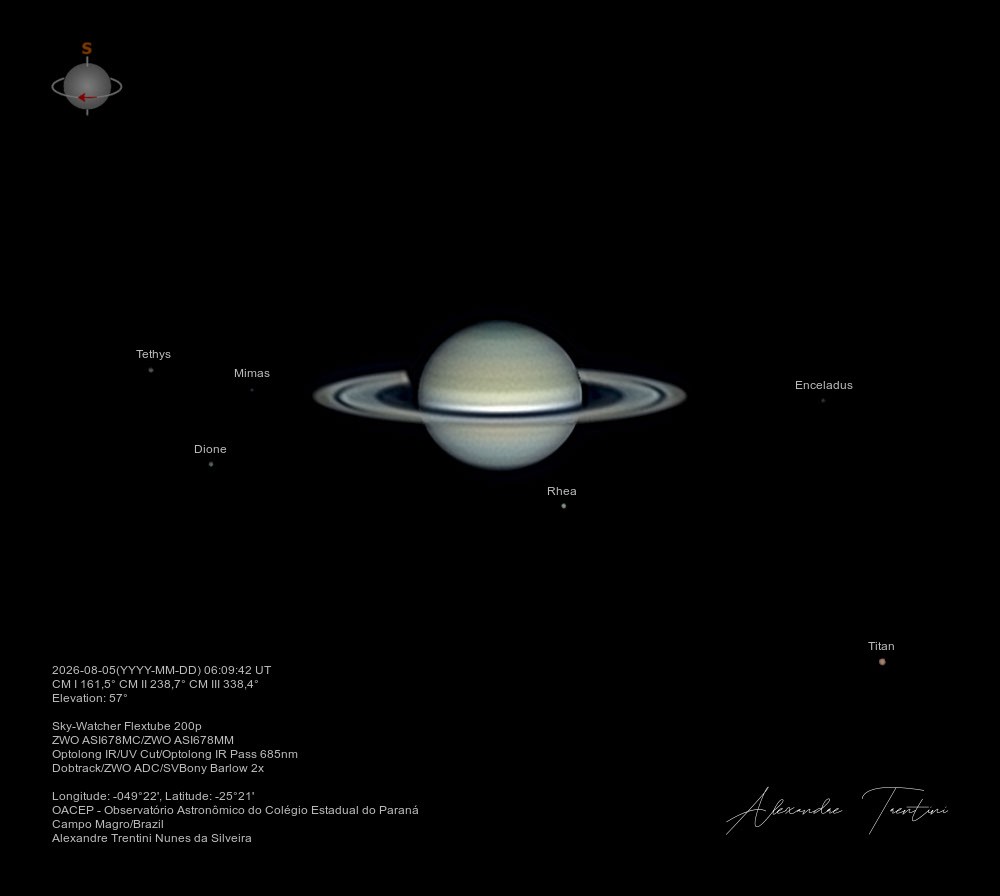
Catching the October Action With Jupiter’s Moons

NASA’s Webb telescope gets a never-before-seen look at how moons could form on exoplanets

Prospect of life on Saturn’s moons rises after discovery of organic substances | Scientists studying water vapor plume from Enceladus find presence of complex molecules that could harbor life

Pluto's dwarf planet partner Charon may have spilled its guts to create 2 of the pair's moons

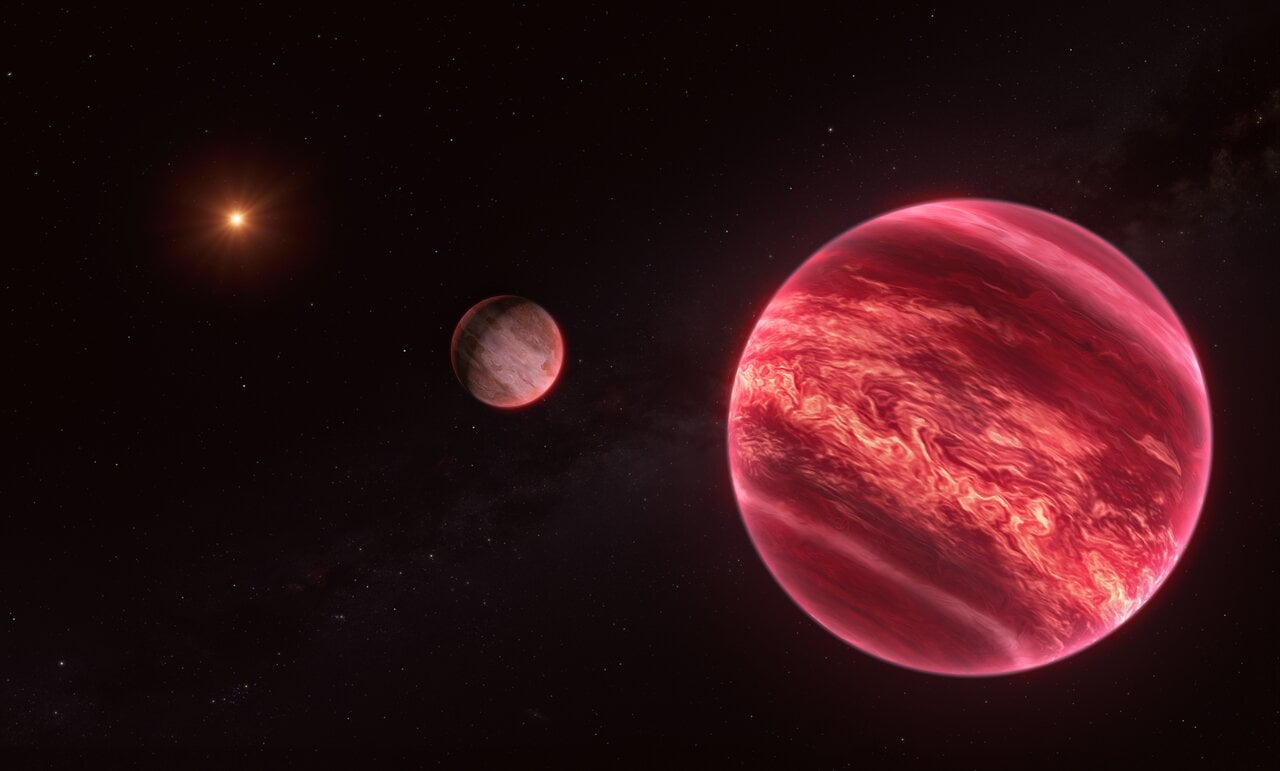
Rogue Planets Floating in Space Appear to Be Forming Their Own Moons

JWST Reveals Four Distinct CO₂ Types on Saturn’s Moons

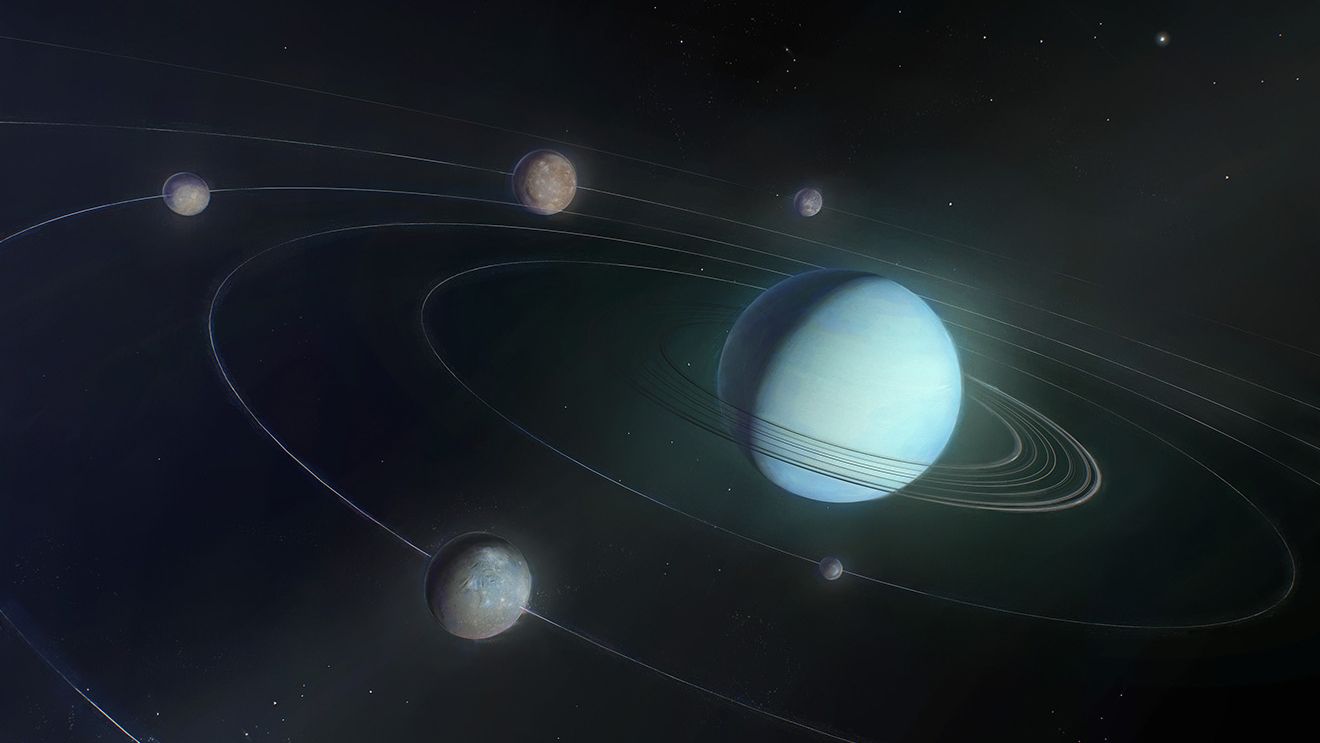
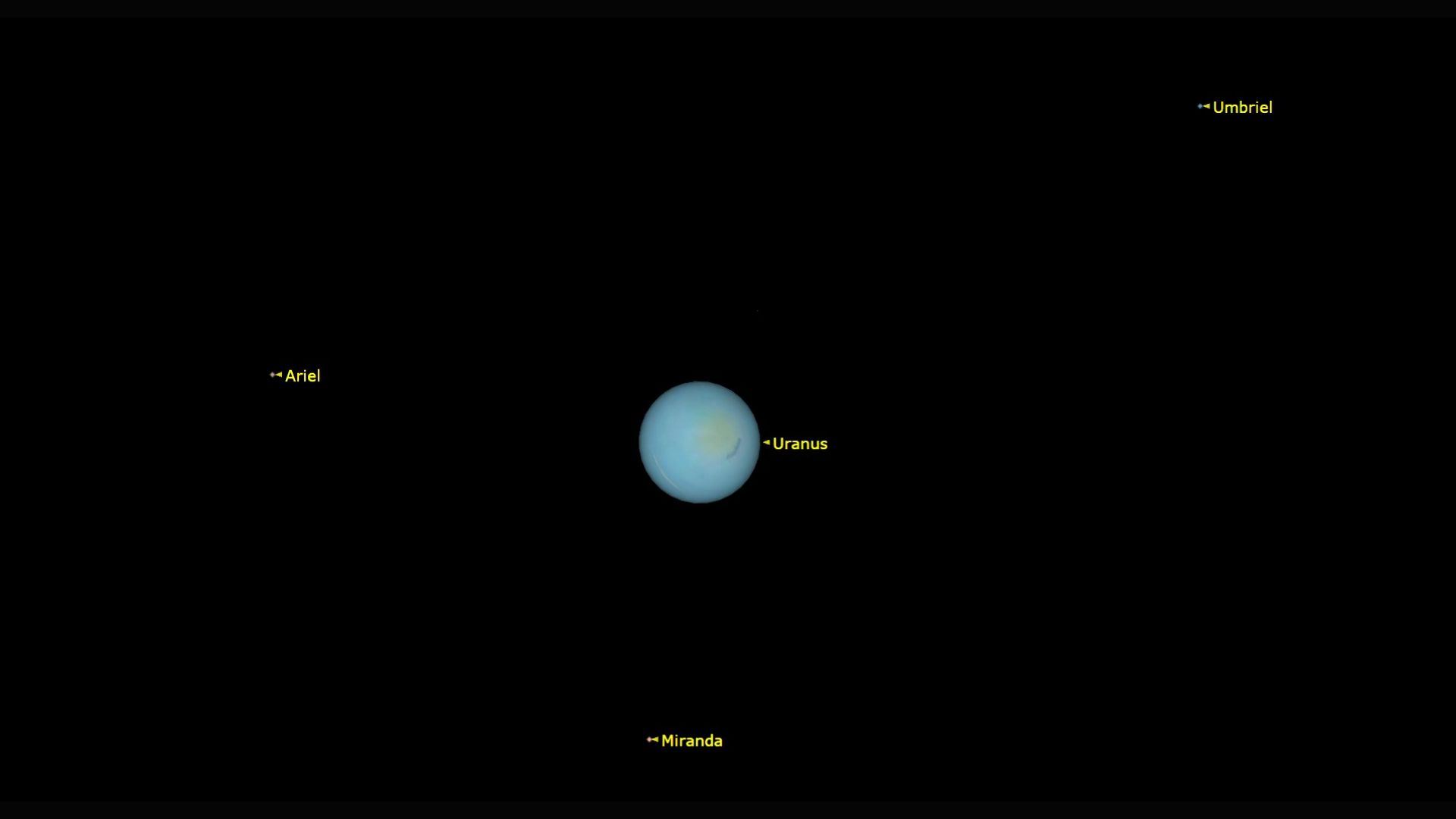
Flyby Mission Strategies for Detecting Oceans on Uranus’ Moons

Hubble’s Dusty Surprise: Why Uranus’ Moons Are Darker on the “Wrong” Side

Uranus surprises scientists as its moons turn the wrong side dark

This Chinese Spacecraft Is Traveling to One of Earth’s Quasi-Moons

How Likely Are Habitable Exo-Moons?

The Fastest Spinning Asteroids are Most Likely to Have Moons

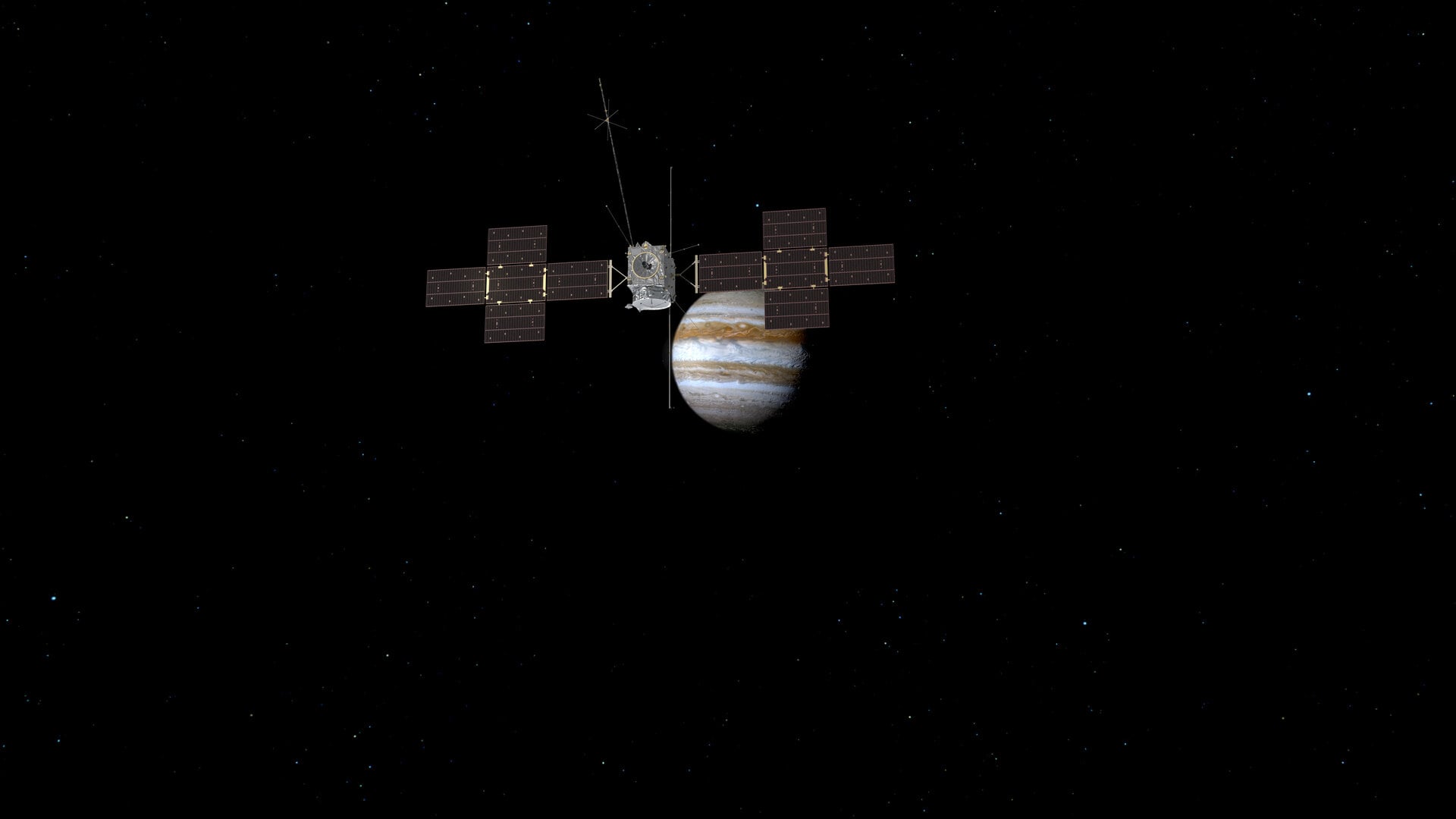
Juno Continues to Teach us About Jupiter and Its Moons