Read news on microplastics with our app.
Read more in the app
Microplastics Aren't Inert After All: In Water, They Make DNA-Damaging Free Radicals
Microplastics React With Water, a New Study Says. That’s a Problem for Biology
There's a Surprisingly Simple Way to Remove Microplastics in Your Drinking Water
Microplastics are linked to inflammation—scientists might have finally worked out why
Microplastics are chemically active, and could cause biological harm
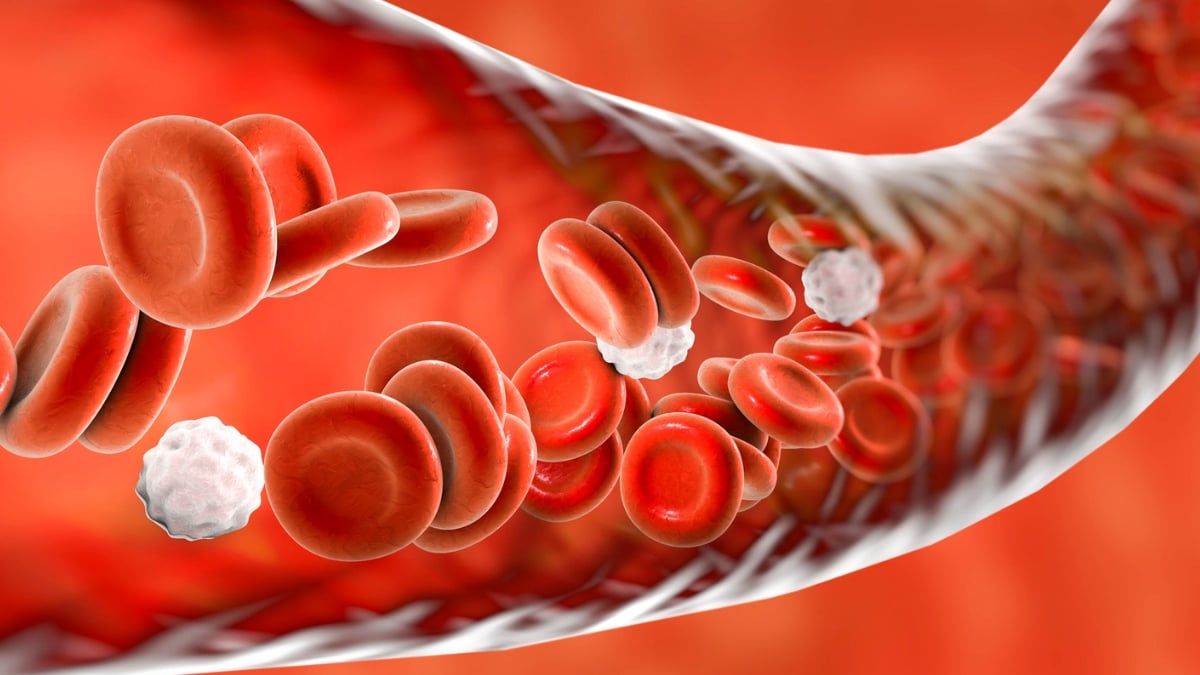
Microplastics may produce harmful molecules if they enter our blood
Microplastics and the law explained: What California's new rule means for plastic policy
Microplastics can affect the next generation without being passed directly from mother to offspring
Microplastics may help antibiotic resistance travel farther through livestock waste
Microplastics fall across rural Switzerland, adding over 200 tons yearly to land and water
Rivers deliver unexpectedly high loads of microplastics to the sea
Microplastics may act as pollutant shuttles, carrying chemicals, pathogens and antibiotic resistance genes
What happens when a shoreline scavenger consumes microplastics?
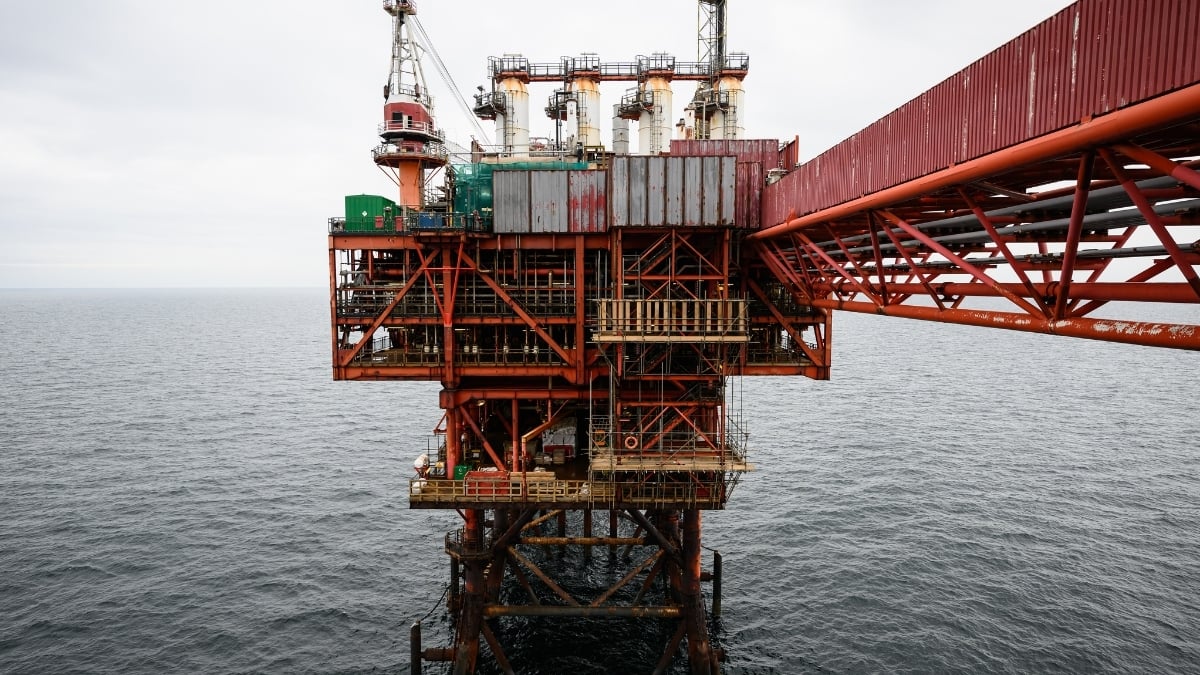
Abandoned Oil And Gas Pipes Are Still Contributing TONS of Microplastics Into The Ocean Each Year
Microplastics can reshape how vegetables absorb “forever chemicals” - EurekAlert!
A Common Cholesterol Treatment May Also Remove PFAS And Microplastics From Blood
Microplastics can reshape heavy metal risks in soil, but each metal responds differently - EurekAlert!
Microplastics can reduce cadmium toxicity in plants, but the protective effect depends on environmental conditions - EurekAlert!
Scientists Tested 17 Human Artery Samples – And Found Microplastics in Every Single One
'Most Isolated Environments': Microplastics Are Finding Their Way Down to Deep-Sea Hydrothermal Vents