Read news on Coffee with our app.
Read more in the app
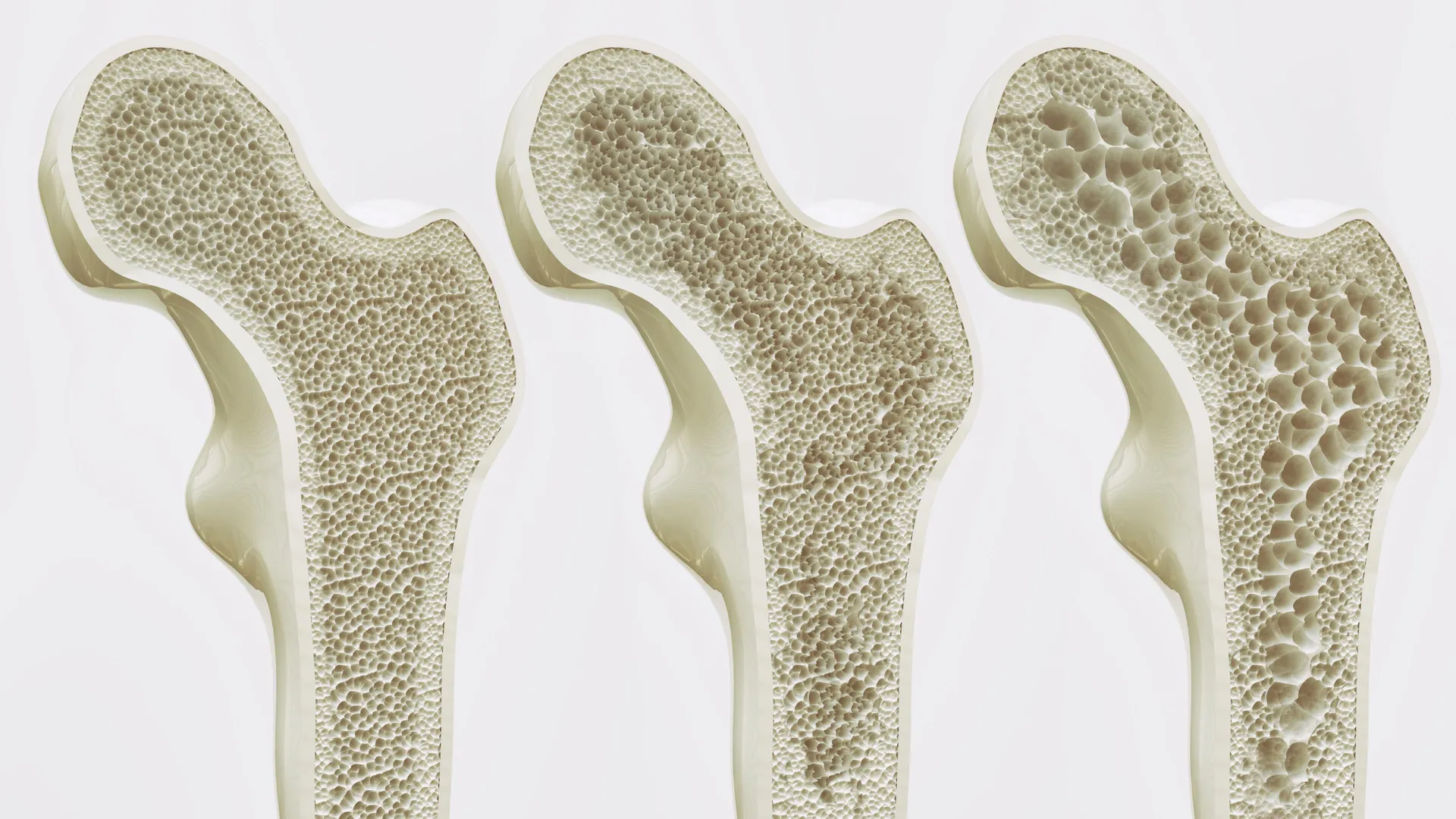
Choice of Tea or Coffee Might Affect Risk of Osteoporosis in Older Women
Scientists just discovered what coffee really does to your gut and brain
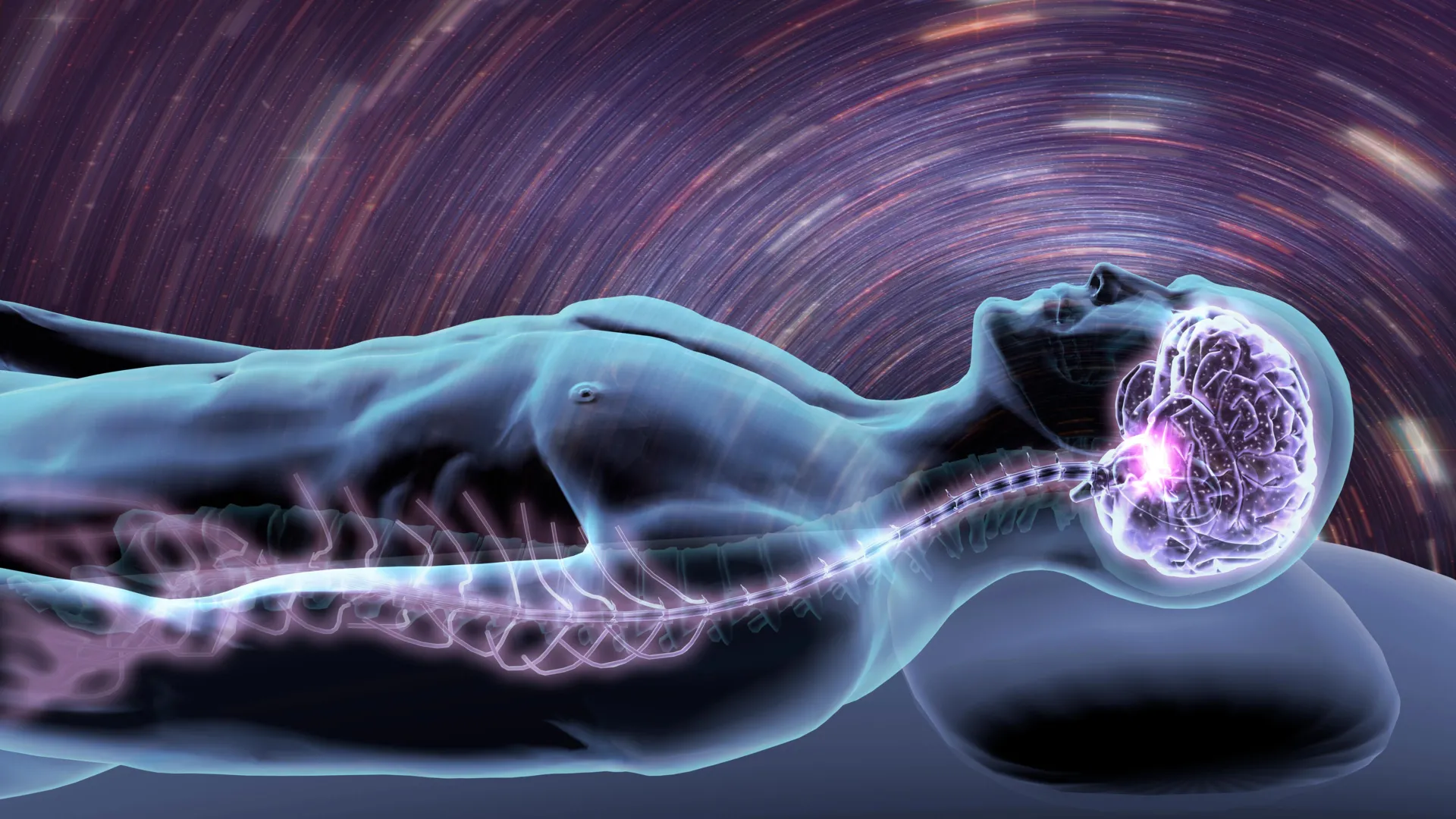
Coffee doesn’t have to keep you awake to disrupt your sleep
A coffee-table-size scorpion roamed Earth before forests existed
Too much coffee may weaken bones, study finds
Like coffee and ice cream: an interview with Sam and Eli Morten
Has science finally made up its mind about coffee’s health benefits?
Coffee and sunlight: a natural blend - EurekAlert!
Coffee’s Most Destructive Pest Is Accidentally Helping the Ants That Hunt It
American Heart Association Reveals How Much Coffee Is Safe for Your Heart
Coffee may help shield the liver from fat, scarring, and cancer
Up to five cups of coffee a day may benefit heart health, according to American Heart Association
Coffee may protect your heart but energy drinks could harm it
Coffee and heart health: How many cups of caffeinated coffee are safe to drink each day? - EurekAlert!
American Heart Association Reveals The Optimal Daily Cups of Coffee For Your Health
Coffee may help the body fight stress and aging through a hidden cellular switch
Coffee May Protect the Liver in More Ways Than Scientists Realized
Tea or Coffee? Your Daily Choice Could Affect Osteoporosis Risk
Scientists reveal the surprising truth about coffee and blood pressure
Coffee May Protect Against Aging, And Caffeine Isn't The Main Reason