Universe

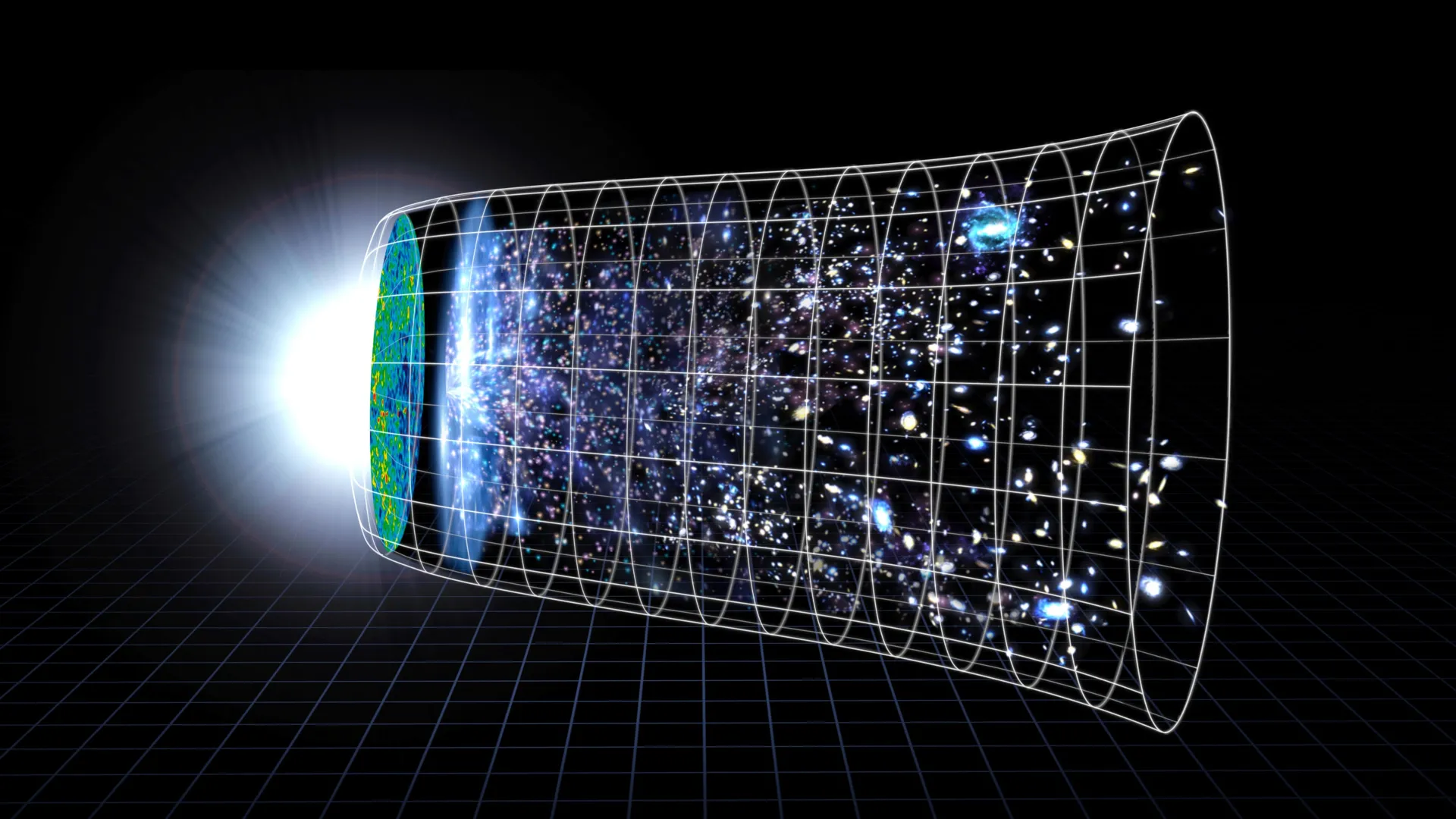
The universe is all of space and time and their contents, including planets, stars, galaxies, and all other forms of matter and energy. The Big Bang theory is the prevailing cosmological description of the development of the universe. According to this theory, space and time emerged together 13.787±0.020 billion years ago, and the universe has been expanding ever since the Big Bang. While the spatial size of the entire universe is unknown, it is possible to measure the size of the observable universe, which is approximately 93 billion light-years in diameter at the present day. Some of the earliest cosmological models of the universe were developed by ancient Greek and Indian philosophers and were geocentric, placing Earth at the center. Over the centuries, more precise astronomical observations led Nicolaus Copernicus to develop the heliocentric model with the Sun at the center of the Solar System.

Read more in the app

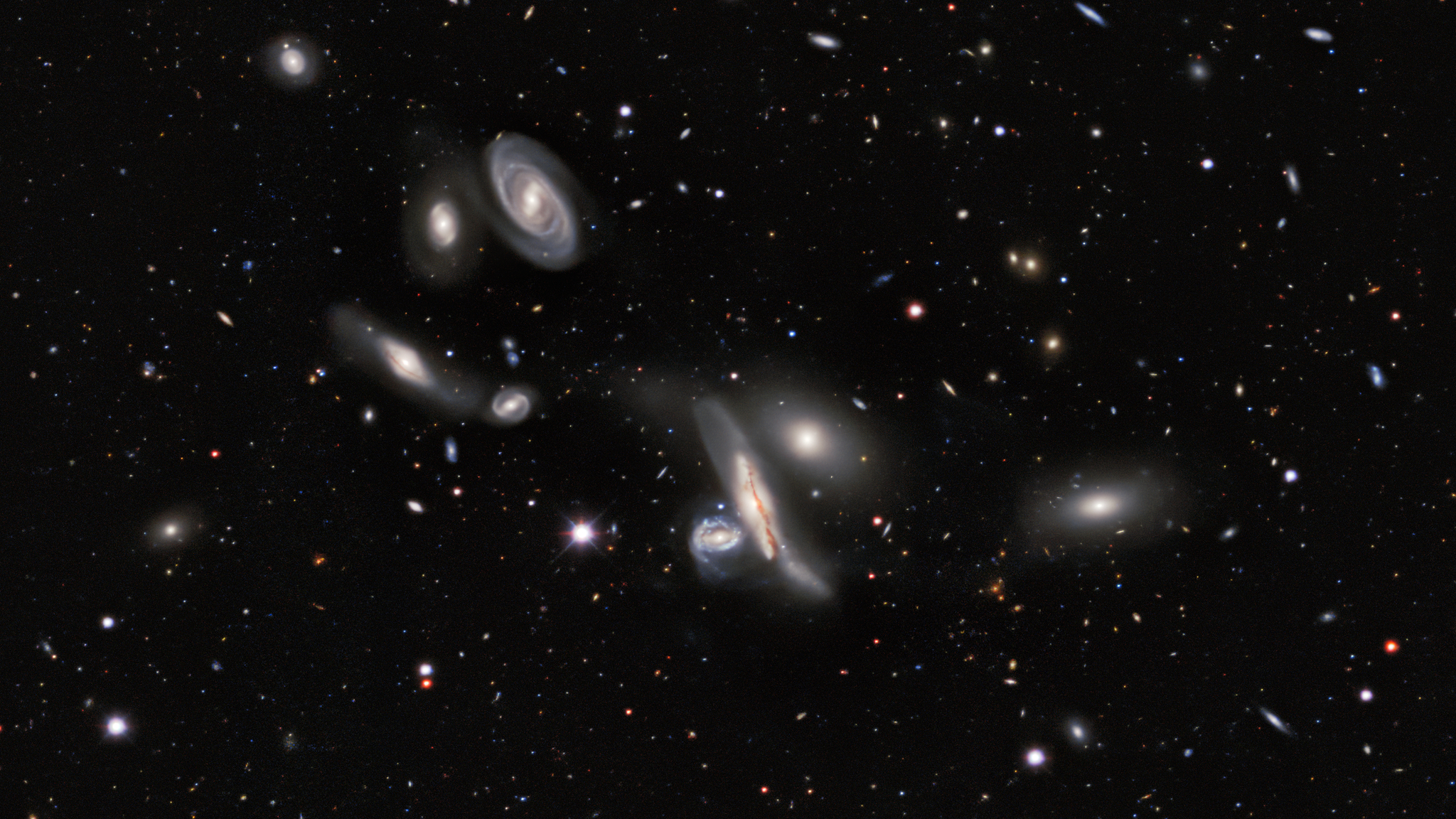
Scientists create largest 2D map of the universe with 5.6 trillion pixels and nearly 4 billion cosmic objects

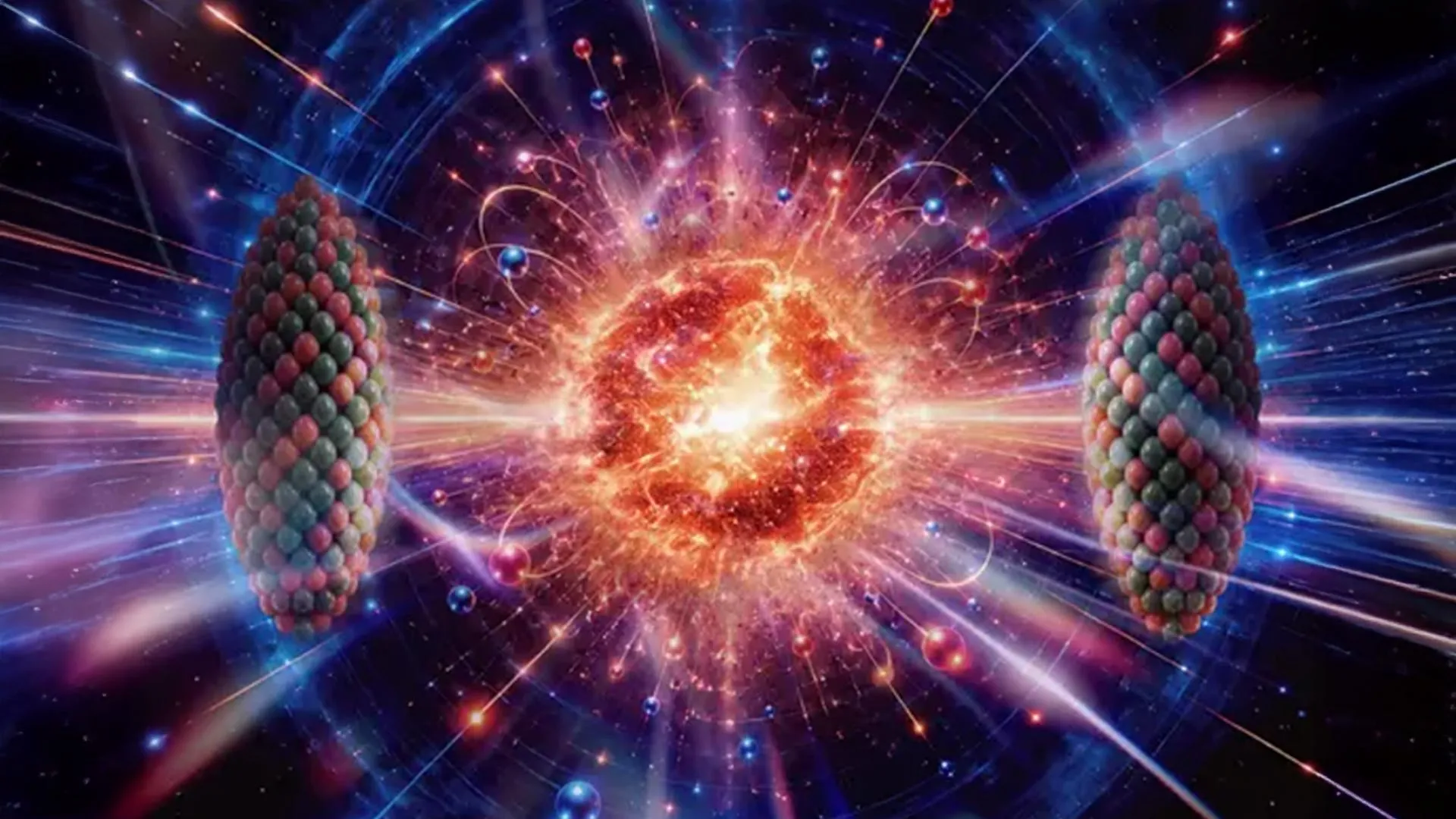
A new explanation of why the universe’s supply of nuclear matter is fixed?

This year's 'Masters of the Universe' movie wasn't Hollywood's first attempt at capturing the power of He-Man; they tried back in 1987, and failed then too

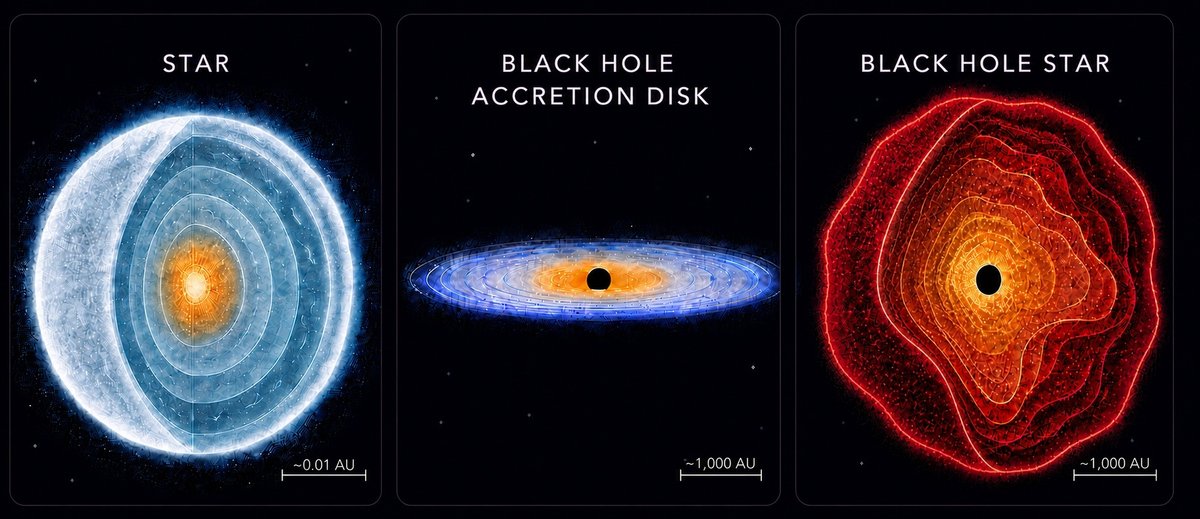
JWST images illuminate ‘black hole stars’ at cosmic dawn

Largest 2D map of the universe charts 4 billion objects in the night sky — and helps other telescopes with their work: A new celestial map not only catalogs a variety of cosmic objects but also serves as a pointer for other telescopes on Earth and in space.

5.6-Trillion-Pixel Map of Universe is Biggest Ever Made

Biggest 2D Map of the Universe Took 13 Years and 263,407 Photos to Make

The Universe May Not Be Accelerating After All—And It Could Mean Dark Energy Never Existed

Chinese observatory finds most powerful particle accelerator in the universe

Scientists reveal the hidden force driving the universe’s hottest fluid

There Might Be a Way to Observe Dark Matter Decaying Into Gravity Particles

CERN Experiments Detect Signs of the Universe’s Primordial Matter

Cosmic History | NASA Science | "Around 13.8 billion years ago, the universe expanded faster than the speed of light for a fraction of a second, a period called cosmic inflation"

Dark Matter’s Secret Force Could Reshape Our Understanding of the Universe

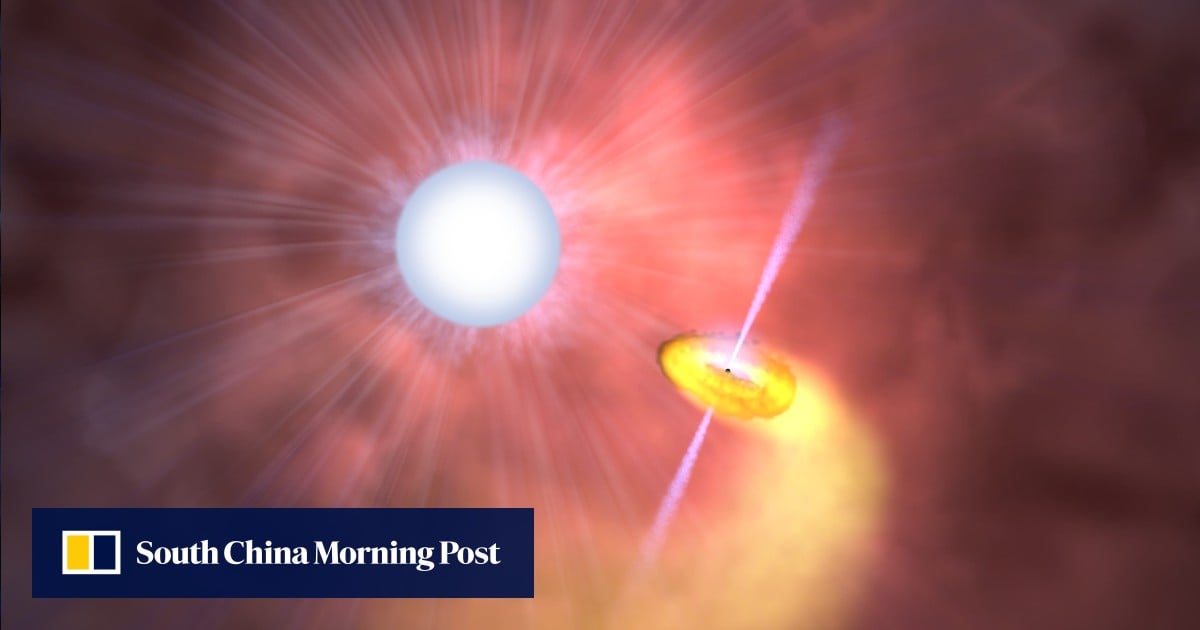
How does the universe set black holes on a collision course?

UNC-Chapel Hill astronomers identify one of the universe’s rarest black hole events - EurekAlert!

The Universe can outrun light without breaking Einstein’s rules

Exploring the hidden family of the universe - EurekAlert!

Probing the Universe's Missing Matter With Mysterious Fast Radio Bursts

New radio-burst method helps locate universe's missing ordinary matter