Solar System

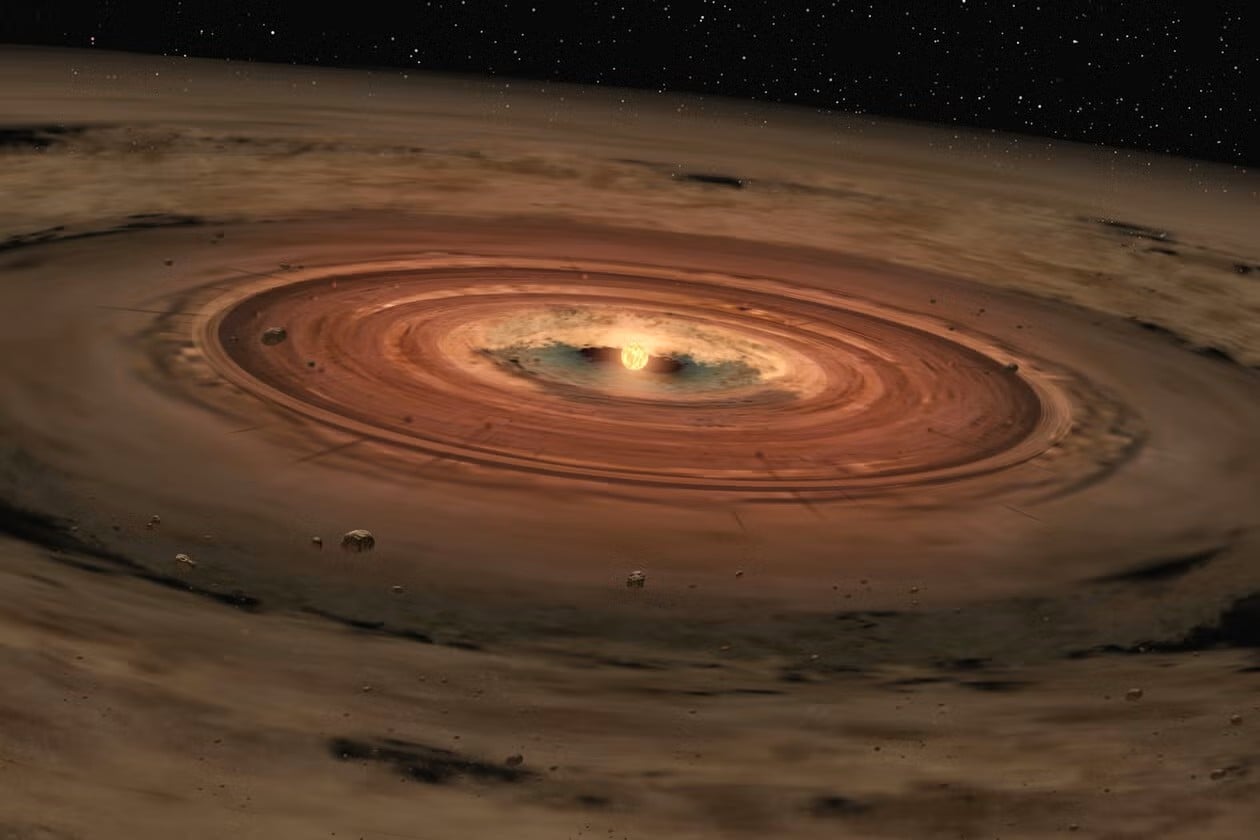
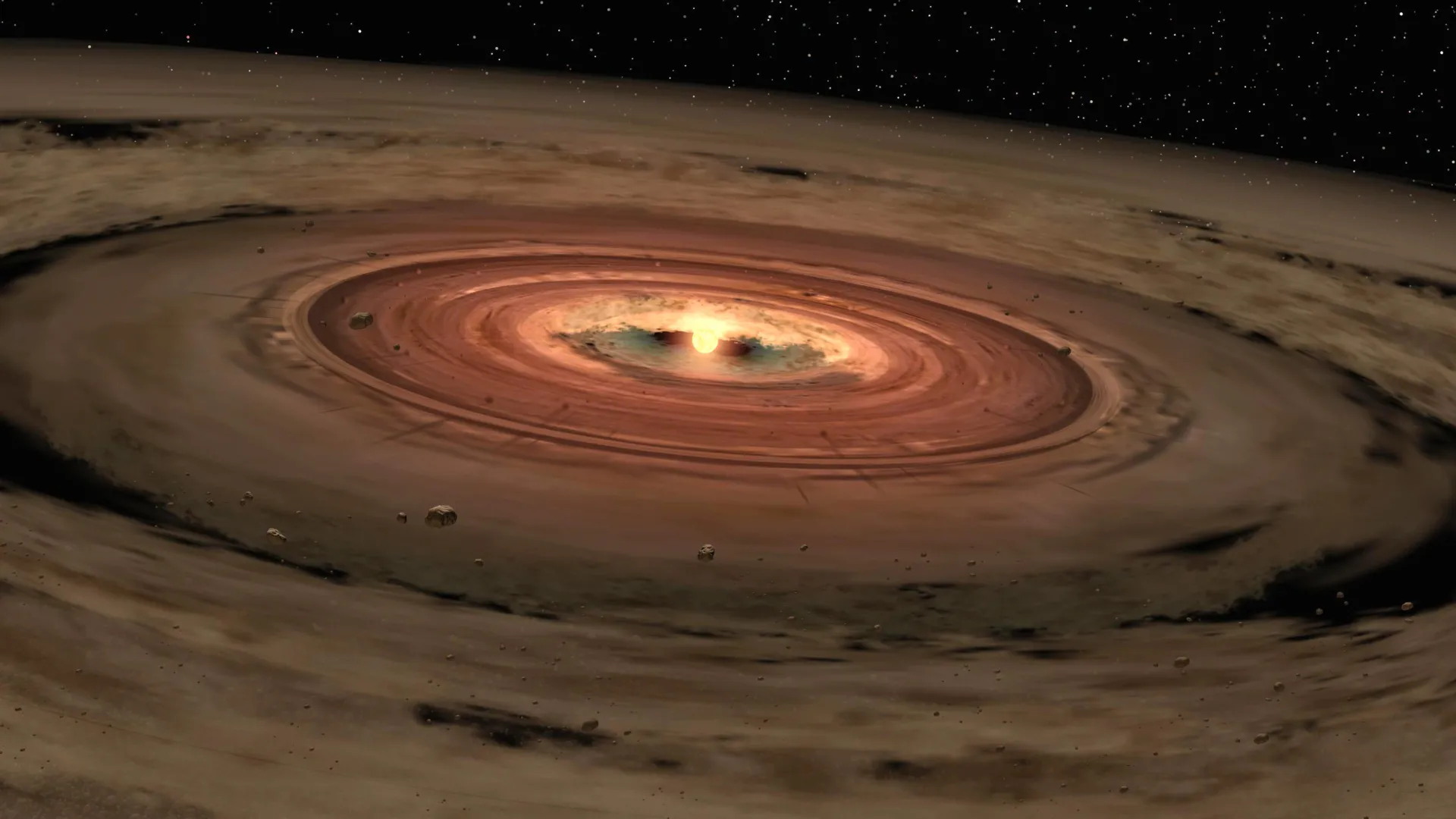
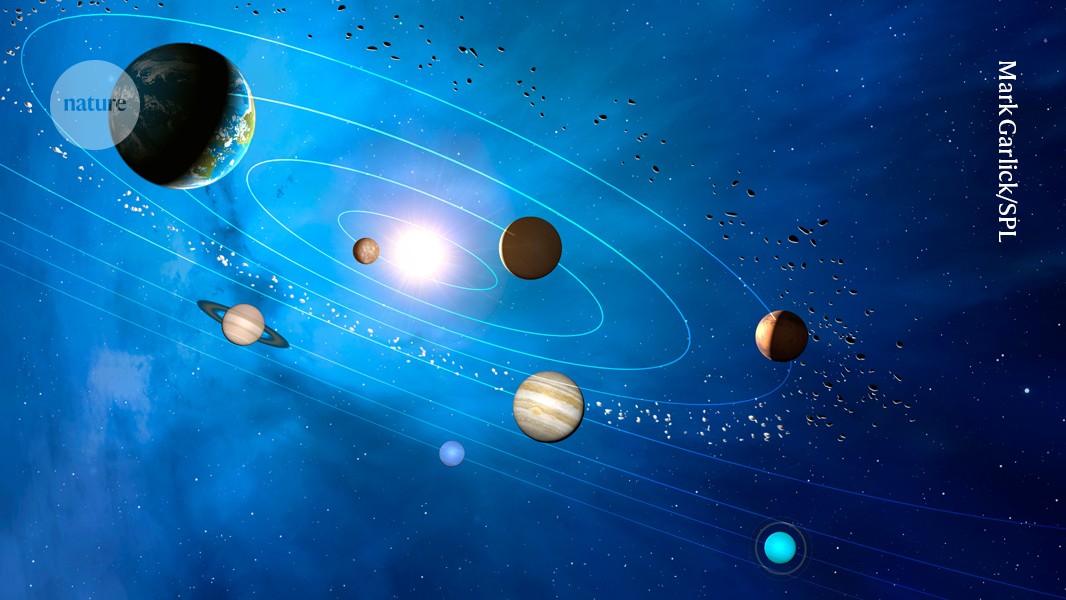
The Solar System is the gravitationally bound system of the Sun and the objects that orbit it, either directly or indirectly. Of the objects that orbit the Sun directly, the largest are the eight planets, with the remainder being smaller objects, the dwarf planets and small Solar System bodies. Of the objects that orbit the Sun indirectly—the natural satellites—two are larger than the smallest planet, Mercury. The Solar System formed 4.6 billion years ago from the gravitational collapse of a giant interstellar molecular cloud. The vast majority of the system's mass is in the Sun, with the majority of the remaining mass contained in Jupiter. The four smaller inner system planets, Mercury, Venus, Earth and Mars, are terrestrial planets, being primarily composed of rock and metal. The four outer system planets are giant planets, being substantially more massive than the terrestrials.
Read more in the app

'Stellar death is not the end': James Webb Space Telescope glimpses the fate of the solar system in a weird exoplanet orbiting a dead star

In 1776, the solar system only had 6 planets. Now, it has 8. Does it end there?

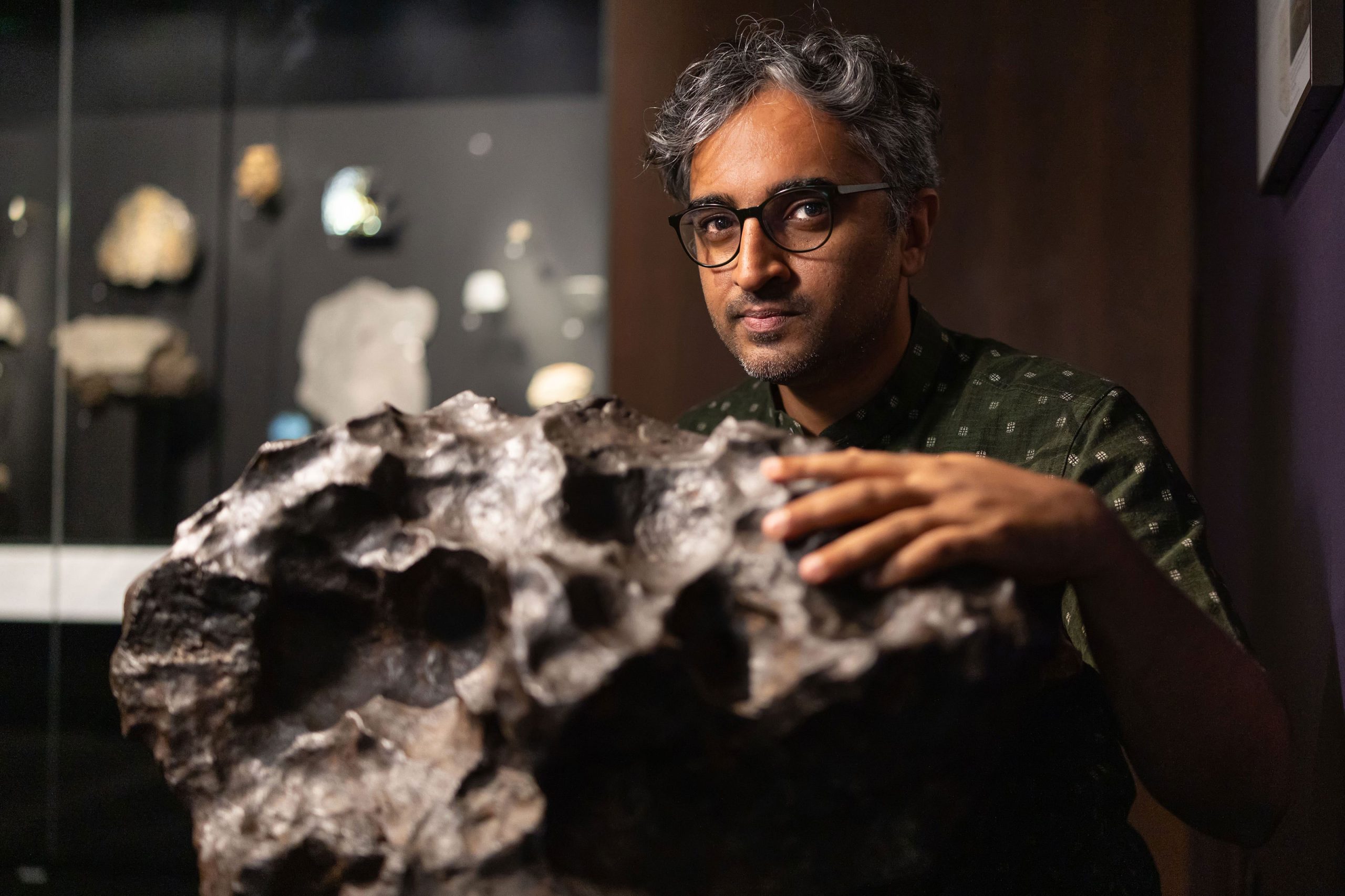
Meteorite reveals a lost moon-sized world from the dawn of the solar system

An interstellar comet that blazed past the Sun last year could be nearly three times older than our Solar System and is unlike anything ever before seen in our cosmic backyard, astronomers said Monday

Interstellar comet may be oldest object seen in our solar system, research finds

Our sun is destined to 'kick and spit' its way across the solar system when it dies

Interstellar comet is unlike anything seen in our Solar System

Moon Impact 3.5 Billion Years Ago Hints at Hidden Era of Solar System

I made a website to visualize satellites and the solar system to scale

Is Planet Nine Real? New Discovery at the Edge of the Solar System Adds a Twist

Hundreds of new moons are revealing our solar system's violent history

A Rare Meteorite Just Revealed a Lost, Mars-Sized Planet from the Dawn of the Solar System

Why do Venus and Jupiter meet up in the sky so often? It's a symptom of a solar system that supports life on Earth

Interstellar Comet 3I/ATLAS Reveals Strange Chemistry Beyond Our Solar System

The Solar System May Have Lost 2 Planets, And The Mystery Just Deepened

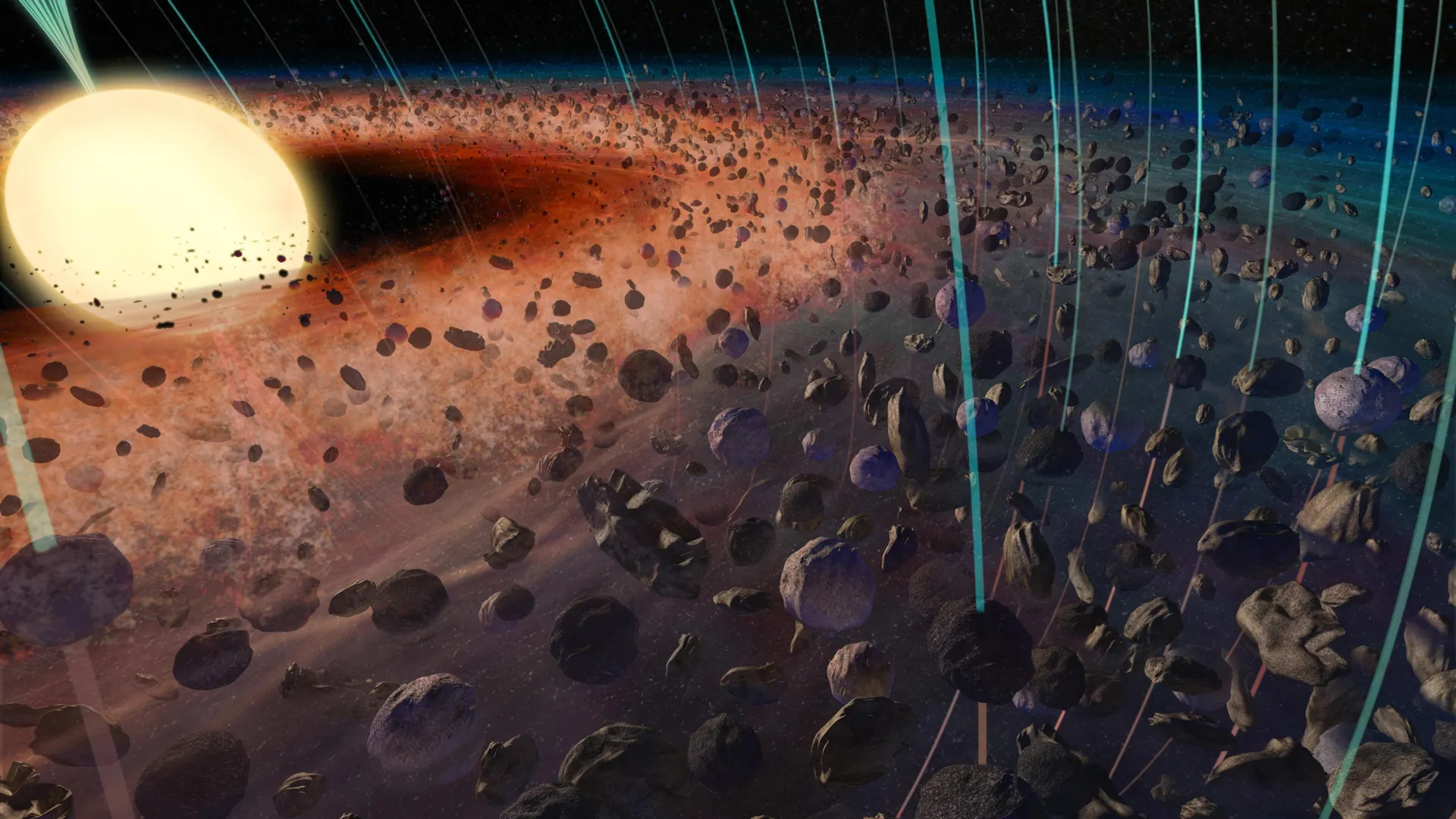
Scientists Just Found the Solar System’s Original “Planet Factory”

Jupiter's Ganymede, the largest moon in the solar system, may be heating up: The largest moon in the solar system — Jupiter’s Ganymede — has a unique and inexplicable magnetic field. New research could finally explain it: the moon is heating up.

Scientists found stardust trapped in Antarctic ice. What could it tell us about our solar system?

30-mile-high clouds of acid on Venus are made by the largest 'hydraulic jump' in the solar system

Interstellar Comet 3I/ATLAS Came From a Place Nothing Like Our Solar System