Planets

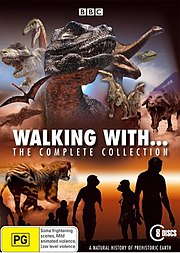
Walking with...

Read more in the app

NASA’s Hubble Reveals Largest Found Chaotic Birthplace of Planets

A New Laboratory Explores How Planets Begin

How Do Astronomers Find Planets in Other Solar Systems?

Most normal matter in the universe isn’t found in planets, stars or galaxies – an astronomer explains where it’s distributed

Beyond the habitable zone: Exoplanet atmospheres are the next clue to finding life on planets orbiting distant stars

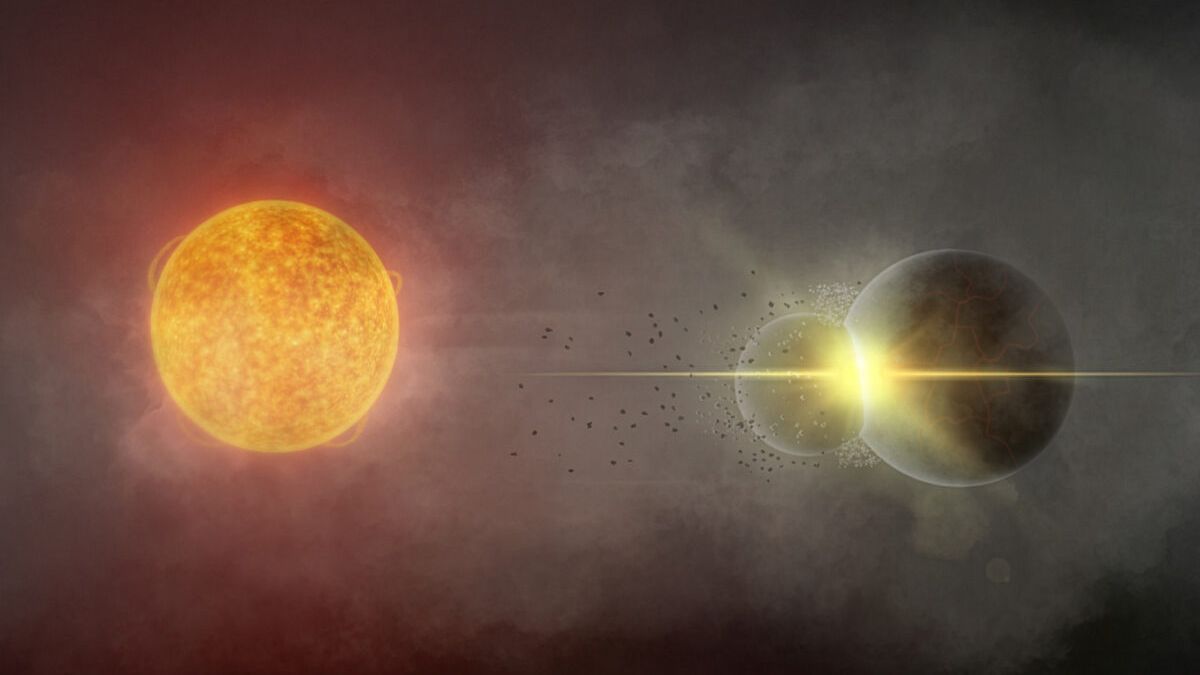
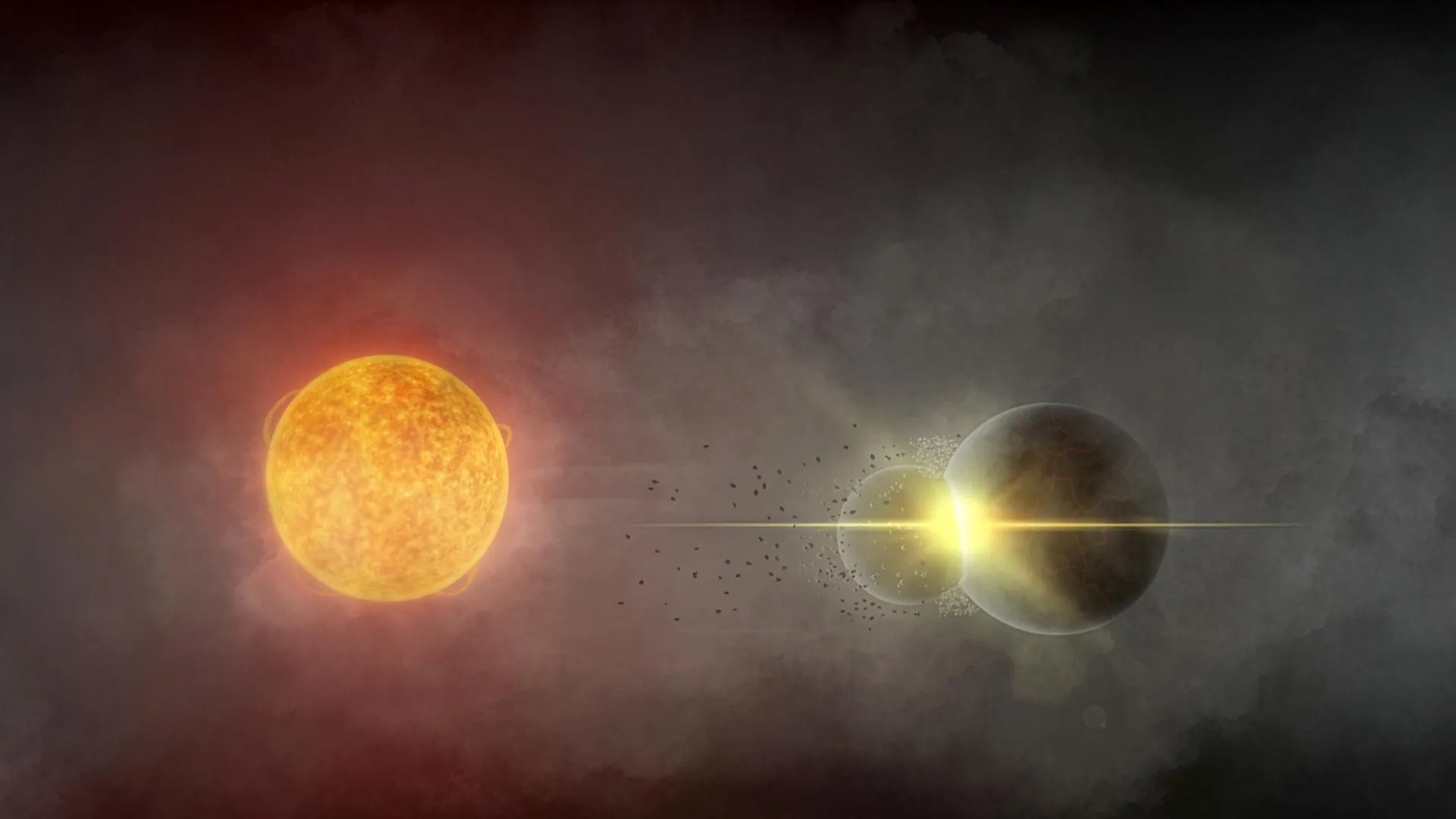
Why is this star so weird? Maybe because it ate one of its own planets

How a medieval Oxford friar used light and color to find out what stars and planets are made of

Beyond the habitable zone: Exoplanet atmospheres are the next clue to finding life on planets orbiting distant stars

There is increasing evidence for subterranean oceans on moons and even dwarf planets in our solar system. “Ocean worlds appear to be ubiquitous. The vast abundance of liquid water hidden beneath the ice on these moons could be the largest volume of habitable real estate in our solar system.”

Giant Stars Are Eating Planets, And We Finally Know Why

Dramatically New Design Concept For A Space Telescope Could Help Astronomers Discover Planets Capable Of Sustaining Life More Easily

The Intruder That Knocked Our Planets Askew

Planets may make their own water as they form — could that mean more habitable worlds in the universe?

Aging stars destroy their planets more often than we thought: What does this mean for Earth?

Astronomers discover dying stars eating their planets

A Red Dwarf Star with a Brown Dwarf Companion is Changing our Perception of How Stars and Planets Form

Astronomers Spot a White Dwarf That's Still Consuming its Planets

Some planets might home brew their own water

Cloud microbes' colours could help us detect life on other planets

A Galaxy's Age Determines What Type Of Planets It Can Form