Neptune

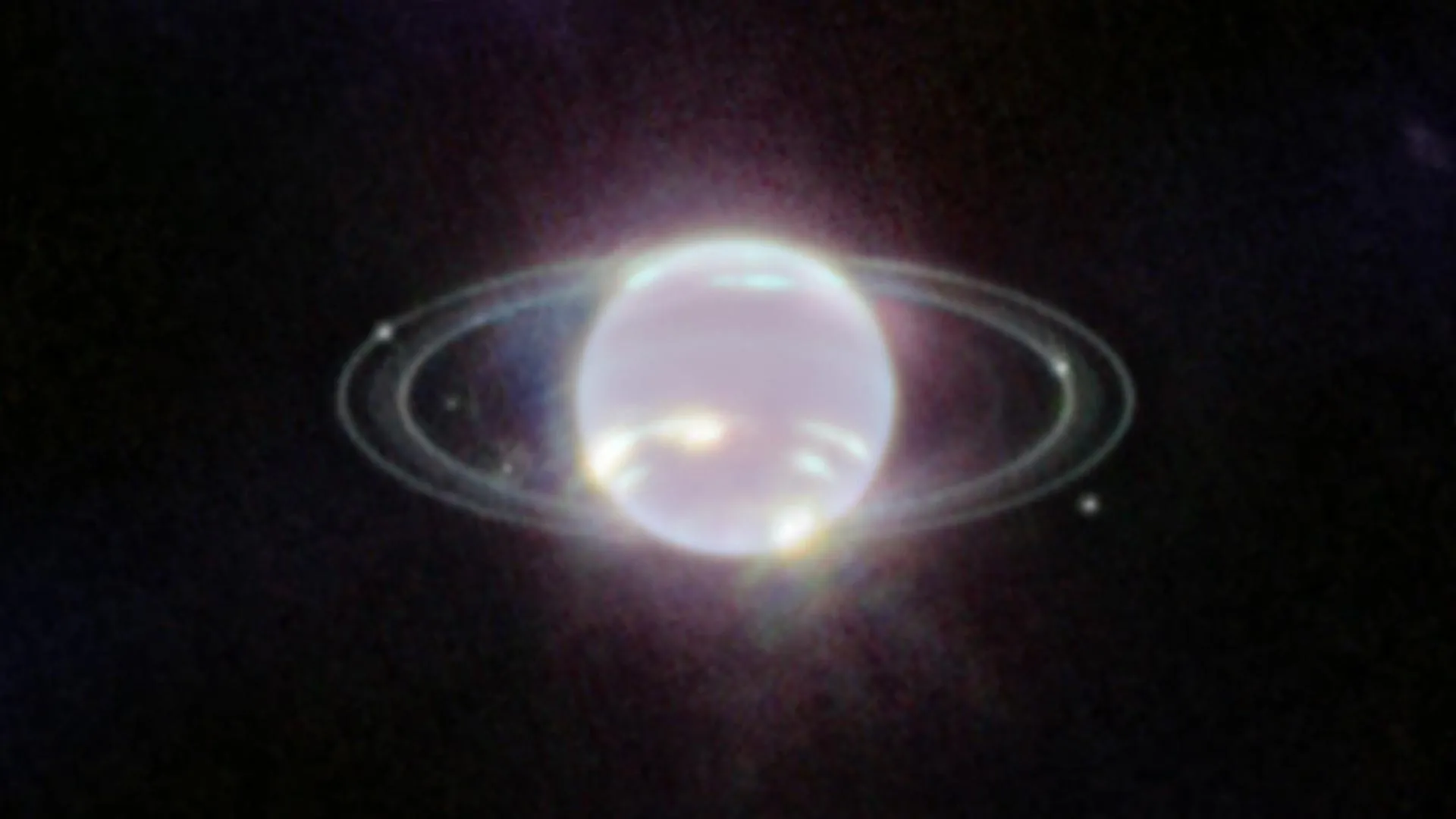
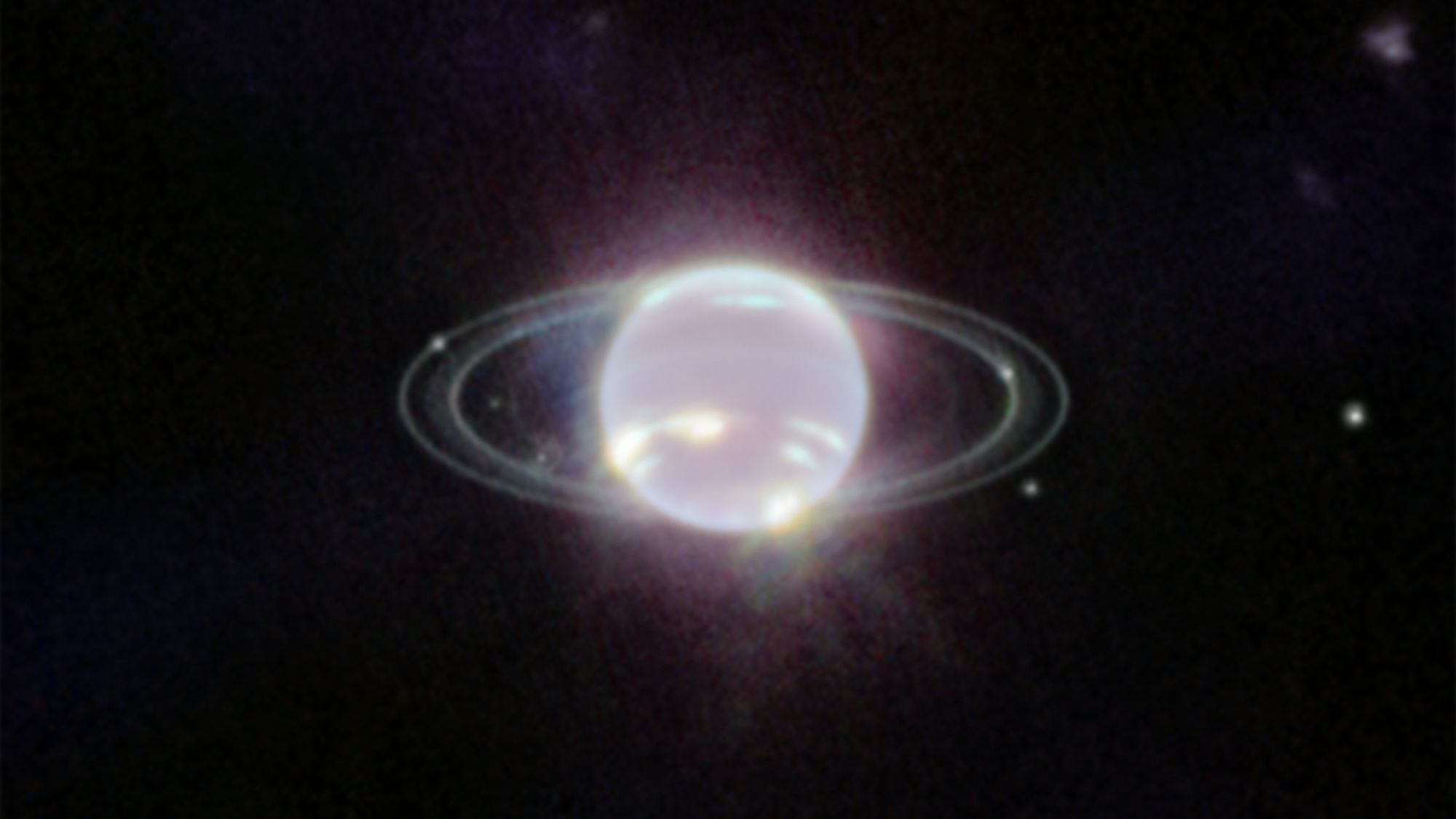
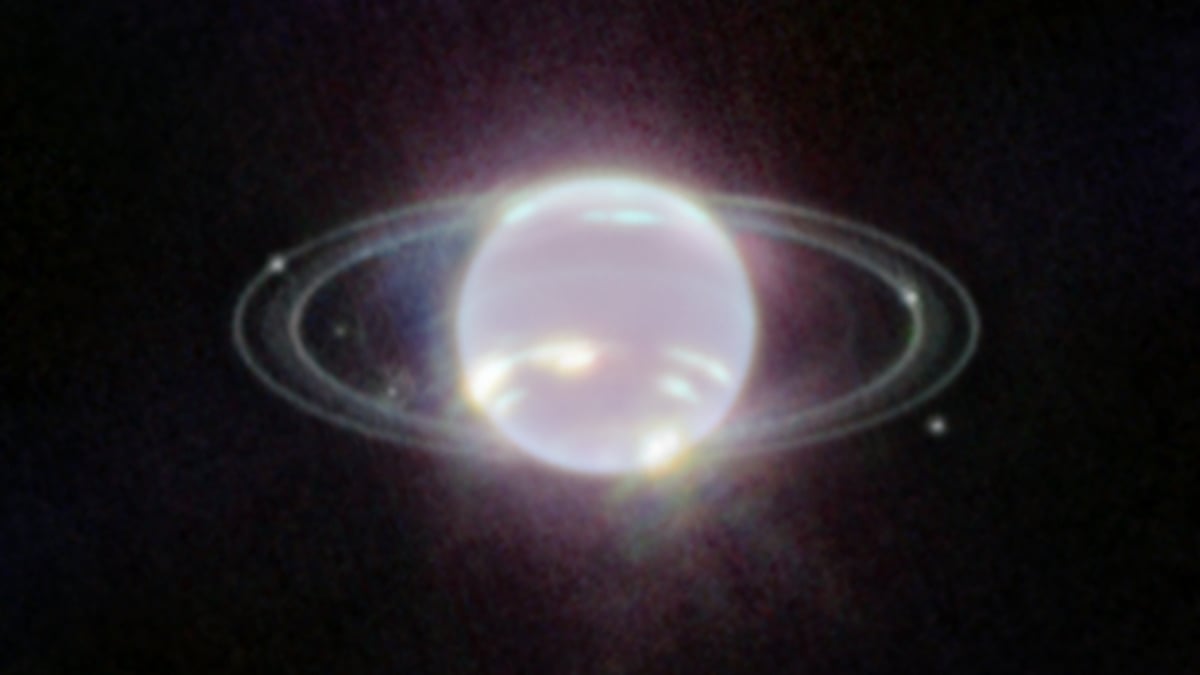
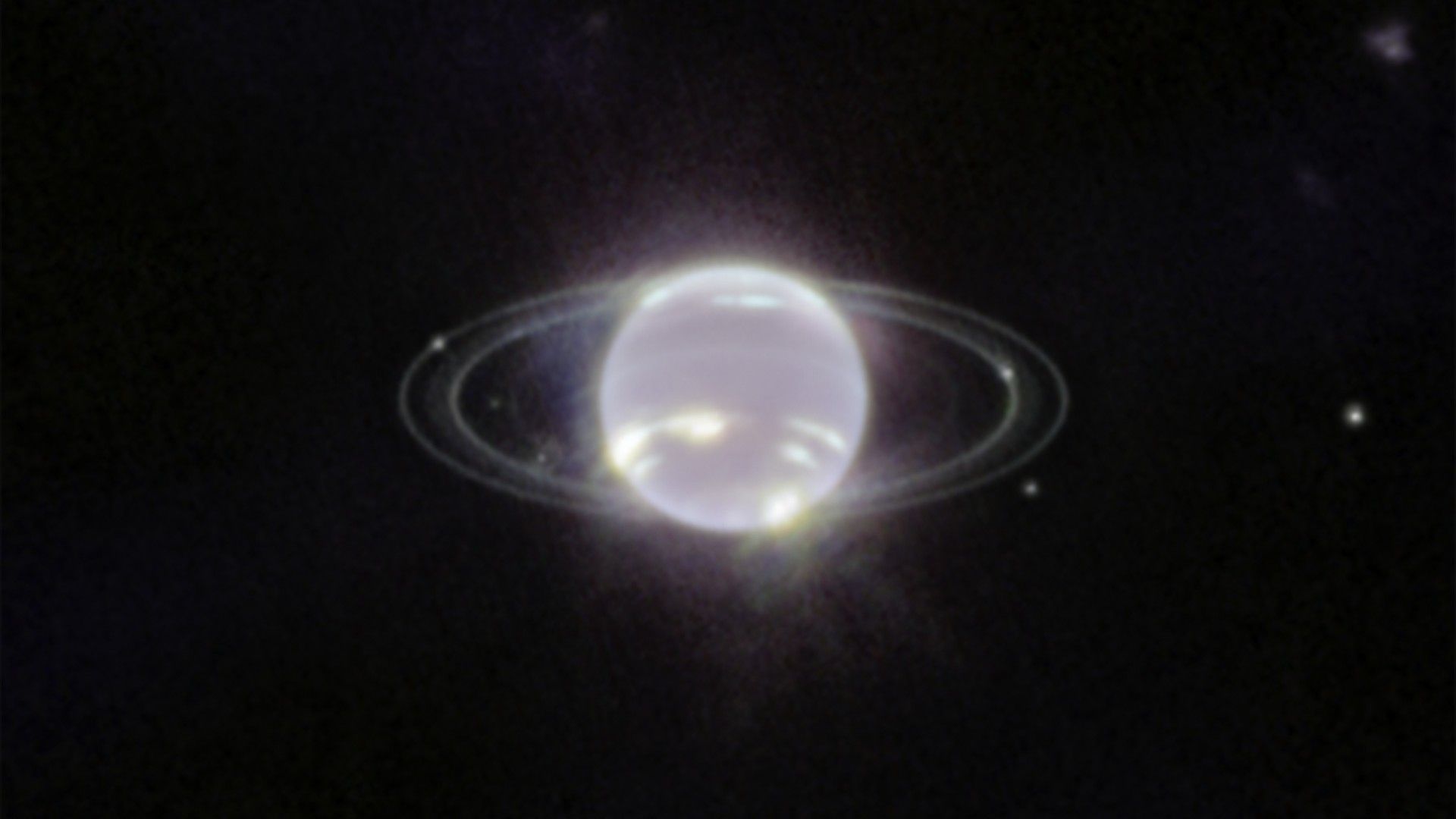
Neptune is the eighth and farthest-known Solar planet from the Sun. In the Solar System, it is the fourth-largest planet by diameter, the third-most-massive planet, and the densest giant planet. It is 17 times the mass of Earth, slightly more massive than its near-twin Uranus. Neptune is denser and physically smaller than Uranus because its greater mass causes more gravitational compression of its atmosphere. The planet orbits the Sun once every 164.8 years at an average distance of 30.1 AU. It is named after the Roman god of the sea and has the astronomical symbol, representing Neptune's trident. A second symbol, an L-V monogram for 'Le Verrier', analogous to the H monogram for Uranus, was never much used outside of France and is now archaic. Neptune is not visible to the unaided eye and is the only planet in the Solar System found by mathematical prediction rather than by empirical observation.
Read more in the app

Following Neptune Through Opposition 2026

Astronomers Expected More Tiny Worlds Beyond Neptune – Webb Found Something Else

James Webb Space Telescope and Hubble discover 27 puzzling new objects orbiting the sun far beyond Neptune

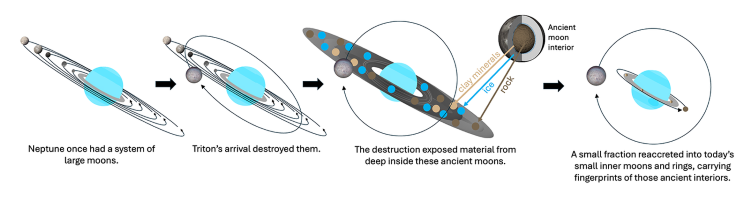
A Cosmic Catastrophe May Have Turned Neptune’s Ancient Moons Inside Out

Scientists Made Ice Stay Solid Above 2,000°C. The 'Superionic Ice' Could Be Found Inside Uranus and Neptune: The researchers squeezed water to millions of atmospheres and discovered a bizarre new form of ice

Hubble and Webb Team Up to Spy Tiny Frozen Worlds beyond Neptune

Scientists crushed diamond beyond Neptune-like pressures—and solved a 20-year mystery

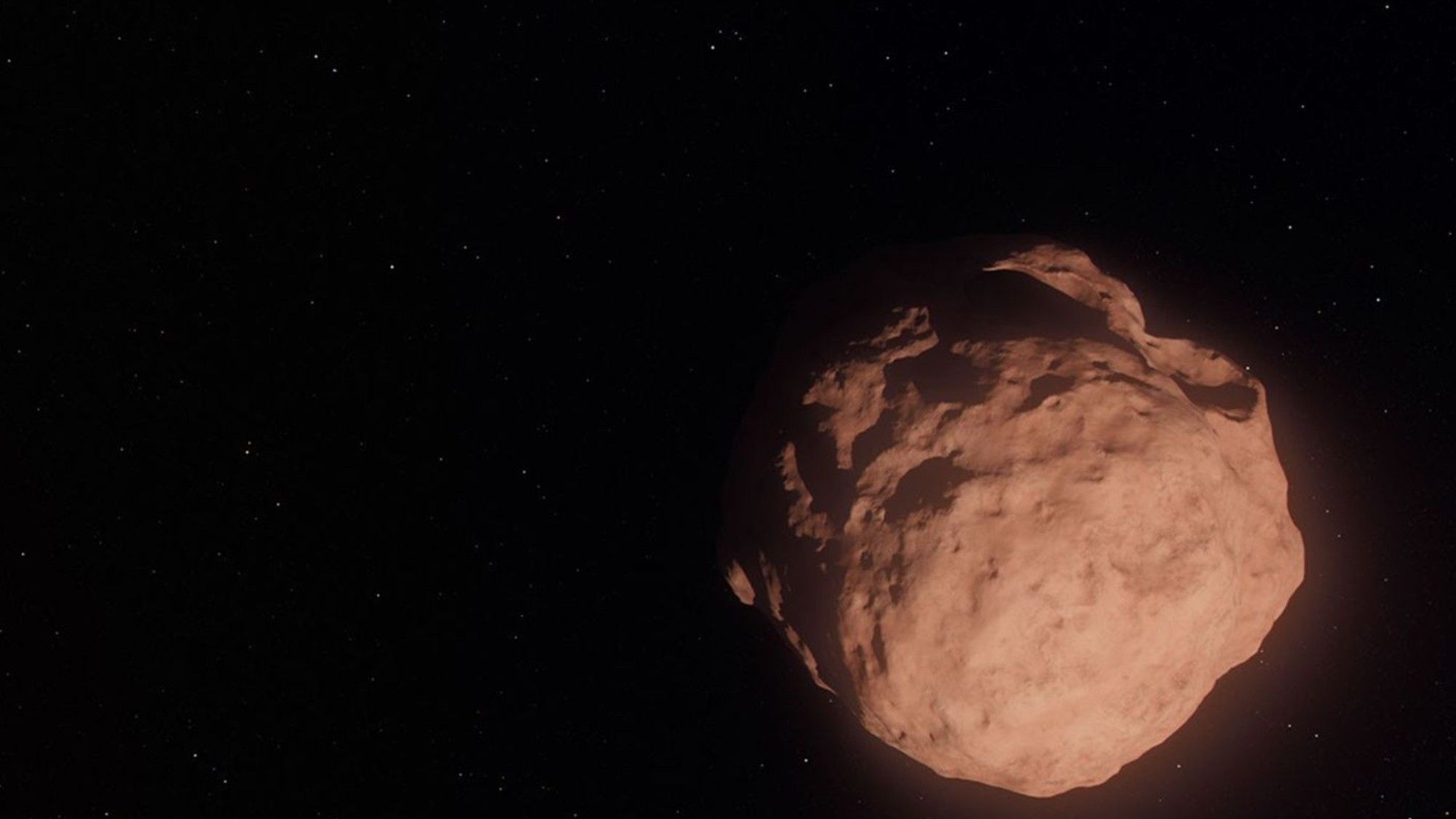
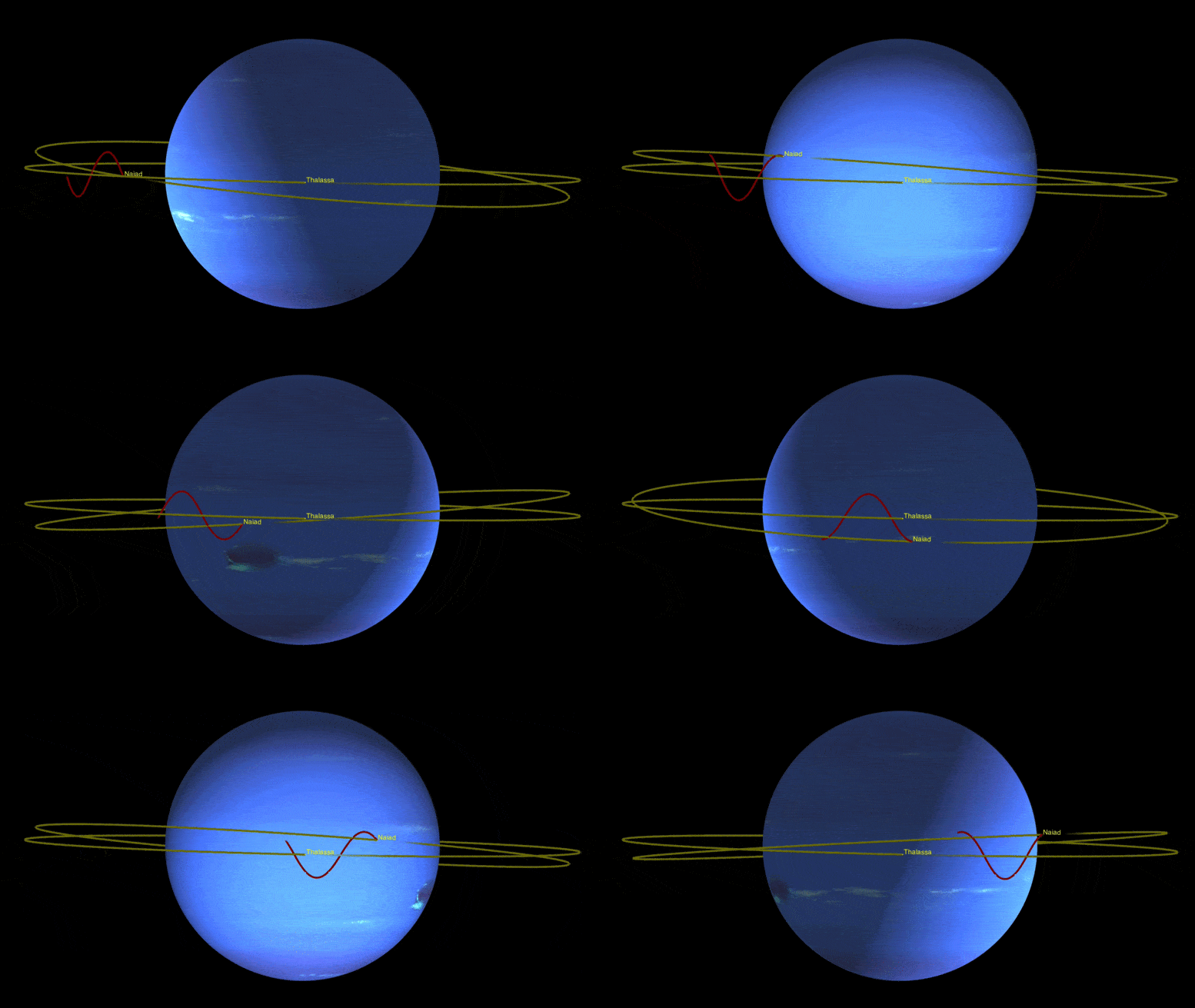
Neptune’s tiny moons may be the wreckage of shattered ancient worlds

Webb telescope finds signs of ancient disaster for Neptune's moons

3 moons of Neptune may be remnants of ice worlds shattered in a catastrophic crash

Neptune's Inner Moons May Be Shattered Remains of Ancient Icy Worlds

Smashed Ice Worlds Formed Neptune's Inner Moons and Rings

Uranus and Neptune may not be ‘ice giants’ after all

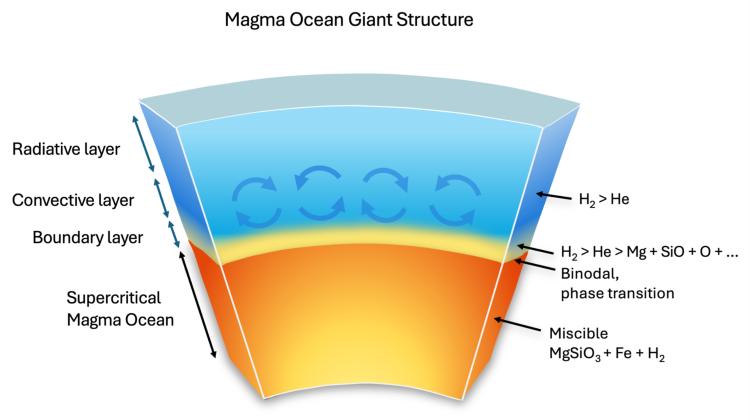
A new study suggests Uranus and Neptune have magma oceans brewing on their insides rather than icy interiors

Uranus, Neptune May Be Magma Worlds, Not Ice Giants

This Neptune-sized world orbits backwards, hinting at a hidden giant's influence

Ice Giants Revisited: Uranus And Neptune As Magma Ocean Worlds - Astrobiology

A Strange Moon Orbiting Neptune May Be The Sole Survivor of an Apocalypse

Neptune’s Weirdest Moon Nereid Might Be the Lone Survivor of an Ancient "Moonpocalypse"

Where did Neptune's mysterious moon Nereid come from? It may be the only survivor of the planet's violent history