Matter

In classical physics and general chemistry, matter is any substance that has mass and takes up space by having volume. All everyday objects that can be touched are ultimately composed of atoms, which are made up of interacting subatomic particles, and in everyday as well as scientific usage, "matter" generally includes atoms and anything made up of them, and any particles that act as if they have both rest mass and volume. However it does not include massless particles such as photons, or other energy phenomena or waves such as light or heat. Matter exists in various states. These include classical everyday phases such as solid, liquid, and gas – for example water exists as ice, liquid water, and gaseous steam – but other states are possible, including plasma, Bose–Einstein condensates, fermionic condensates, and quark–gluon plasma. Usually atoms can be imagined as a nucleus of protons and neutrons, and a surrounding "cloud" of orbiting electrons which "take up space".


Read more in the app

Finally! Physicists Create an Exotic Quantum State of Matter That Works at Room Temperature

Blood, light, and a matter of time. ICTER investigates circulation

A new quantum state of matter works at room temperature

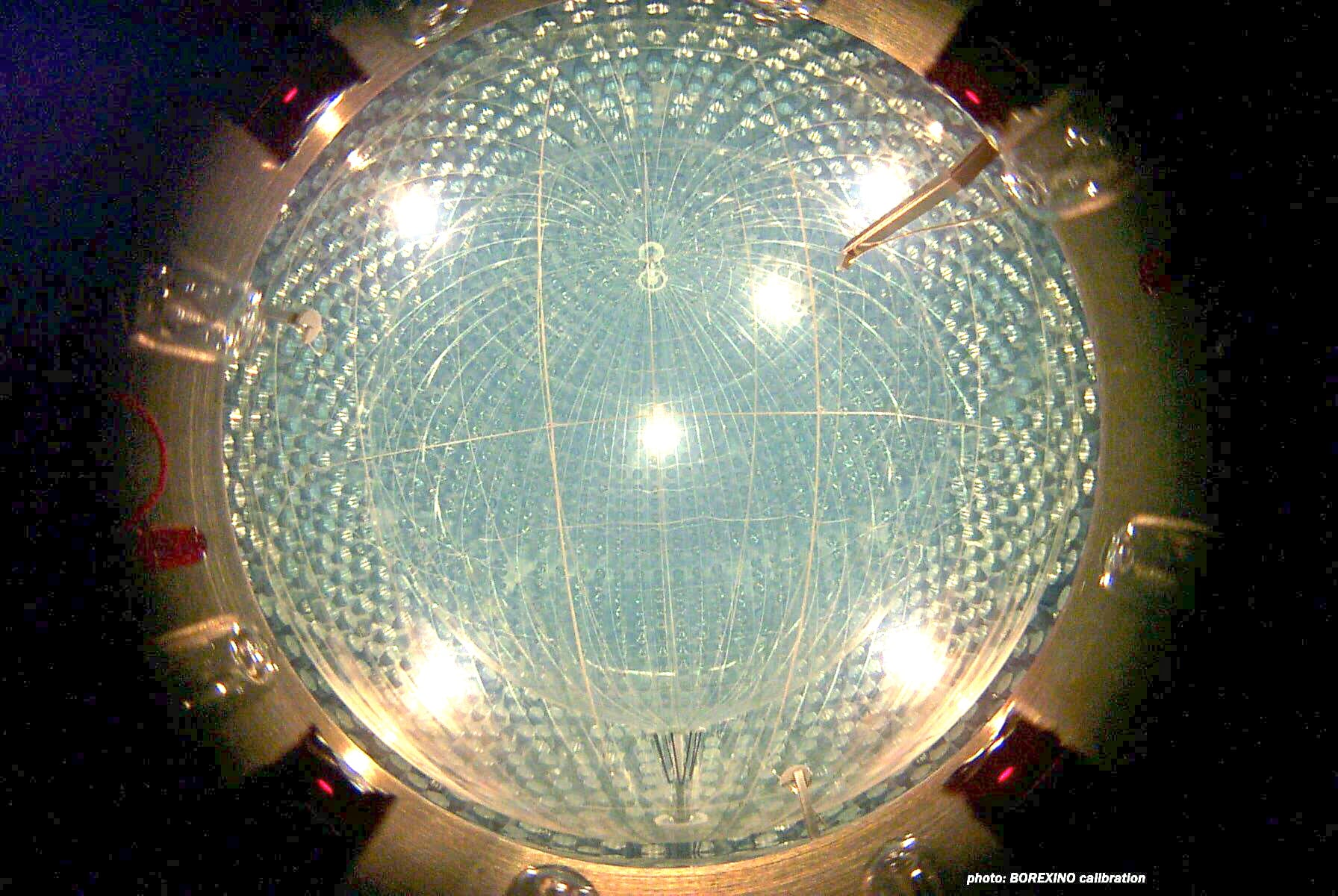
Scientists smash oxygen nuclei to recreate matter from the Big Bang

Physicists Propose a Strange New State of Matter: A Liquid That Can Flow in Time

UMD to lead research on shaping intense laser light to control matter

Roller coaster safety is a matter of science

Neutrinos May Be The Key To Why We Are Surrounded By Matter

Heavy Neutrino May Help Explain Why Matter Survived Big Bang

When AI can create anything, what makes human creativity matter?

Hybrid quantum computers could finally get to grips with light and matter

New stability rules distinguish quantum phases of matter that an older method wrongly groups together

Quantum computer simulates matter “popping into existence”

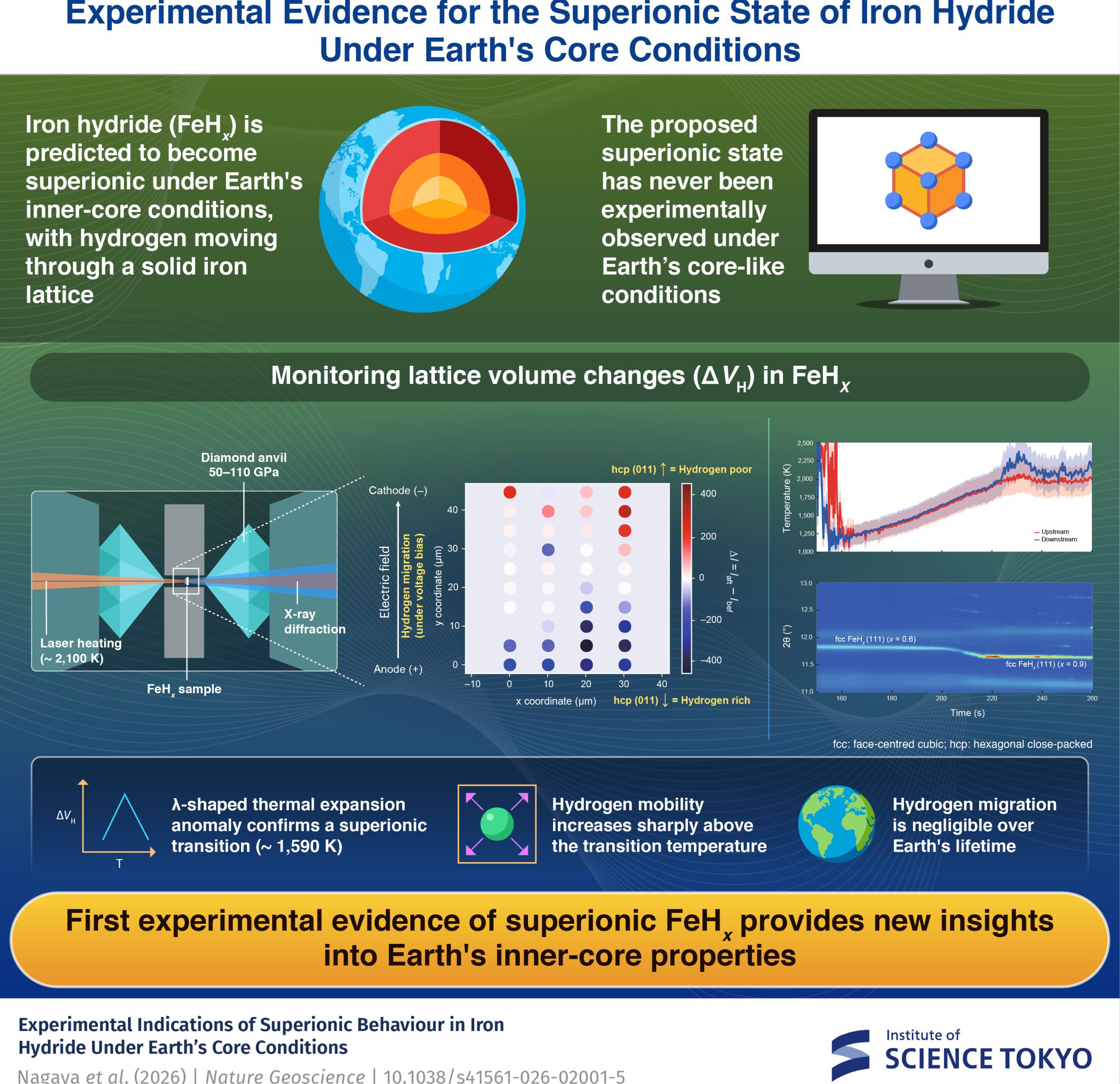
Earth’s Inner Core May Hide a Strange State of Matter

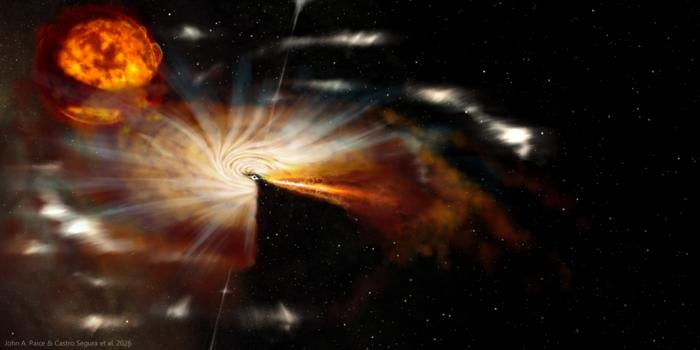
Astronomers Catch Black Hole Spewing Matter After Feeding

Two Opposing Quantum Particles Could Form a Bizarre New Kind of Matter

New quantum computing method broadens spectroscopy of hard-to-model matter

Iron hydride enters an exotic state of matter under Earth’s inner-core conditions

Gluons may play a central role in baryon number conservation—and matter's stability

After 50 Years, Physicists Find Strong Evidence For What Really Holds Matter Together