Galaxy

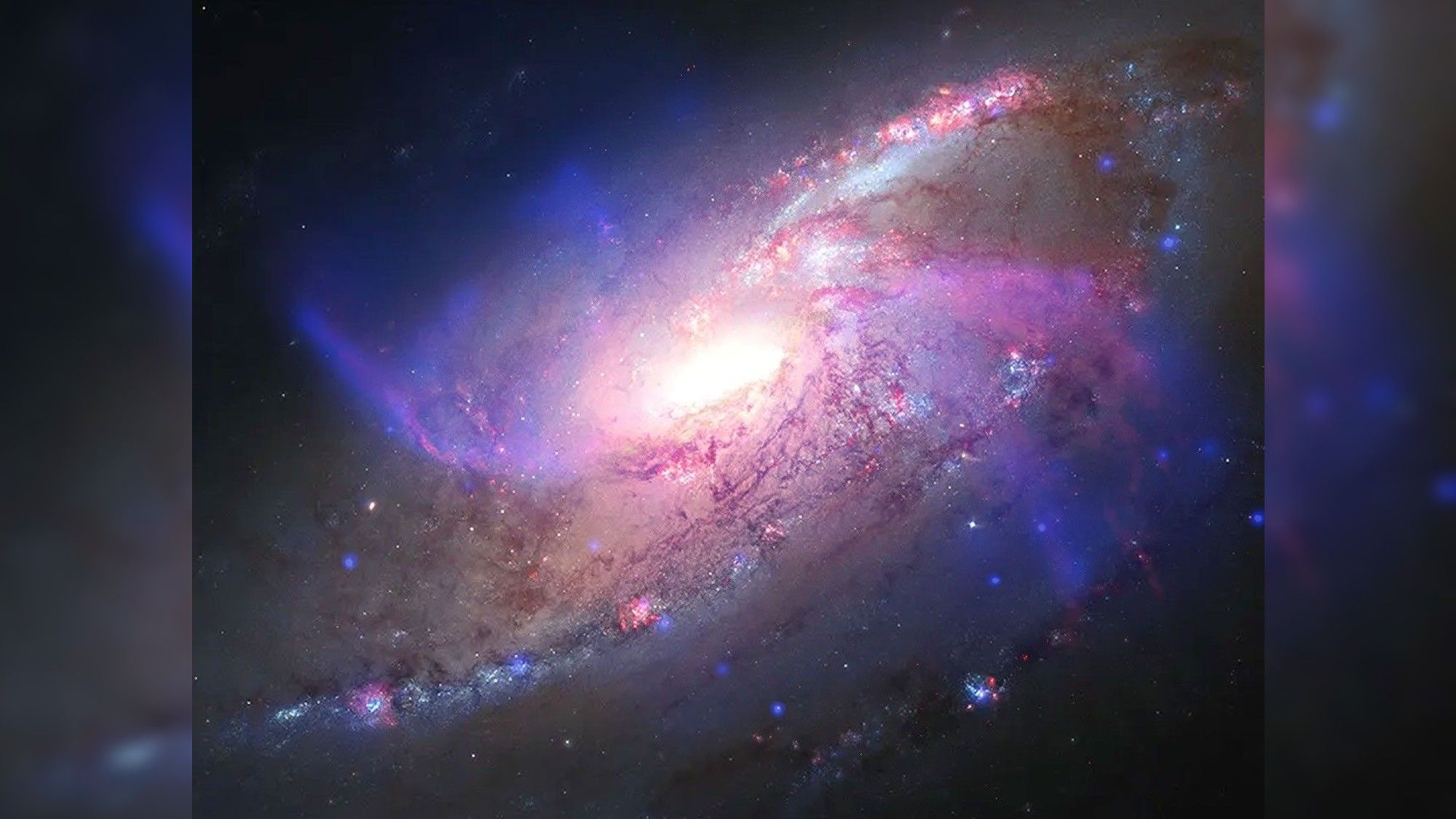
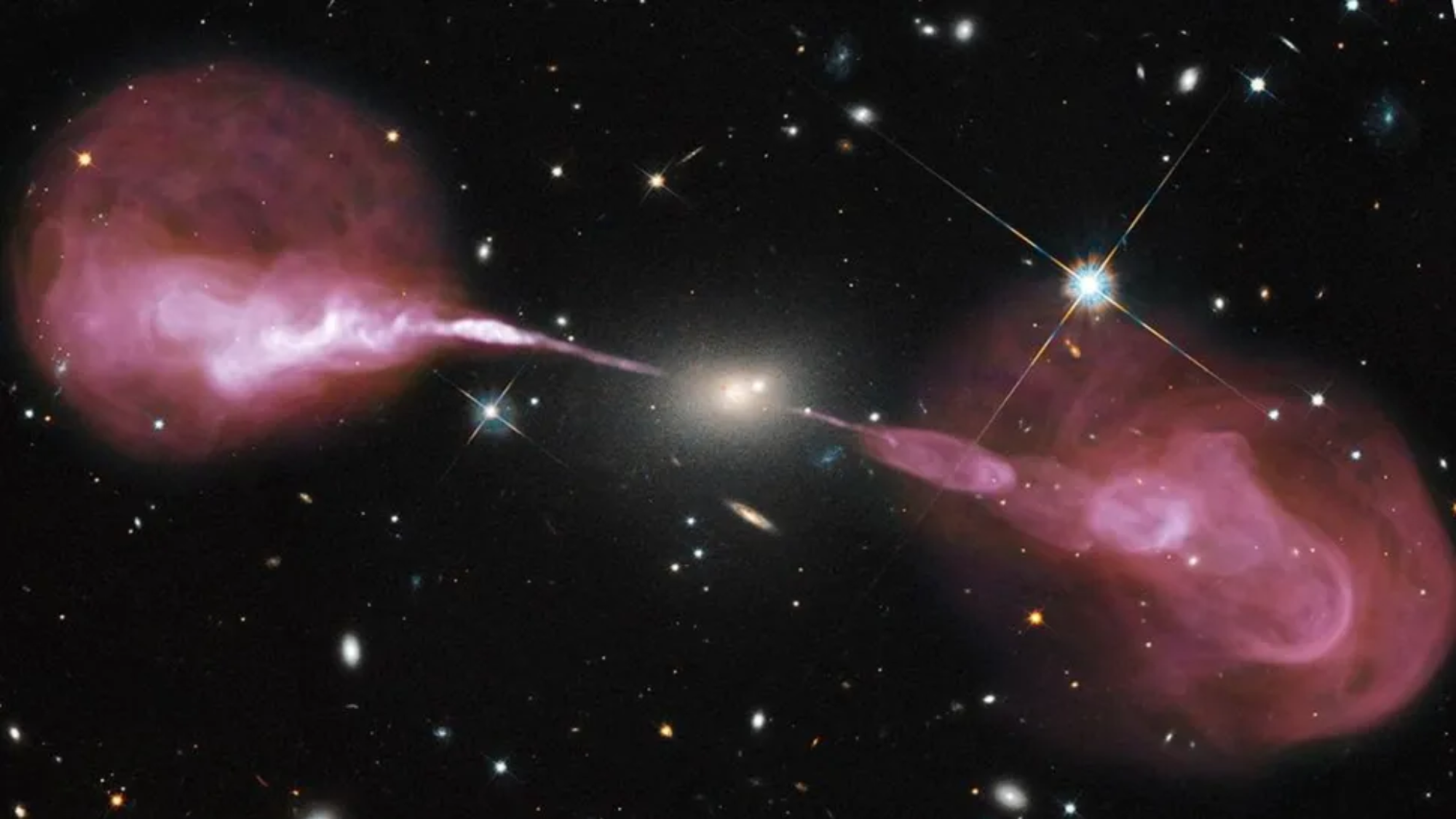
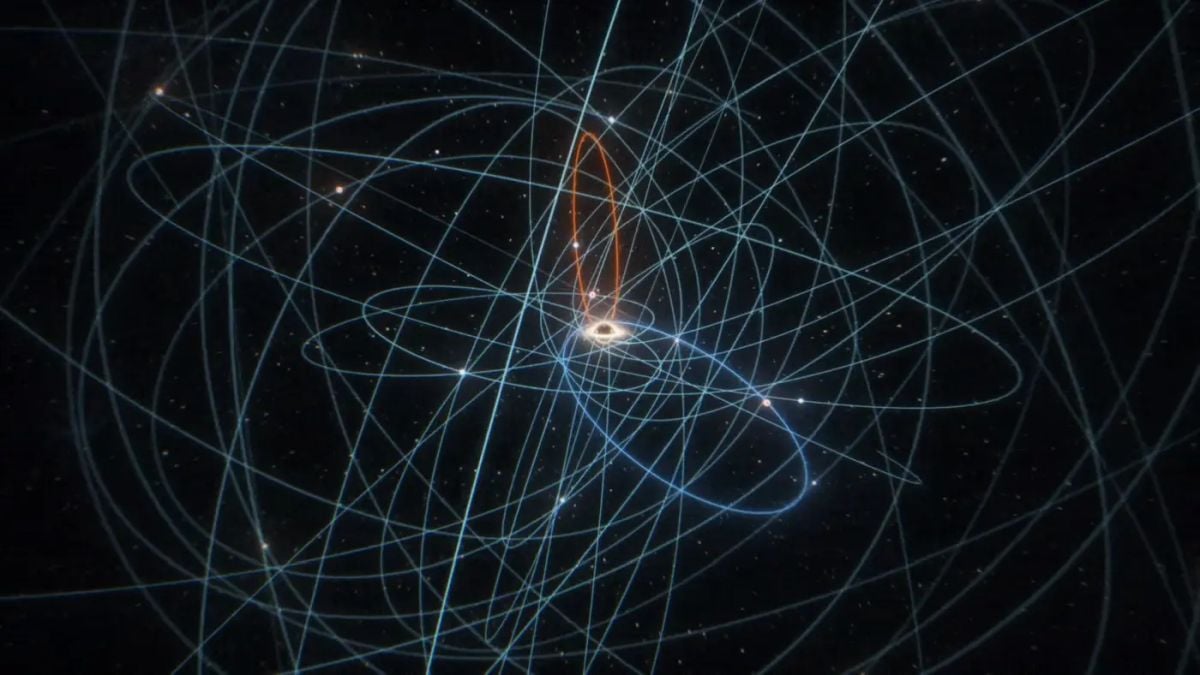
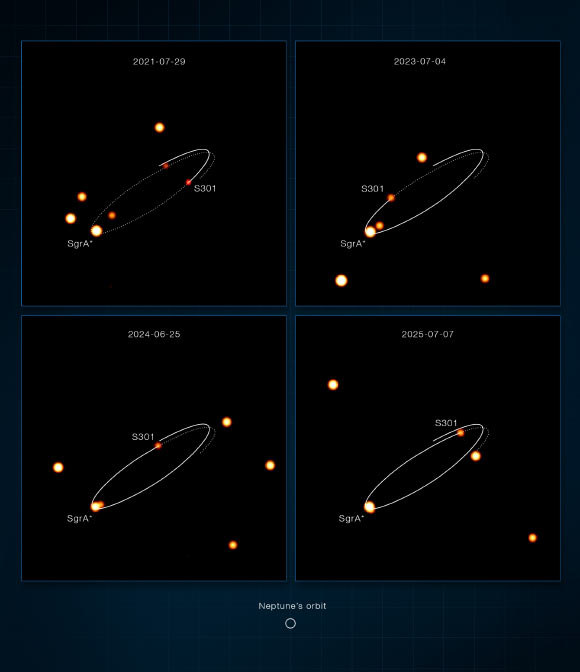
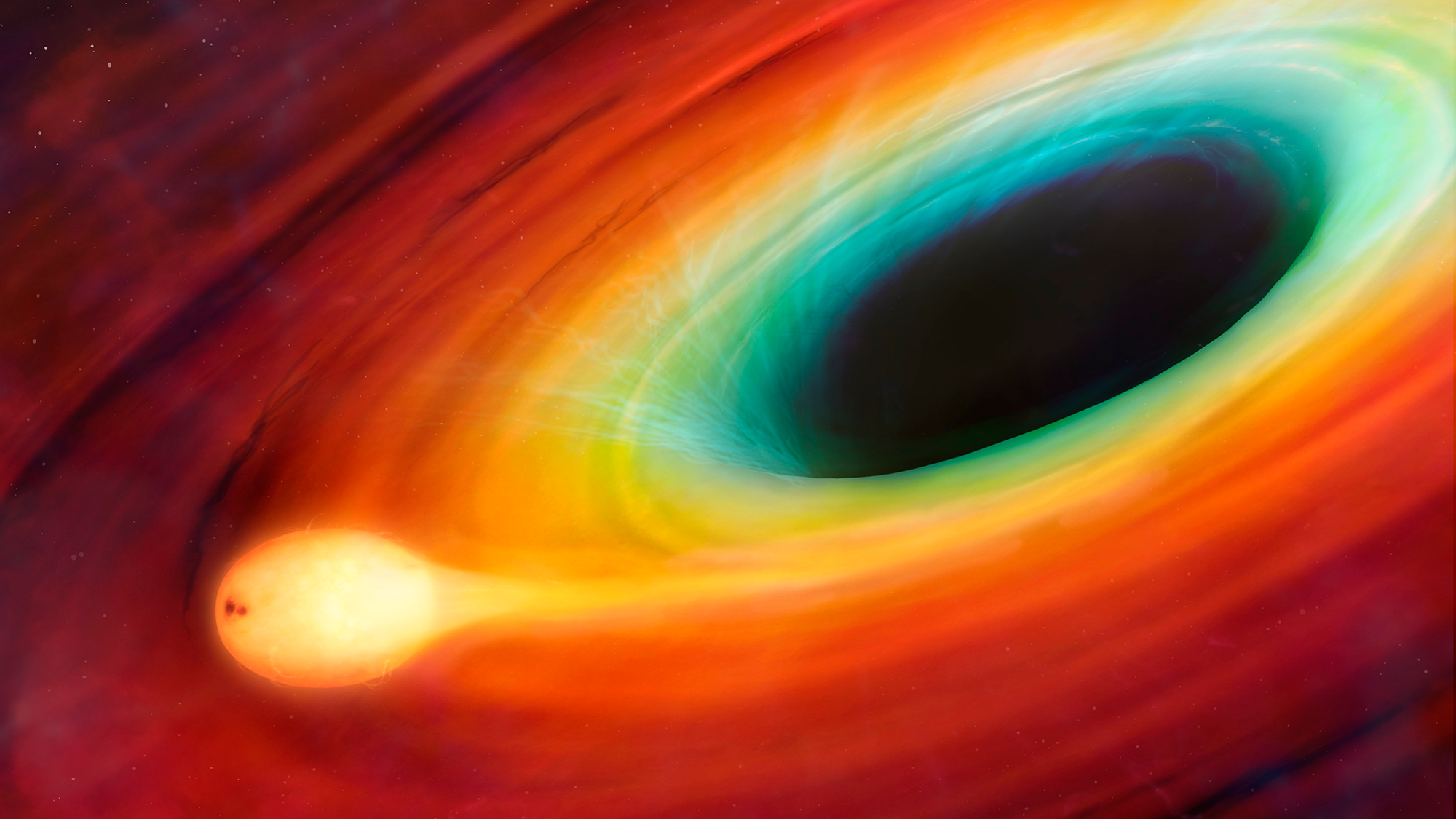
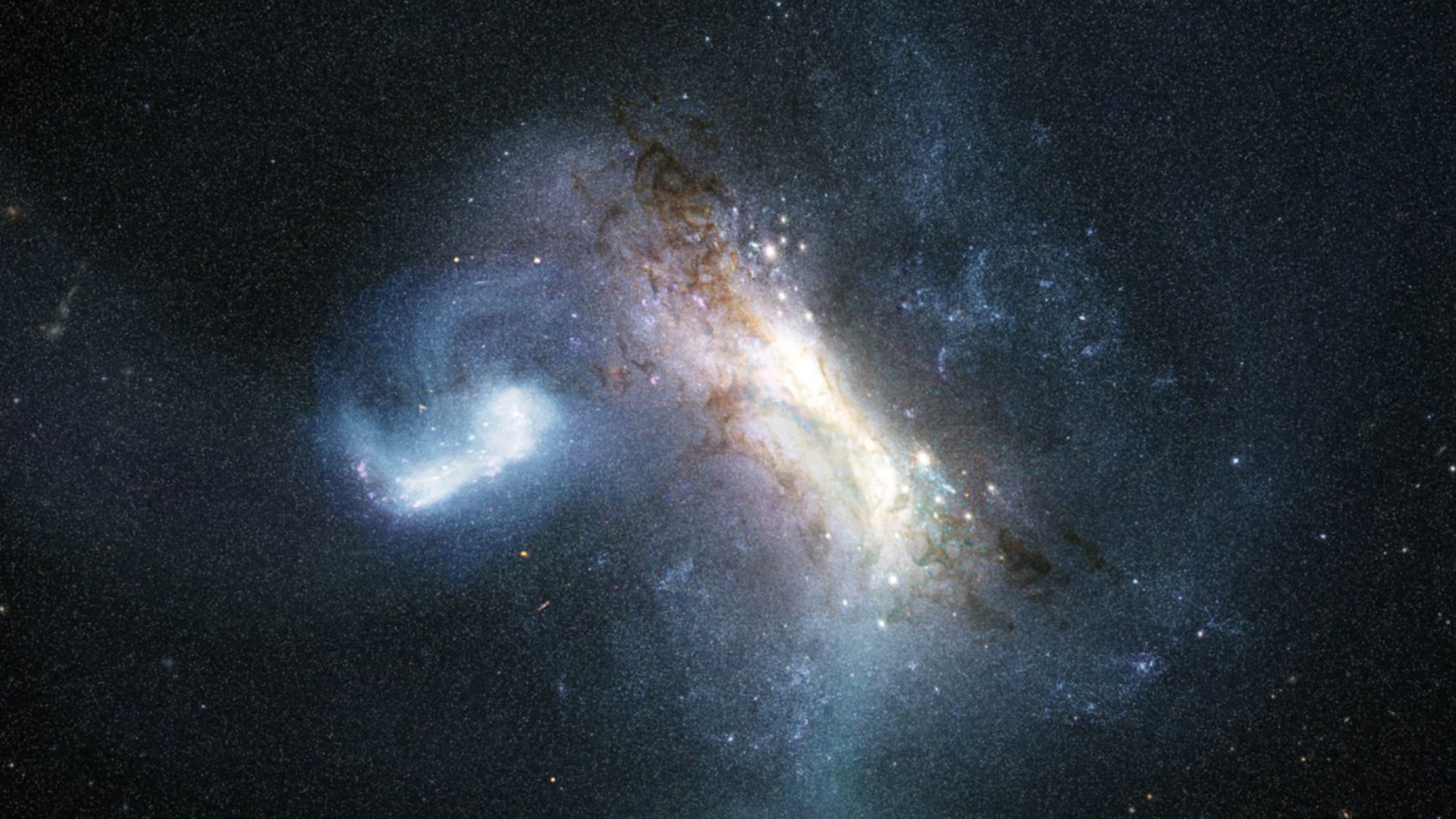
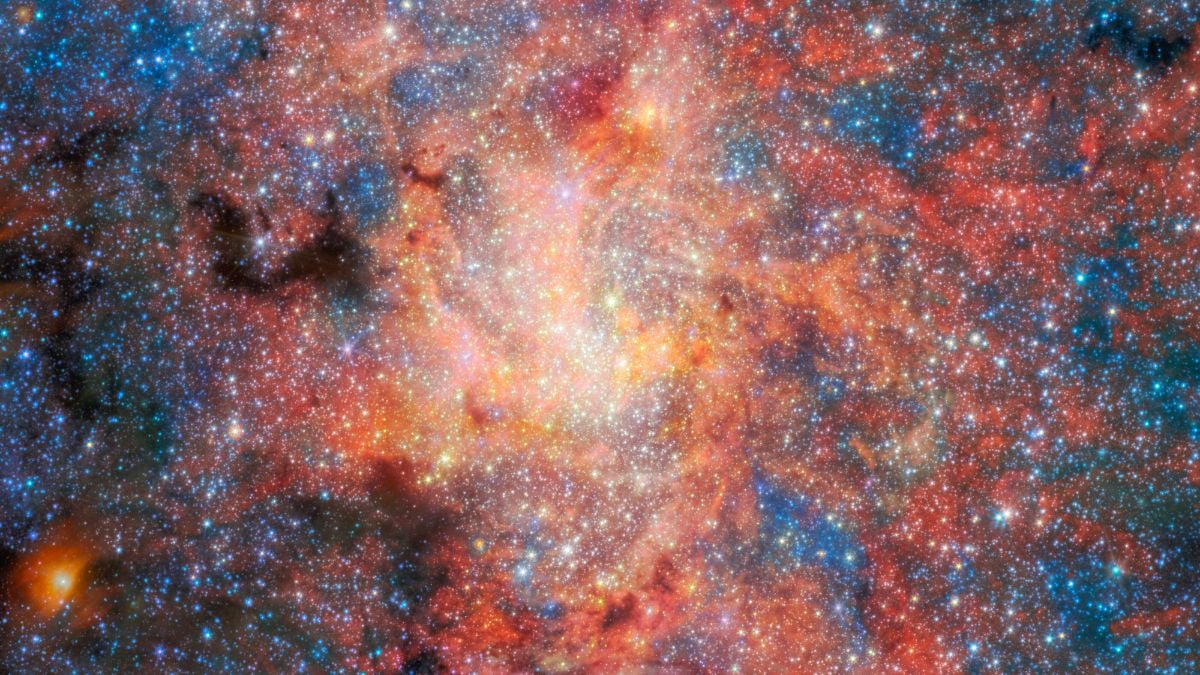
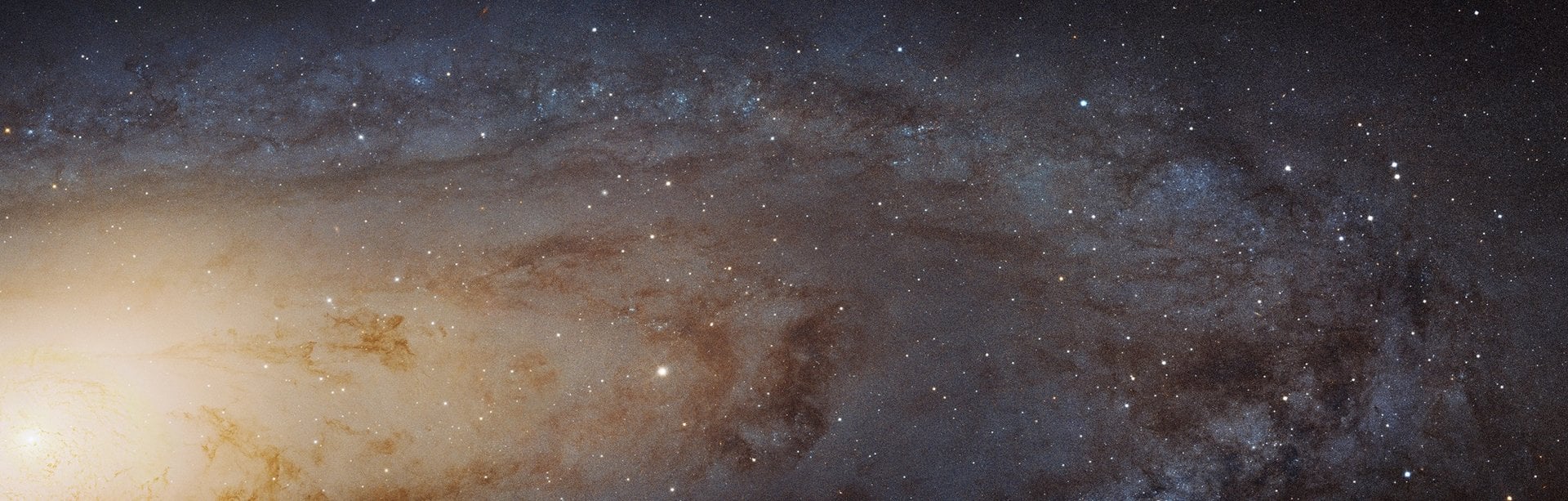
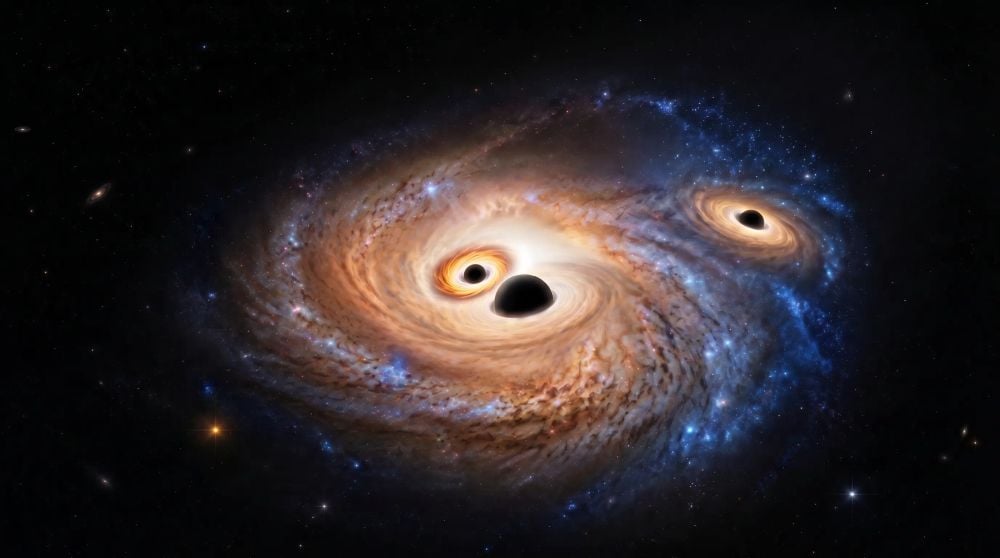
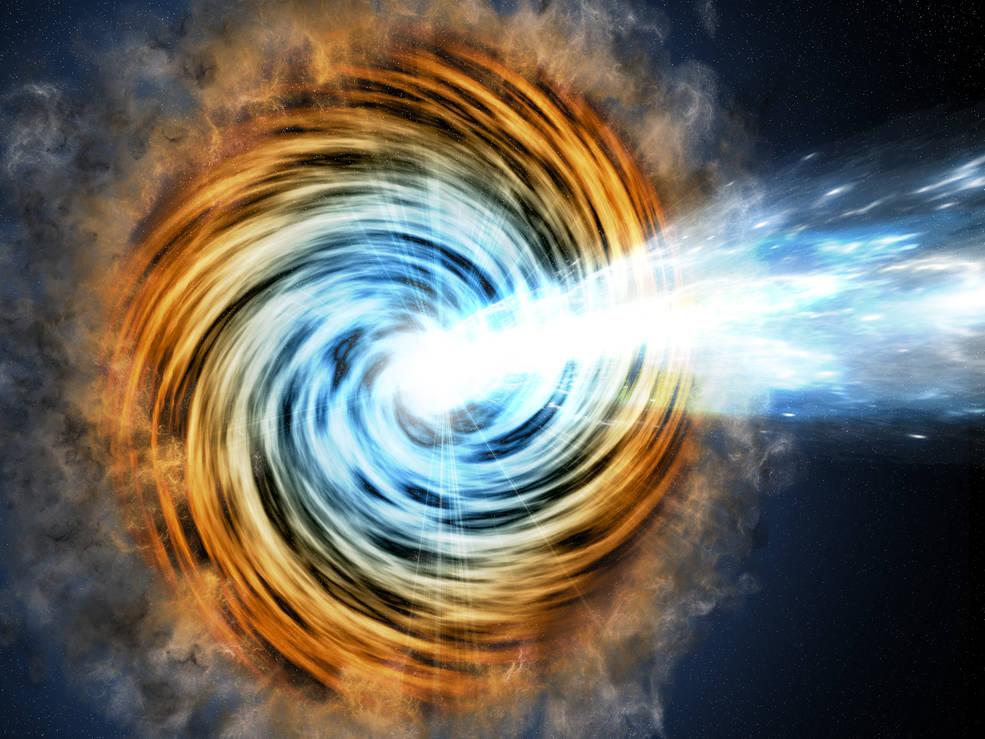
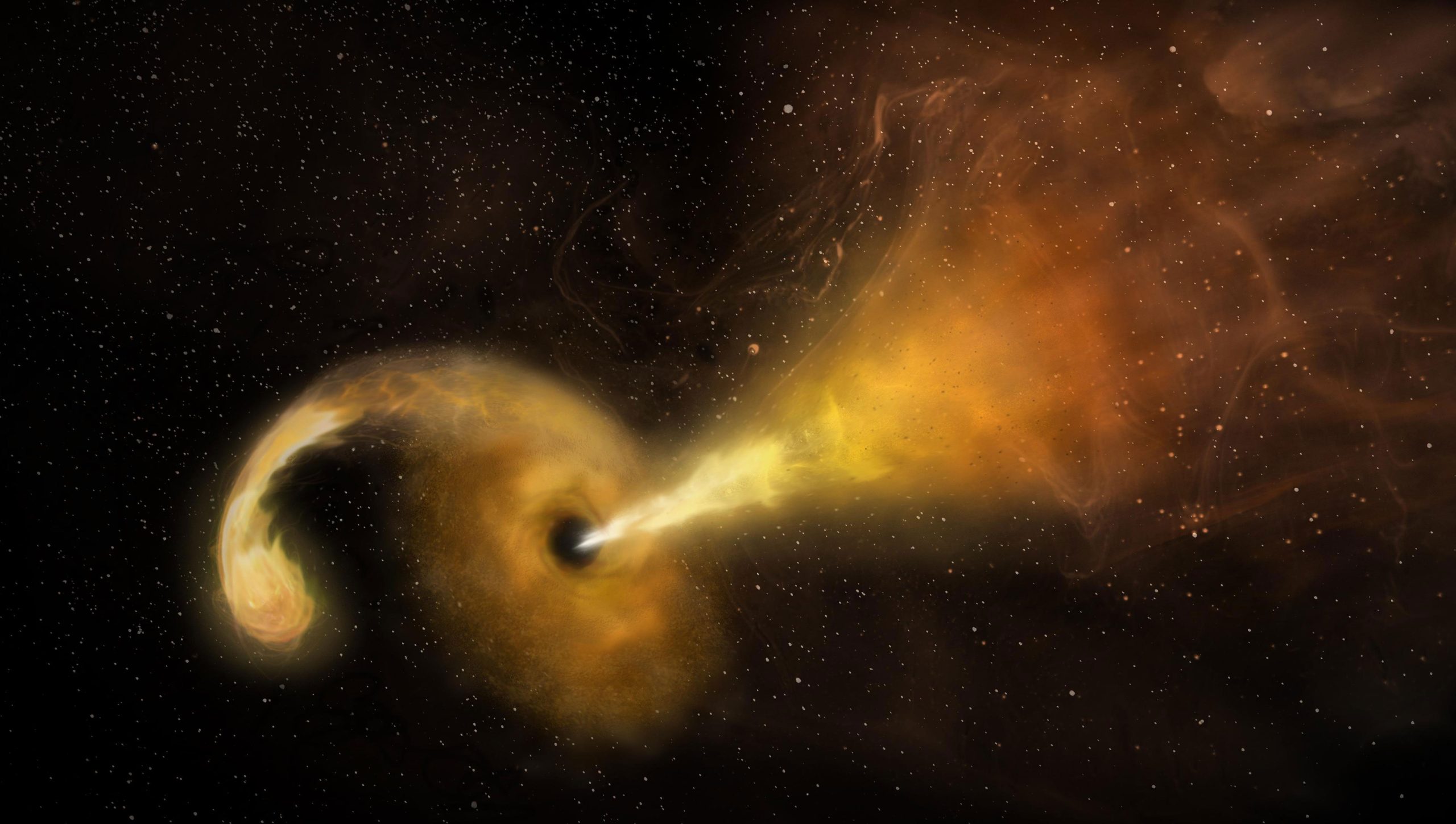
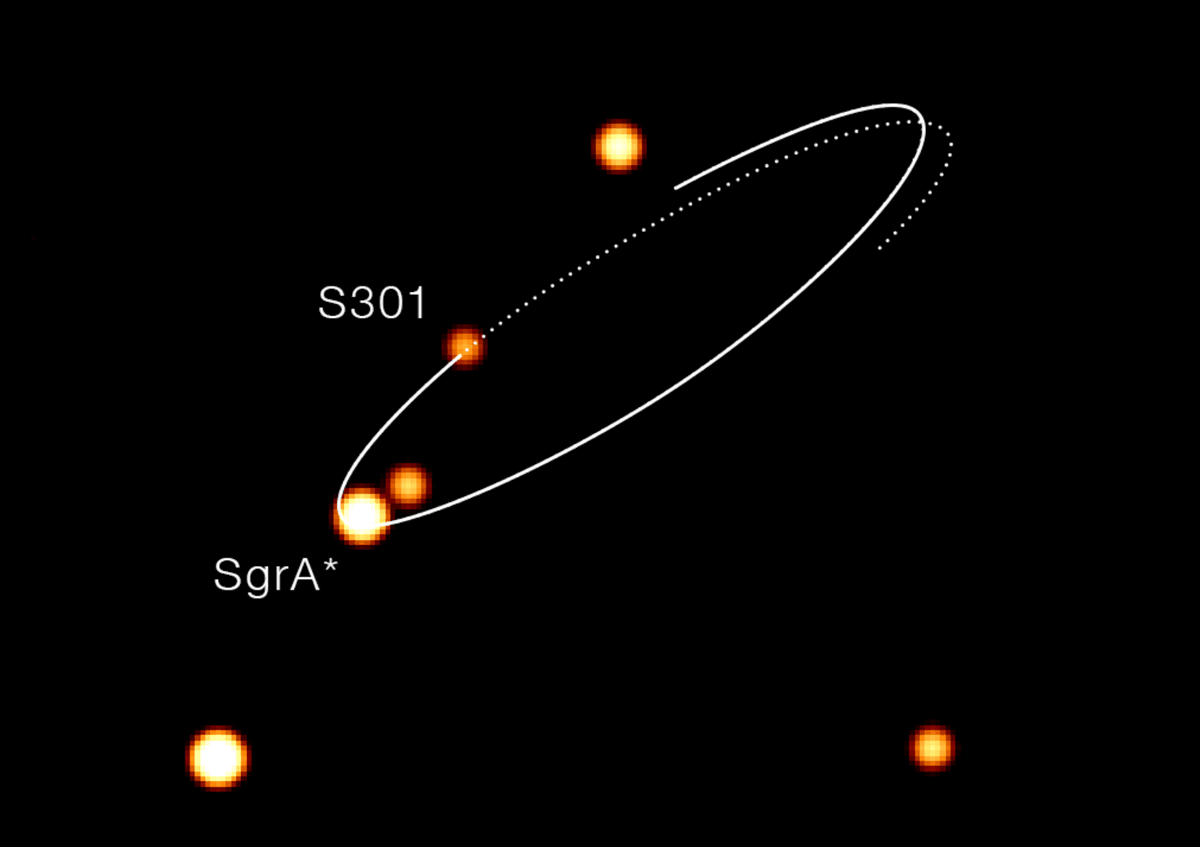
A galaxy is a system of stars, stellar remnants, interstellar gas, dust, dark matter, bound together by gravity. The word is derived from the Greek galaxias, literally 'milky', a reference to the Milky Way galaxy that contains the Solar System. Galaxies, averaging an estimated 100 million stars, range in size from dwarfs with less than a hundred million stars, to the largest galaxies known – supergiants with one hundred trillion stars, each orbiting its galaxy's center of mass. Most of the mass in a typical galaxy is in the form of dark matter, with only a few percent of that mass visible in the form of stars and nebulae. Supermassive black holes are a common feature at the centres of galaxies. Galaxies are categorized according to their visual morphology as elliptical, spiral, or irregular. Many are thought to have supermassive black holes at their centers. The Milky Way's central black hole, known as Sagittarius A, has a mass four million times greater than the Sun.
Read more in the app

Lasers take aim at a galaxy far, far away | Space photo of the day for May 4, 2026

Our Milky Way's 'Zone of Avoidance' holds a galaxy supercluster with 30,000 trillion times the sun's mass

Hubble Captures Spiral Galaxy Packed with Brilliant Star Clusters: NGC 3137

What is the Most Common Type of Planet in the Galaxy?

JWST discovers ‘red monster’ galaxy that challenges astronomers’ understanding of the early universe

Our Galaxy Has a Hot Side and Now We Know Why

DECam's New Image of the Sombrero Galaxy: A Portrait of Ancient Mergers

Astronomers find a black hole so massive its galaxy may never stay balanced

The Stars Feeding our Galaxy’s Monster

How a Black Hole and a Shredded Star Could Light Up a Galaxy

Comet Tracker: See Pan-STARRS And A Galaxy On Friday As Finale Nears

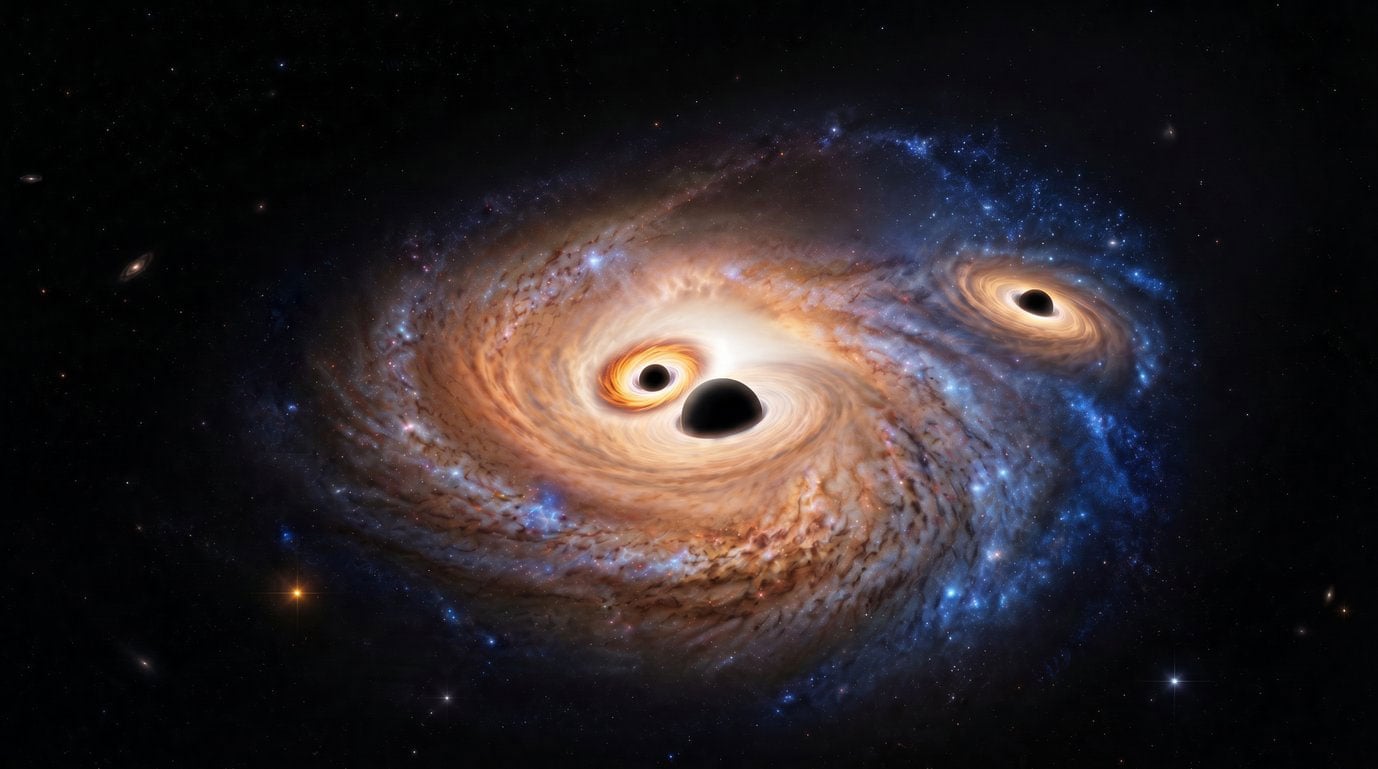
Two Monsters, One Galaxy, and a Collision 100 Years Away!

A galaxy seems to host two giant black holes, poised to collide in a century

Galaxy starves its supermassive black hole, loses 95% of its brightness

Astronomers Find a Third Galaxy Missing Its Dark Matter, Validating a Violent Cosmic Collision Theory

NASA reveals that the Milky Way's Enormous 4 Million Solar Mass Black Hole has a predicted "Awakening" in about 2 billion years, triggered by the future collision and merger of the Large Magellanic Cloud with our galaxy.

Black Hole Runs Out of Gas, Rapidly Dims its Galaxy

How Plants Could Betray Themselves Across the Galaxy

Astronomers reconstruct a galaxy’s 12-billion-year history using chemical clues

Image: NASA's Hubble and Webb Telescopes survey the Pinwheel Galaxy