Dark Matter

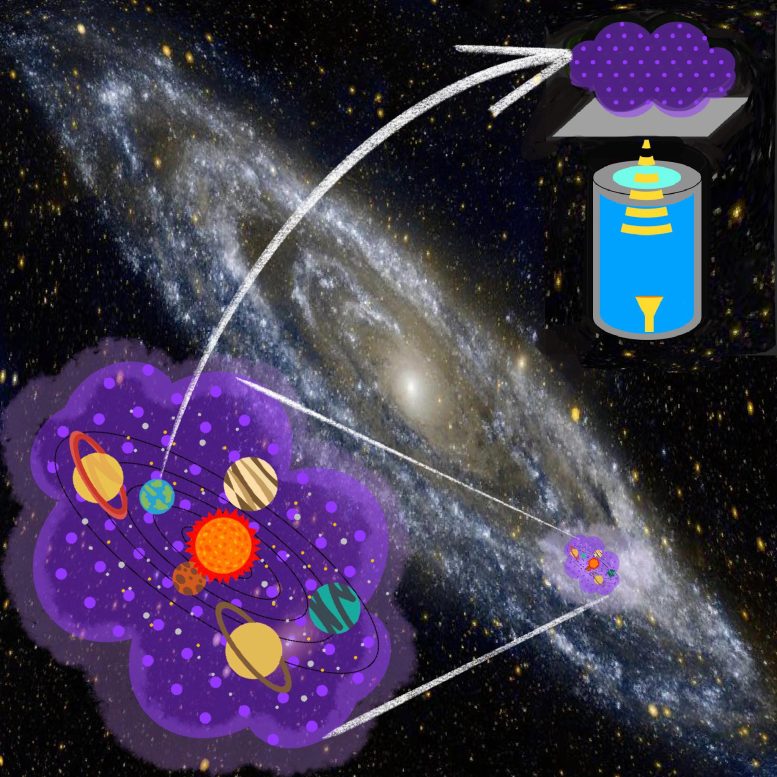
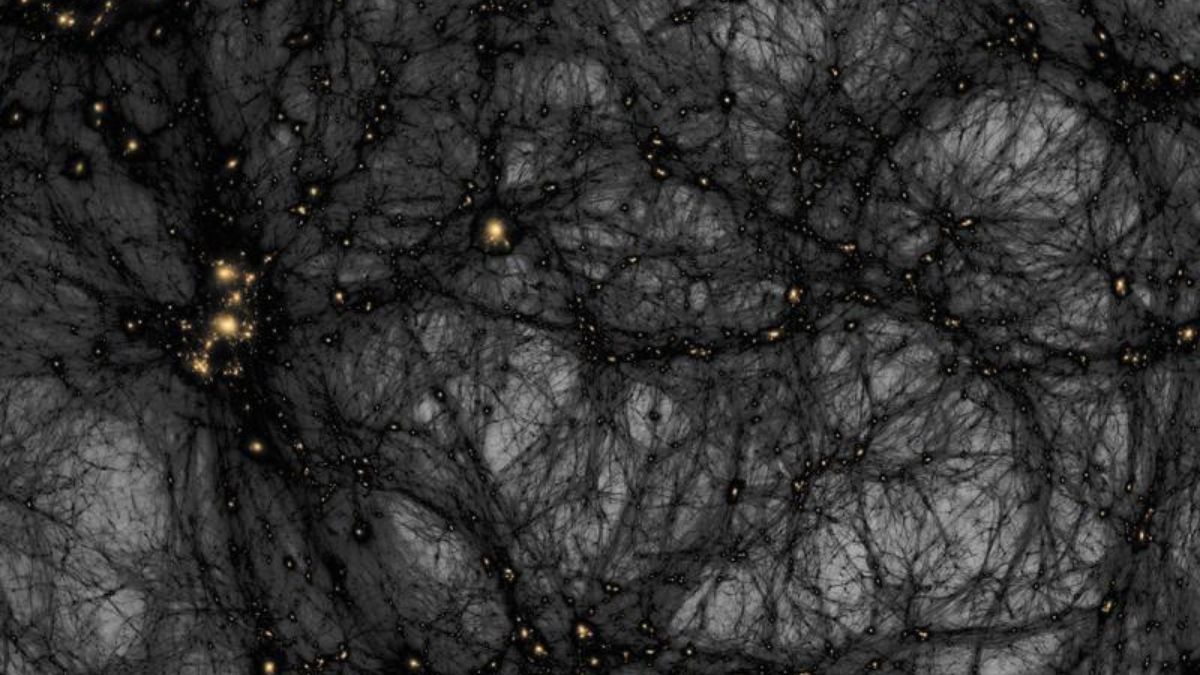
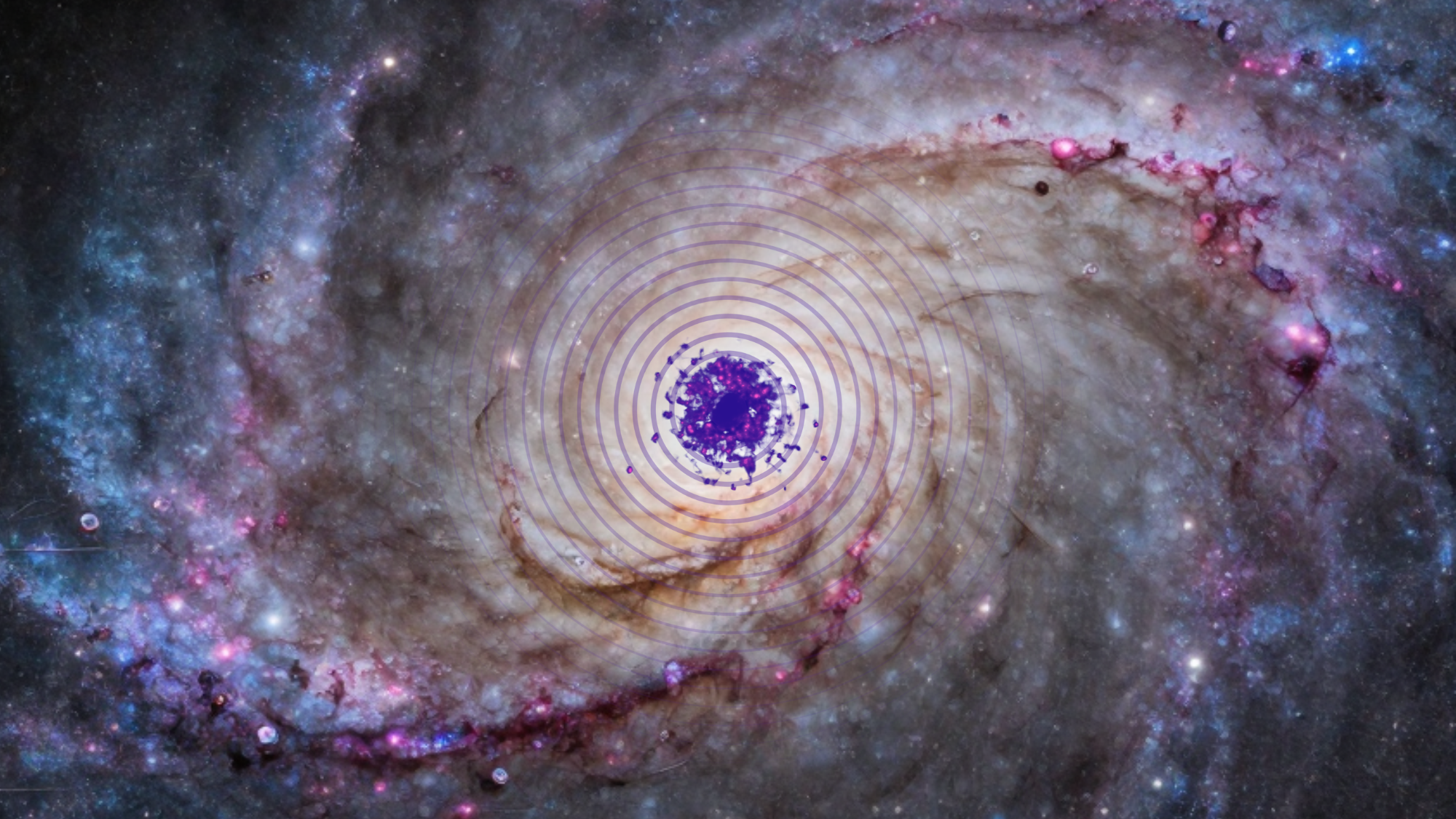
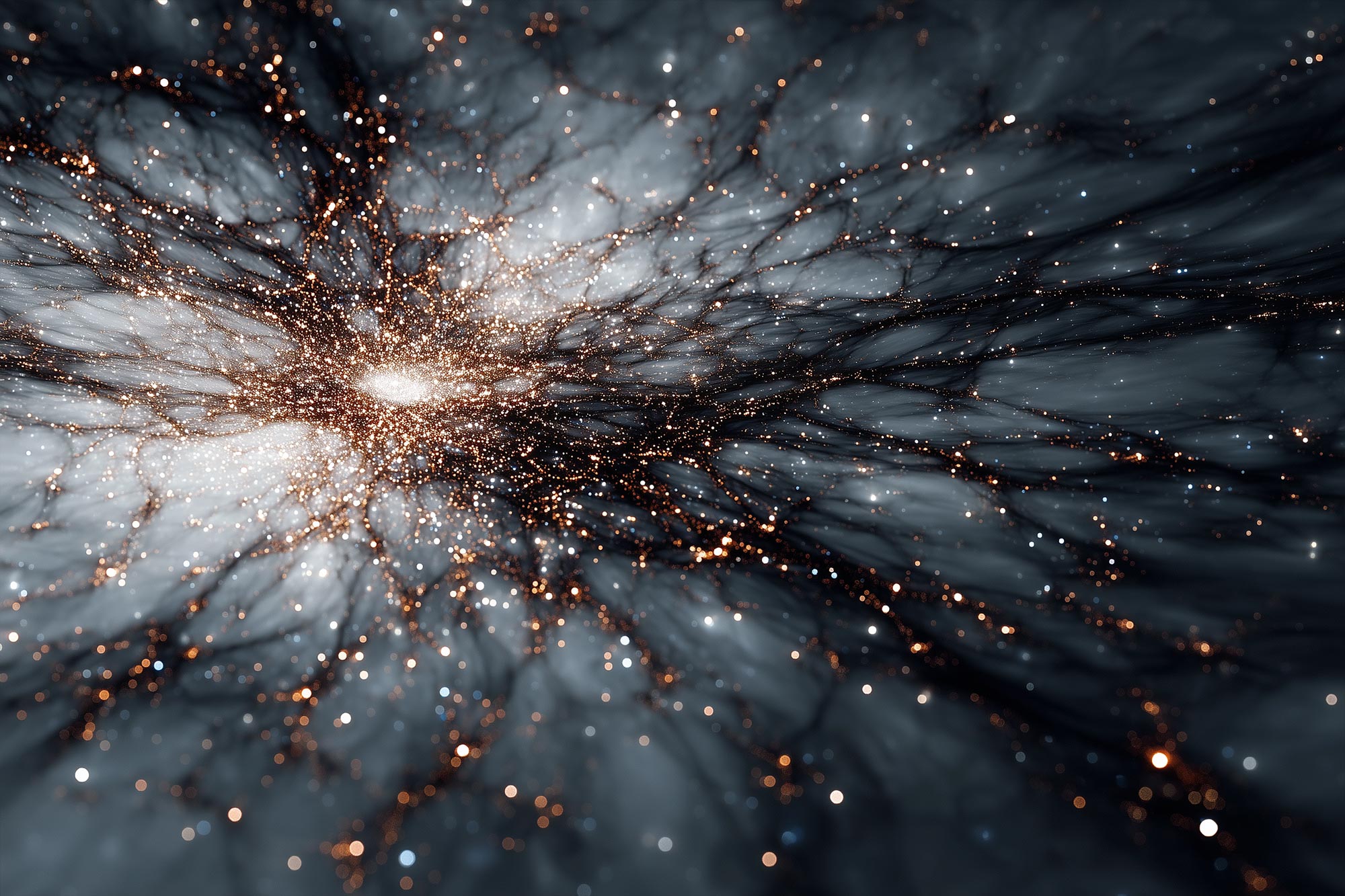
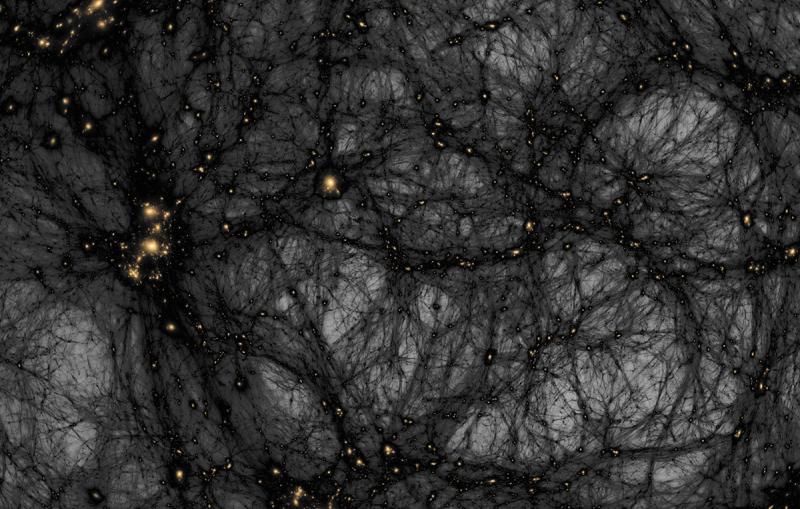
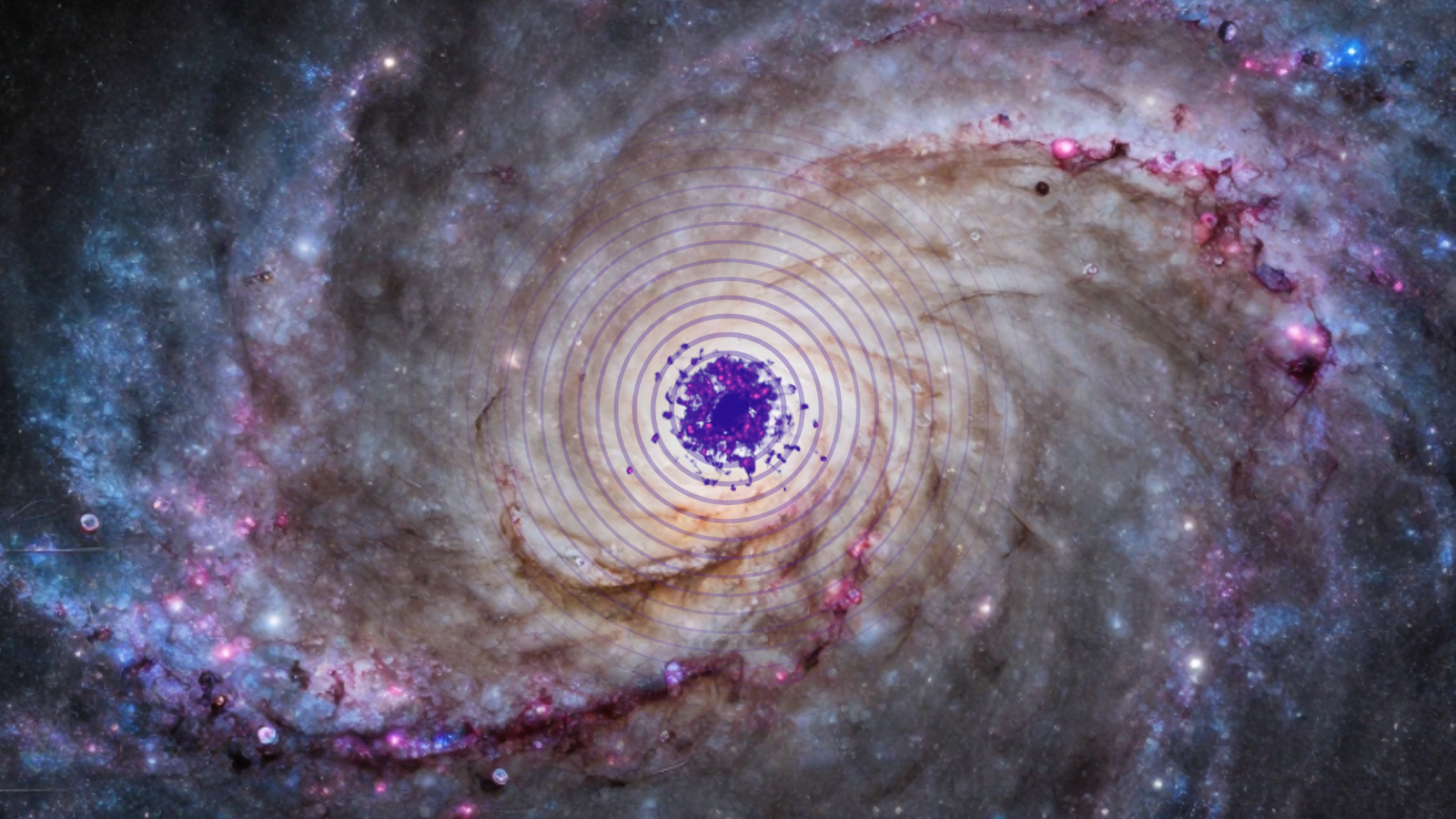
Dark matter is a hypothetical form of matter thought to account for approximately 85% of the matter in the universe. Dark matter is called "dark" because it does not appear to interact with the electromagnetic field, which means it does not absorb, reflect, or emit electromagnetic radiation and is, therefore, difficult to detect. Various astrophysical observations – including gravitational effects which cannot be explained by currently accepted theories of gravity unless more matter is present than can be seen – imply dark matter's presence. For this reason, most experts think that dark matter is abundant in the universe and has had a strong influence on its structure and evolution. The primary evidence for dark matter comes from calculations showing that many galaxies would behave quite differently if they did not contain a large amount of unseen matter. Some galaxies would not have formed at all and others would not move as they currently do.
Read more in the app

Dark Matter May Have a Secret, Extra Force That Doesn't Work The Way We Expect

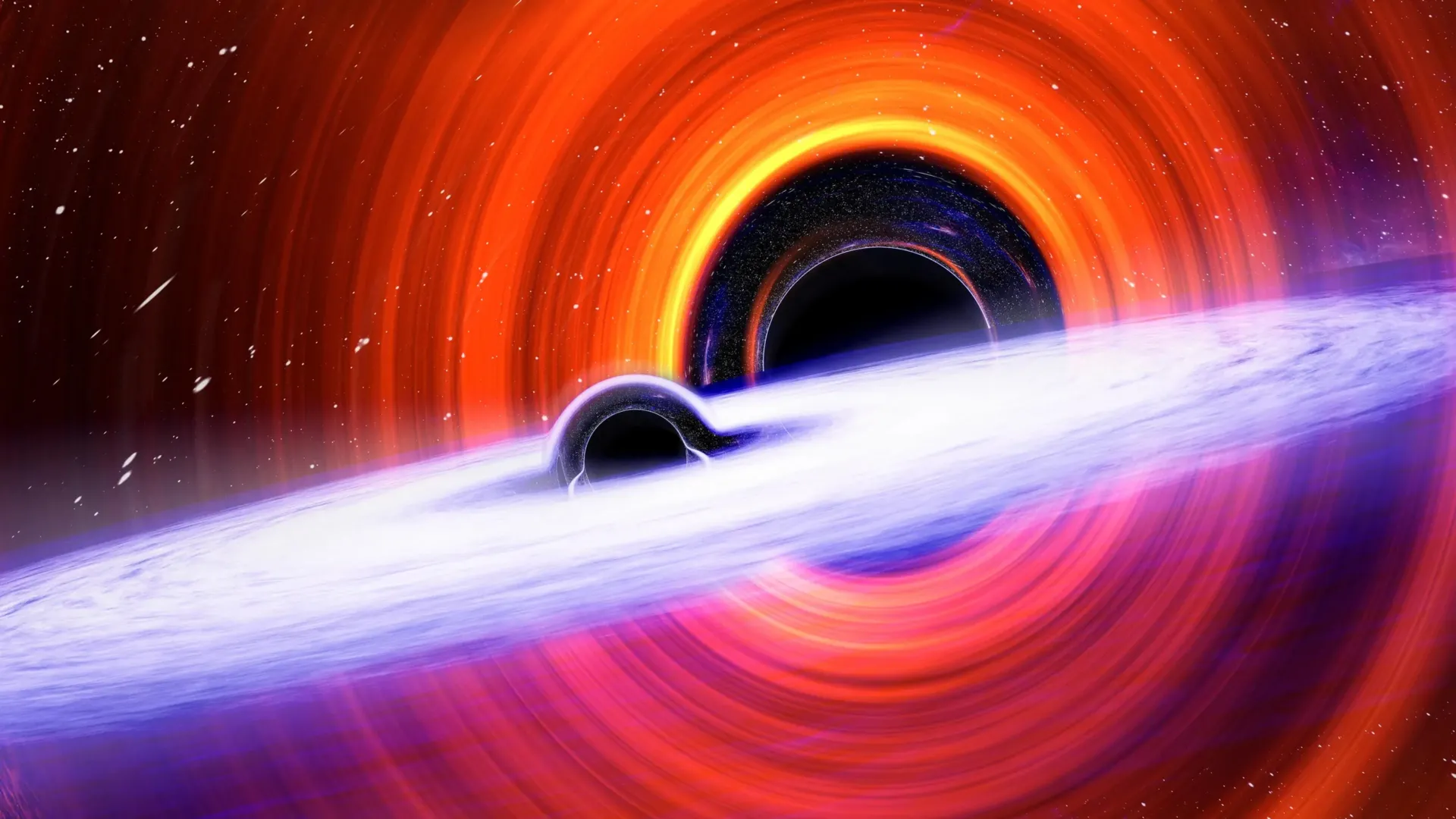
Black holes older than the Big Bang could explain dark matter

Dark Matter May Be Leaving a Signal in Earth’s Atmosphere

The 'Dark Matter' season 2 trailer is here, and it looks like Apple TV has another sci-fi hit on its hands

Searching for dark matter with the world's biggest detector - EurekAlert!

There Might Be a Way to Observe Dark Matter Decaying Into Gravity Particles

Dark matter’s secret force does the opposite of what scientists expected

The Large Hadron Collider May Already Have Detected Hints of Dark Matter

Dark Matter’s Secret Force Could Reshape Our Understanding of the Universe

Is dark matter 'tuned in' to a hidden dimension?

Scientists Have Found Evidence That Dark Matter May Not Be Playing by the Rules

A New Study into Dark Matter in the Bullet Cluster Could Disprove its Existence

A strange LIGO signal could reveal the missing link behind dark matter

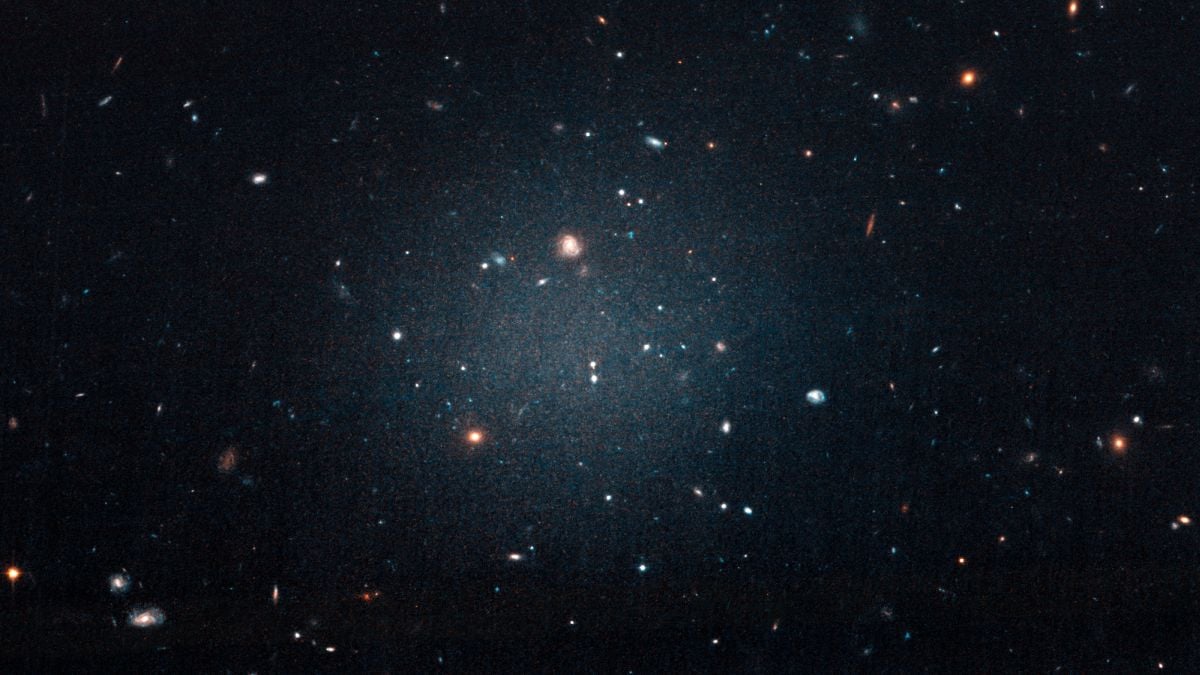
Astronomers Discover Another Galaxy With No Dark Matter

How tabletop detectors are helping physicists search for gravitational waves and dark matter

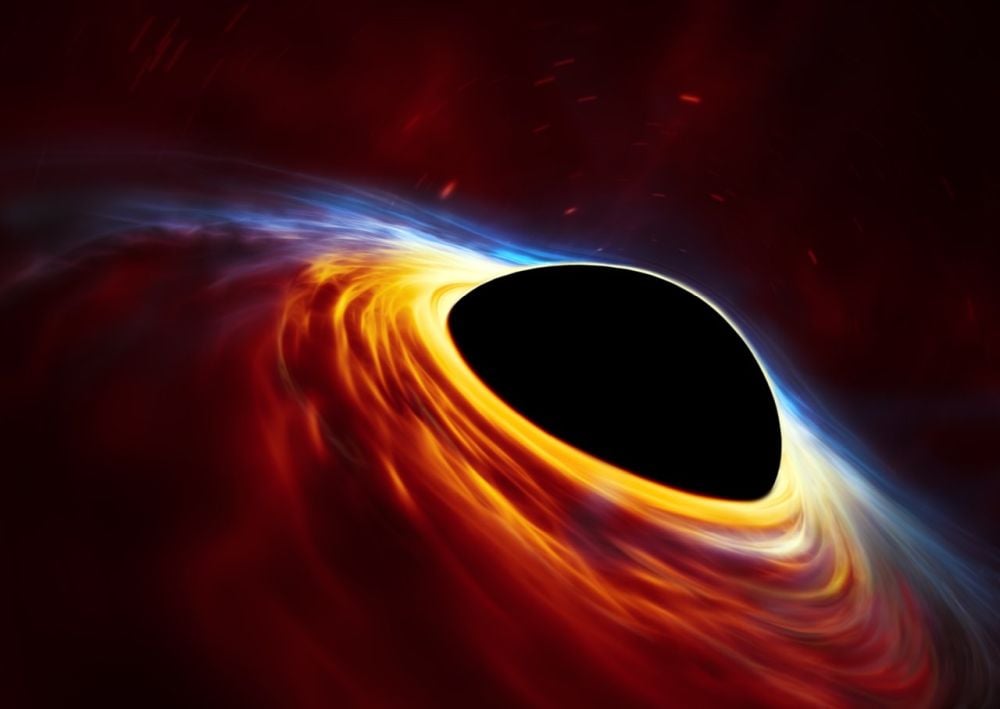
Echoing Light Shows That Dark Matter May Gather Around Supermassive Black Holes

NASA's Nancy Grace Roman Space Telescope arrives in Florida ahead of launch. The observatory will survey the sky about 1,000 times faster than Hubble with a field of view at least 100 times wider, helping scientists study dark matter, dark energy, and exoplanets.

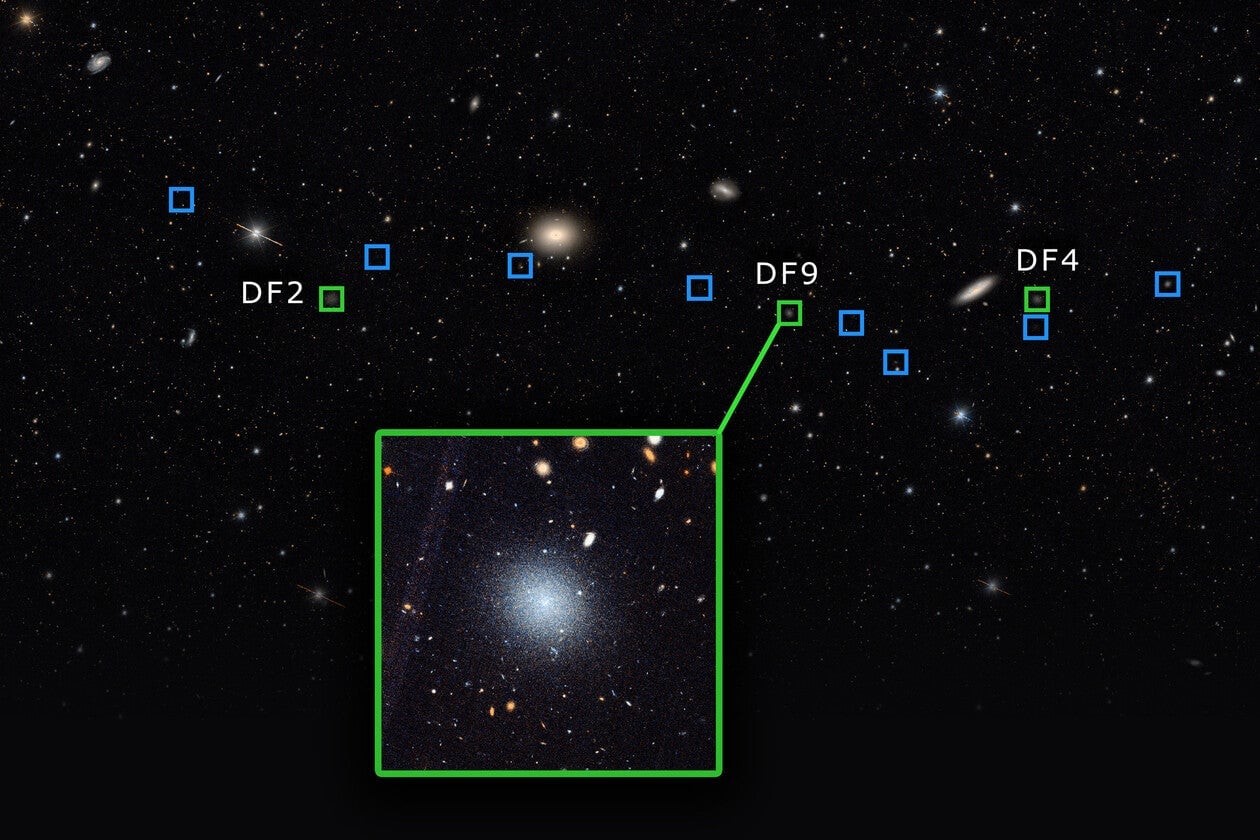
Third time’s the charm for a row of faint galaxies without dark matter - EurekAlert!

A mysterious gamma-ray stream comes from the Milky Way's center. Could dark matter have something to do with it?

It's Official: Third Galaxy Found With No Dark Matter May Solve an Epic Mystery