CRISPR

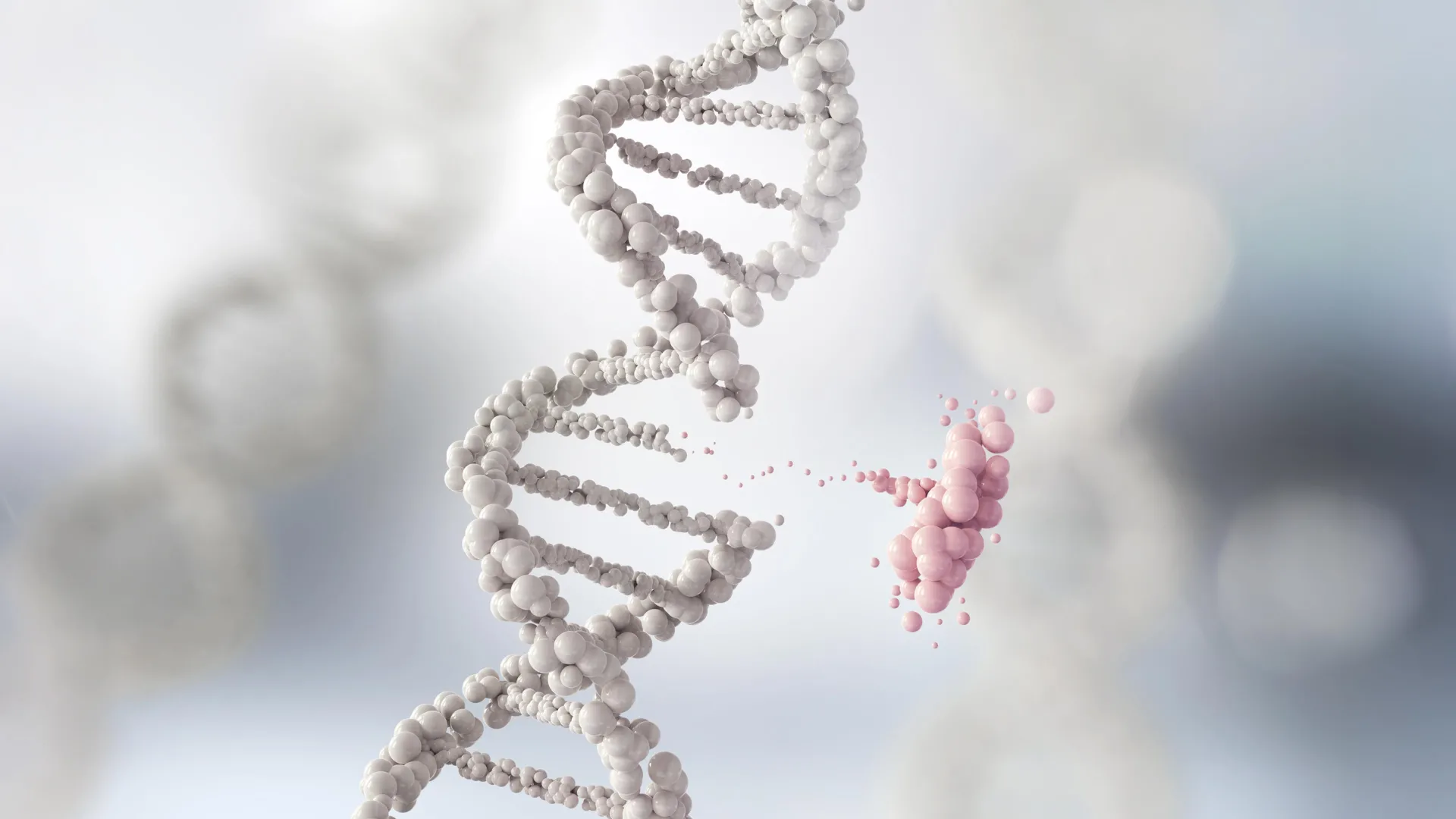
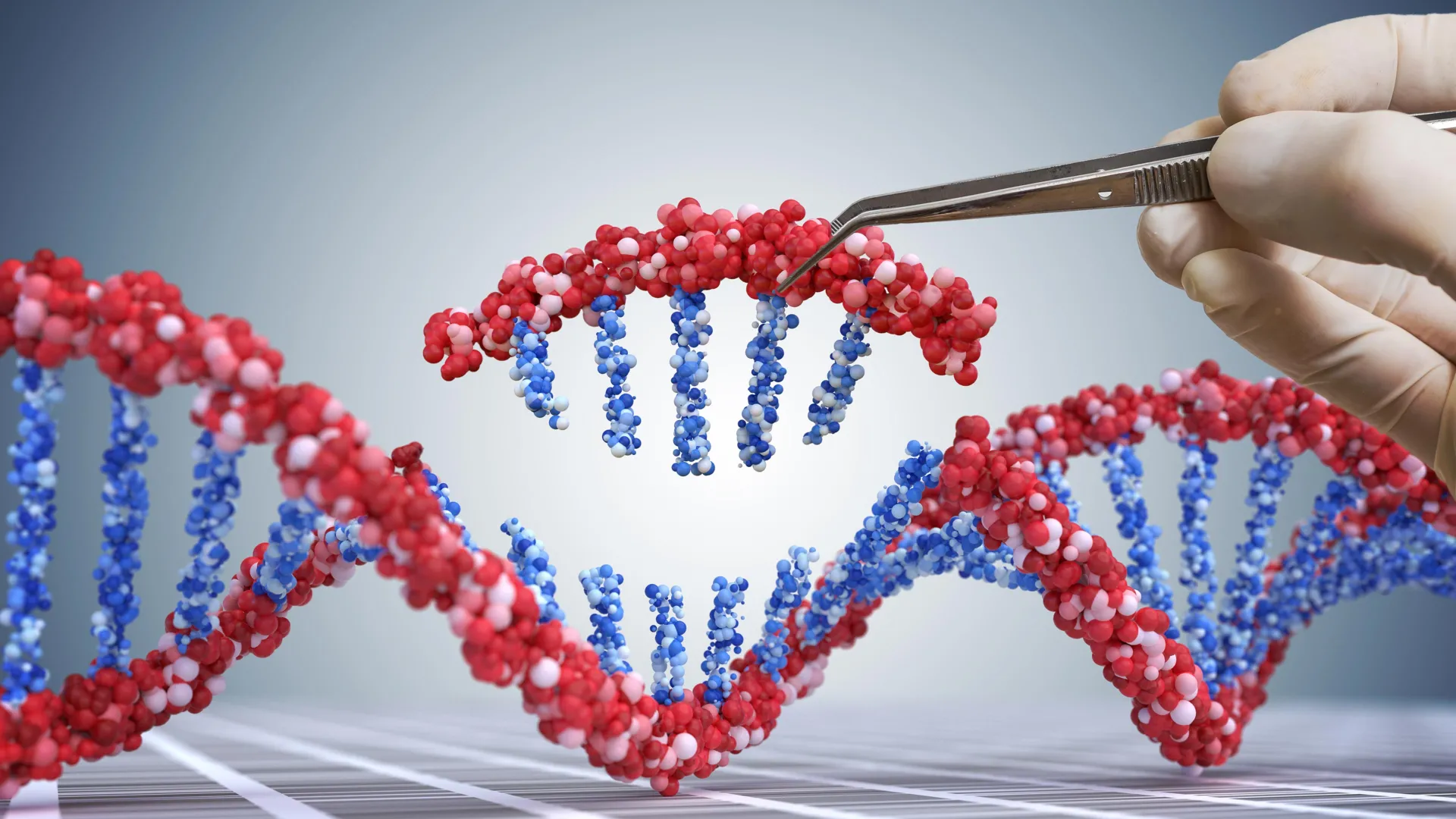
CRISPR () (an acronym for clustered regularly interspaced short palindromic repeats) is a family of DNA sequences found in the genomes of prokaryotic organisms such as bacteria and archaea.

Read more in the app

CRISPR unlocks a new path to stronger medicinal plants - EurekAlert!

CRISPR Meets Caffeine: Scientists Develop New Approach to Cancer Treatment

CRISPR grapefruit without the bitterness are now in development

Scientists use AI to develop a precise, safe and fast way to keep CRISPR technology in-check - EurekAlert!

How CRISPR technology facilitates rapid on-site detection of animal pathogens? - EurekAlert!

USU chemists' CRISPR discovery could lead to single diagnostic test for COVID, flu, RSV - EurekAlert!

Flu Is Relentless. Crispr Might Be Able to Shut It Down

Gene-edited babies are the future – but these CRISPR start-ups aren’t

CRISPR Turns a Little-Known Fruit Into a Big Farming Opportunity

CRISPR primes goldenberry for fruit bowl fame - EurekAlert!

CRISPR wheat that makes its own fertilizer

CRISPR unlocks a new way to defeat resistant lung cancer

CRISPR brings back ancient gene that prevents gout and fatty liver

First-in-human trial of CRISPR gene-editing therapy safely lowered cholesterol, triglycerides - EurekAlert!

New virus-based CRISPR system accelerates heritable genome editing in tomato - EurekAlert!

CRISPR screen identifies new regulator of androgen receptor in prostate cancer - EurekAlert!

Small nuclear RNA base editing a safer alternative to CRISPR, UC San Diego researchers find - EurekAlert!

Crispr Offers New Hope for Treating Diabetes

Scientists just made CRISPR three times more effective

Hope for diabetes: CRISPR-edited cells pump out insulin in a person – and evade immune detection