COVID-19

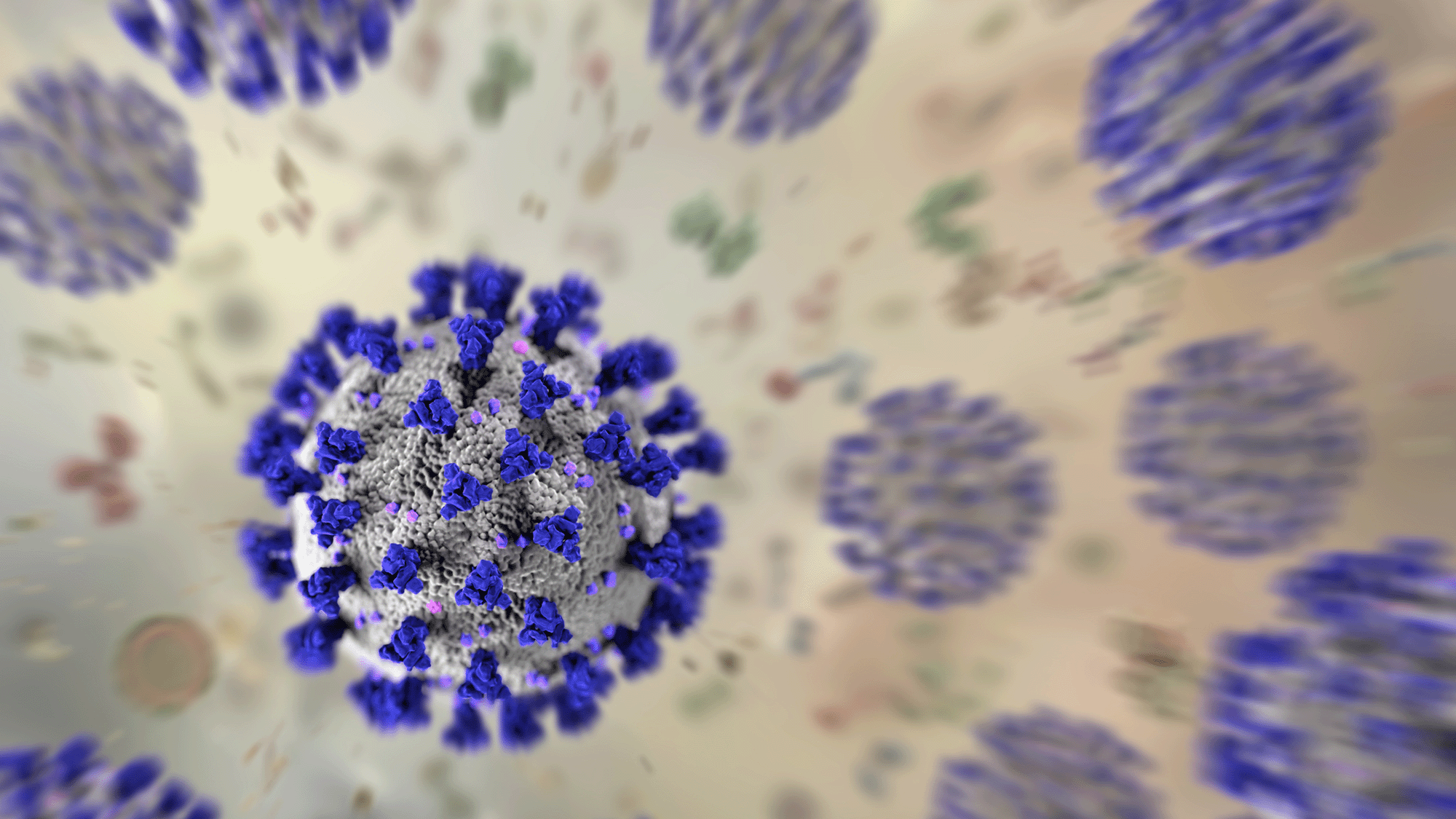
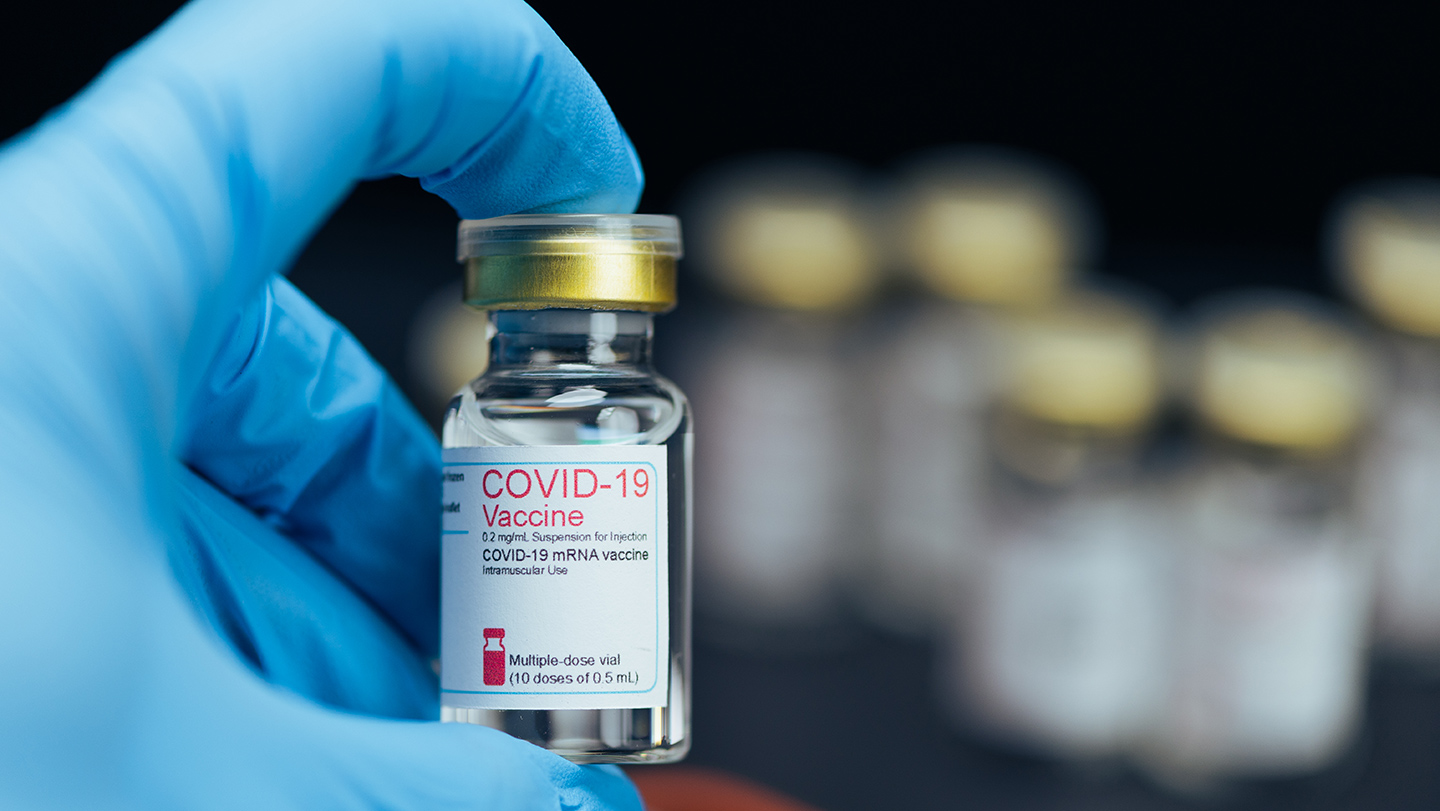
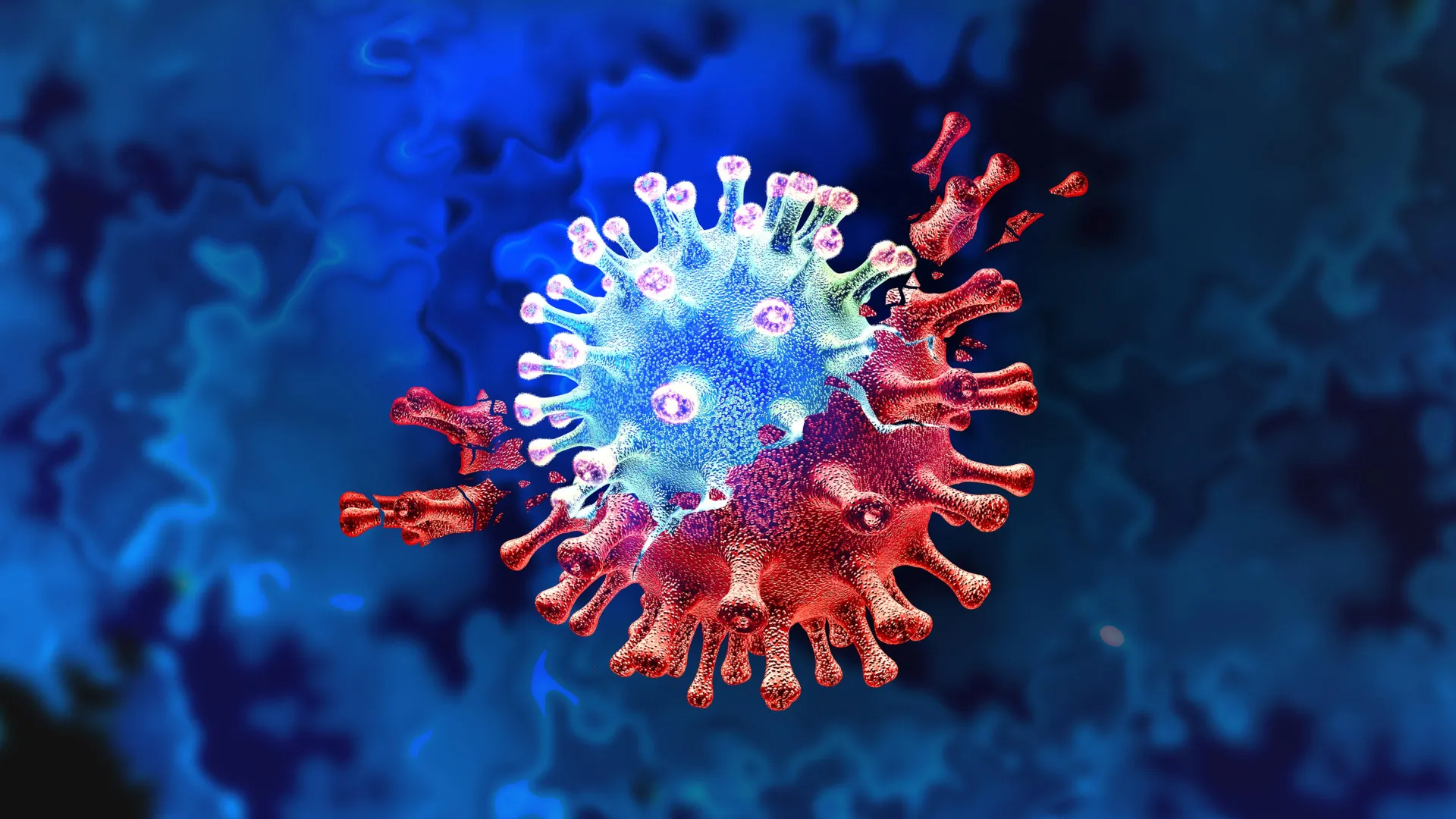
Coronavirus disease 2019 is a contagious disease caused by severe acute respiratory syndrome coronavirus 2. The first known case was identified in Wuhan, China, in December 2019. The disease has since spread worldwide, leading to an ongoing pandemic. Symptoms of COVID-19 are variable, but often include fever, cough, headache, fatigue, breathing difficulties, and loss of smell and taste. Symptoms may begin one to fourteen days after exposure to the virus. At least a third of people who are infected do not develop noticeable symptoms. Of those people who develop noticeable symptoms enough to be classed as patients, most develop mild to moderate symptoms, while 14% develop severe symptoms, and 5% suffer critical symptoms. Older people are at a higher risk of developing severe symptoms. Some people continue to experience a range of effects—known as long COVID—for months after recovery, and damage to organs has been observed.

Read more in the app

How neurotic people struggled more in the COVID-19 pandemic: they perceived the risk as higher, exercised less, and drank more alcohol

Scientists identify gene signatures in children with severe COVID-19 infection

Spatial map of severe COVID-19 lungs identifies macrophage neighborhoods linked to fibrosis

COVID-19 pandemic drove violence, moral suffering for nurses in Latin America

Public health leaders report widespread harassment, threats after COVID-19

U.S. alcohol use falls for first time since the COVID-19 pandemic, but remains above pre-pandemic levels

How a single viral protein hijacks immune cells to supercharge COVID-19 infection

Commentary calls for consistent evaluation of potential links between COVID-19, vaccination and cancer

Brazilian Tree Compounds Fight COVID-19 on Multiple Fronts

Nighttime social media posts can reveal the state of sleeplessness across the country, with new "social sensing approach" demonstrated by researchers in analyzing US sleep trends during the COVID-19 pandemic

Nighttime social media posts can reveal the state of sleeplessness across the country, with new "social sensing approach" demonstrated by researchers in analyzing US sleep trends during the COVID-19 pandemic

Should adults with autoimmune rheumatic conditions receive updated COVID-19 vaccines?

ISB researchers identify immune cells that drive harmful autoantibody responses after COVID-19

Severe COVID-19 may wake up dormant viruses and lead to lasting physical disability, study finds

Association between TMPRSS2 gene rs2070788 and rs12329760 variants and COVID-19 susceptibility and severity in Jordan

Can COVID-19 change how we breathe during sleep?

Former Fauci adviser pleads guilty to hiding COVID-19 communications

Before COVID-19, children's likelihood of coming in contact with the US child welfare system had already decreased

The COVID-19 vaccine may offer brain cancer patients a surprise benefit

COVID-19 awakens dormant viruses — and one is linked to long COVID