Antarctic

The Southern Ocean, also known as the Antarctic Ocean, comprises the southernmost waters of the world ocean, generally taken to be south of 60° S latitude and encircling Antarctica.

Read more in the app

Vanished without a trace: no organic carbon fingerprint left by Antarctic shelf processes

As Antarctic blue whales advance along the road to recovery, continued oversight is key

As Antarctic blue whales advance along the road to recovery, continued oversight is key

UAV-SfM maps Antarctic shallow-bay bathymetry

Waves alter Antarctic polynyas by breaking up surrounding sea ice

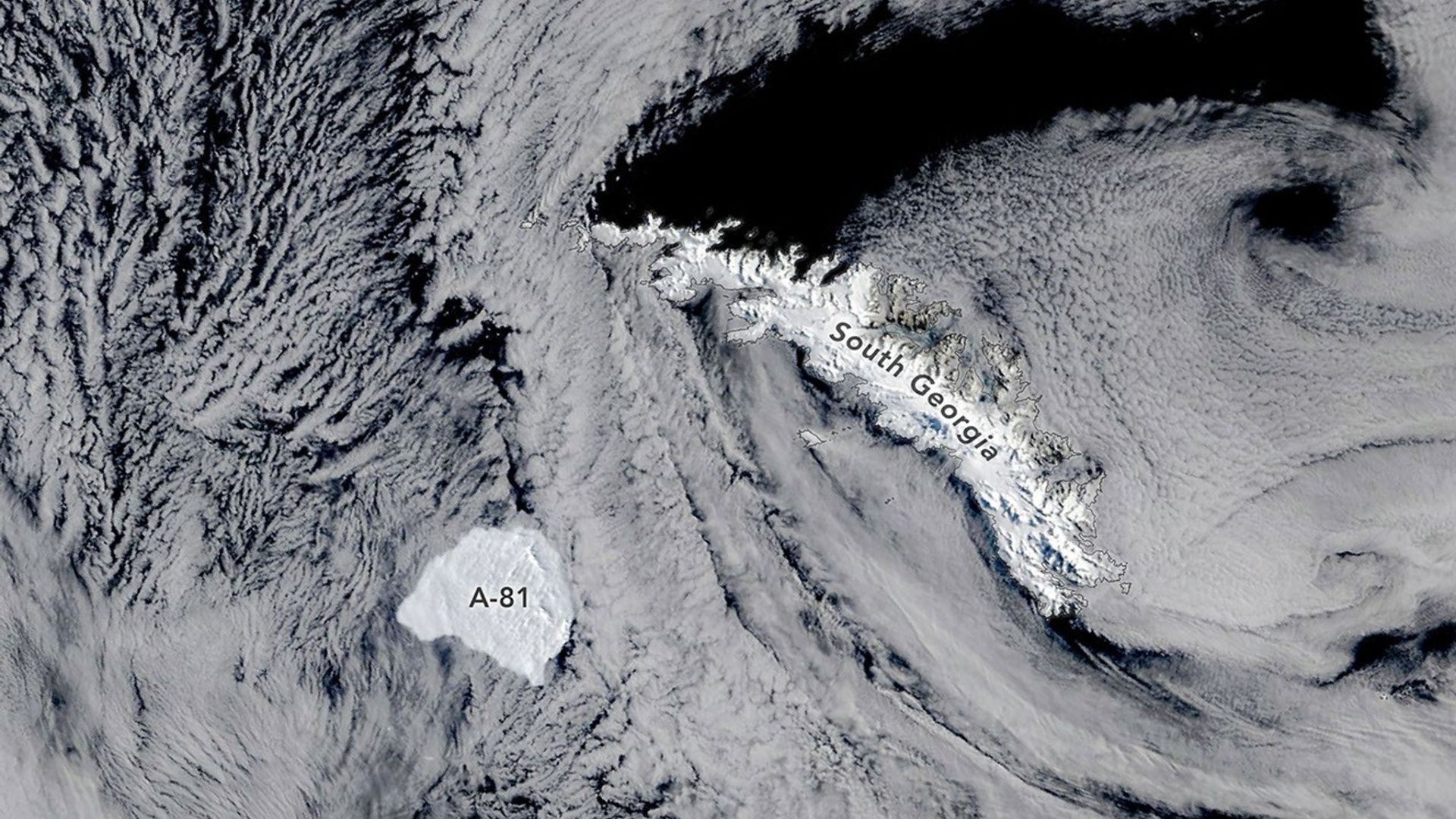
Satellites watch an escaping Antarctic iceberg | Space photo of the day for Oct. 28, 2026

Antarctic sea ice loss batters ocean’s freshwater engine

NSF backs choice of new Antarctic contractor despite concerns by government watchdog and researchers

Display chemicals accumulate in Arctic, Antarctic, and Qinghai-Xizang Plateau soils

Display chemicals accumulate in Arctic, Antarctic, and Qinghai-Xizang Plateau soils

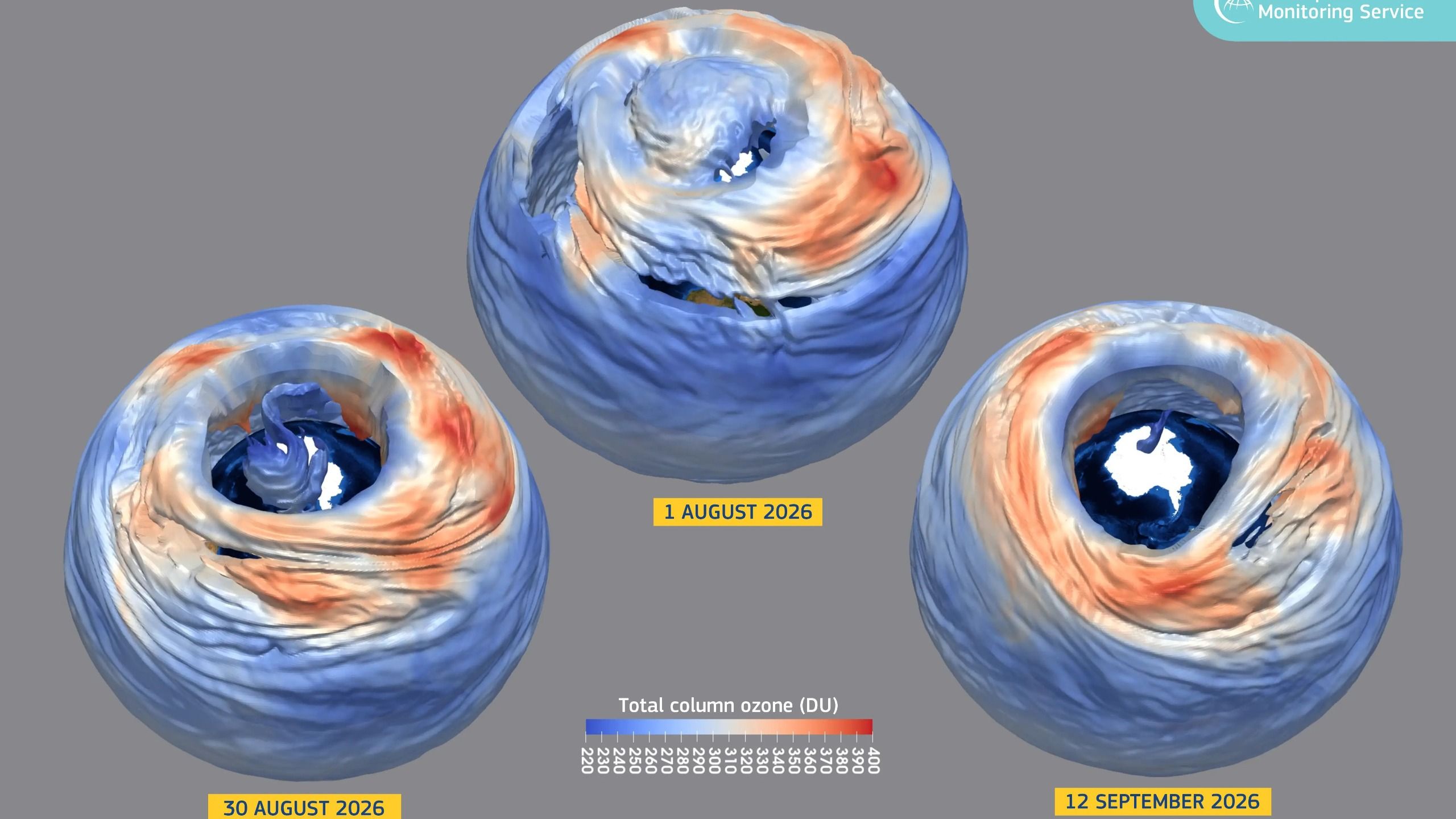
The ozone layer was supposed to be healing. So why is this year's Antarctic ozone hole so big?

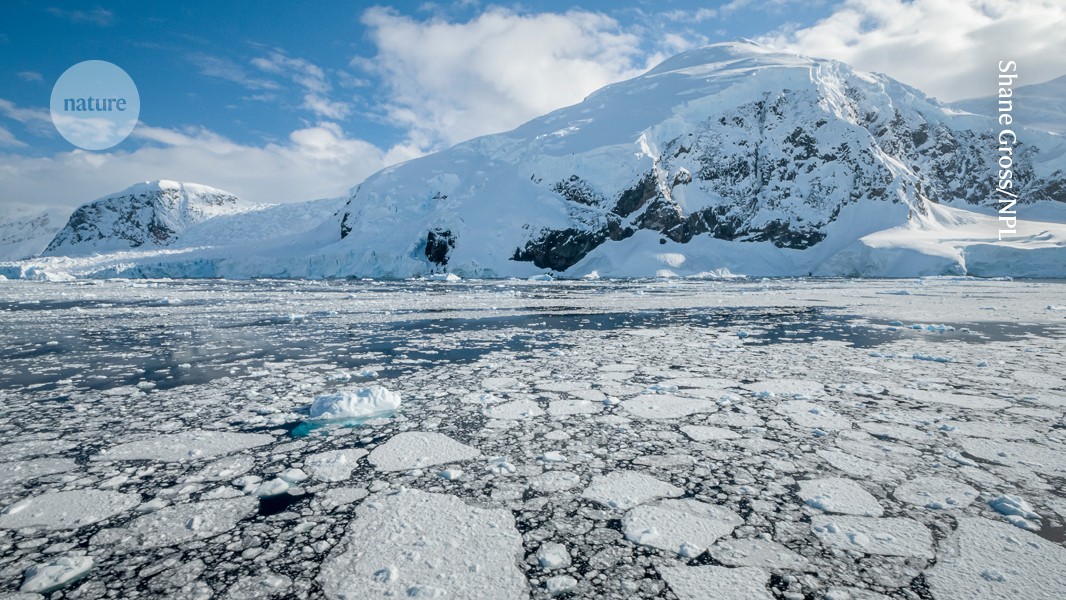
Unprecedented hole opened up in Antarctic winter sea ice

Today's emissions choices could limit Antarctic ice loss and sea-level rise for coastal communities

How cutting emissions may limit Antarctic ice loss and protect coastlines

The Antarctic’s only two flowering plants reveal opposing strategies for surviving long-term warming

Buried Antarctic ‘supermountains’ tied to the explosion of complex life (Tiny ancient rocks suggest Gondwana built a colossal mountain range about 600 million years ago — a lost landscape now buried under Antarctic ice that helped set the stage for all modern complex life.)

Ice loss in the Antarctic: Numerous blind spots

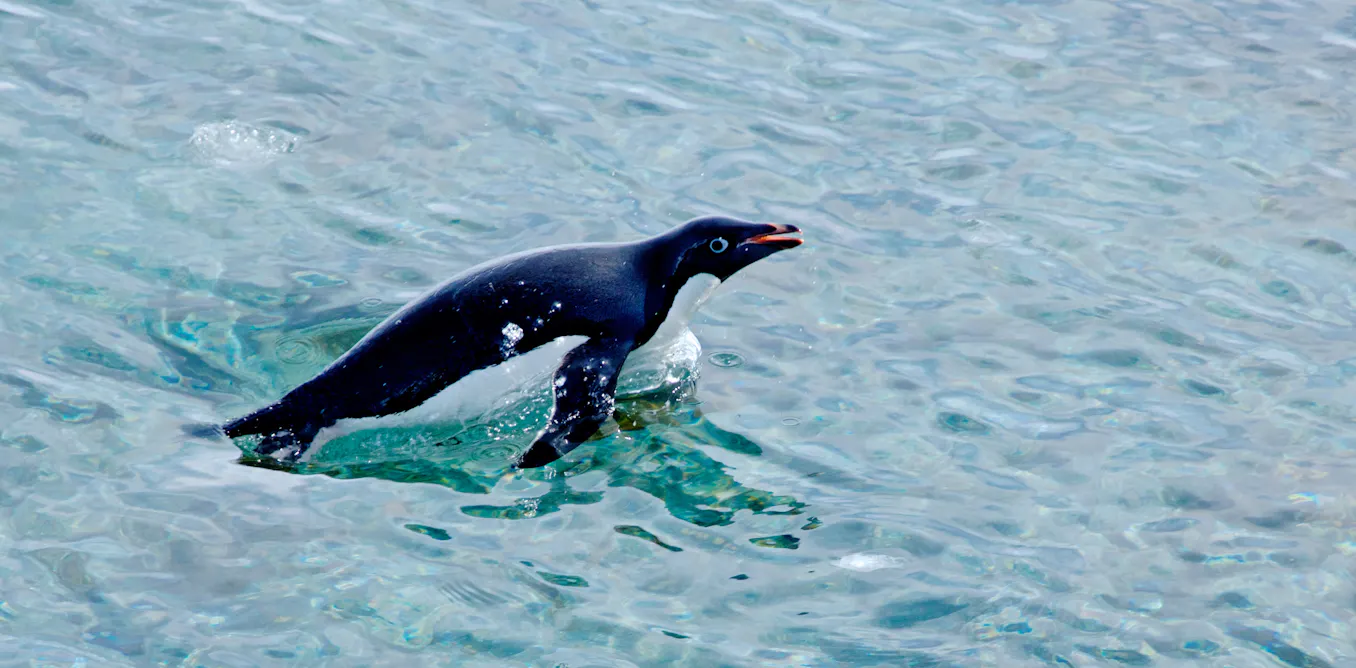
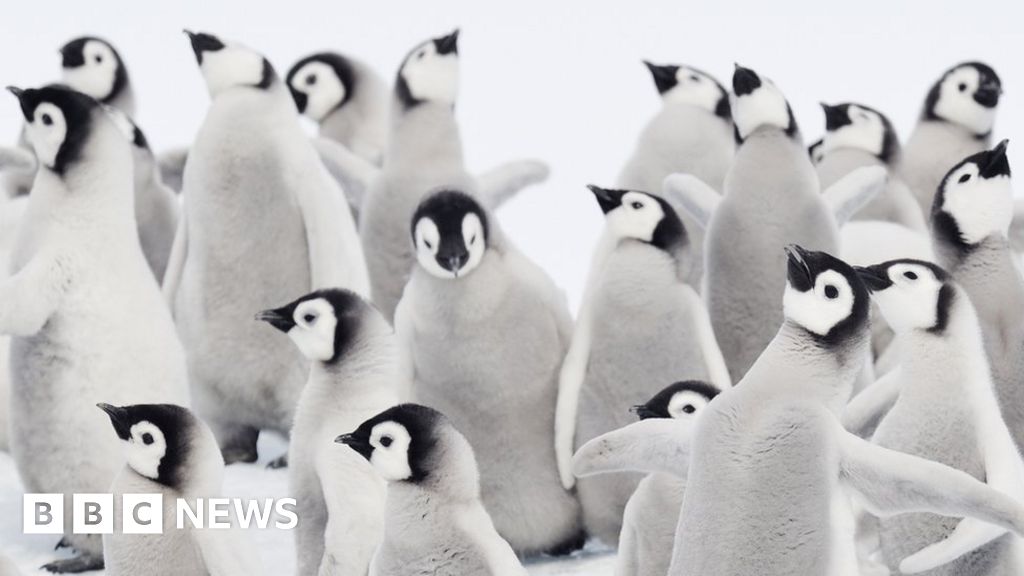
Satellite images show how penguins’ diets are changing in response to Antarctic climate change

Less UV light may mean less carbon storage in Antarctic tundra

New scientific review identifies Antarctic coastal blind spots limiting sea level projections